
RedKalion
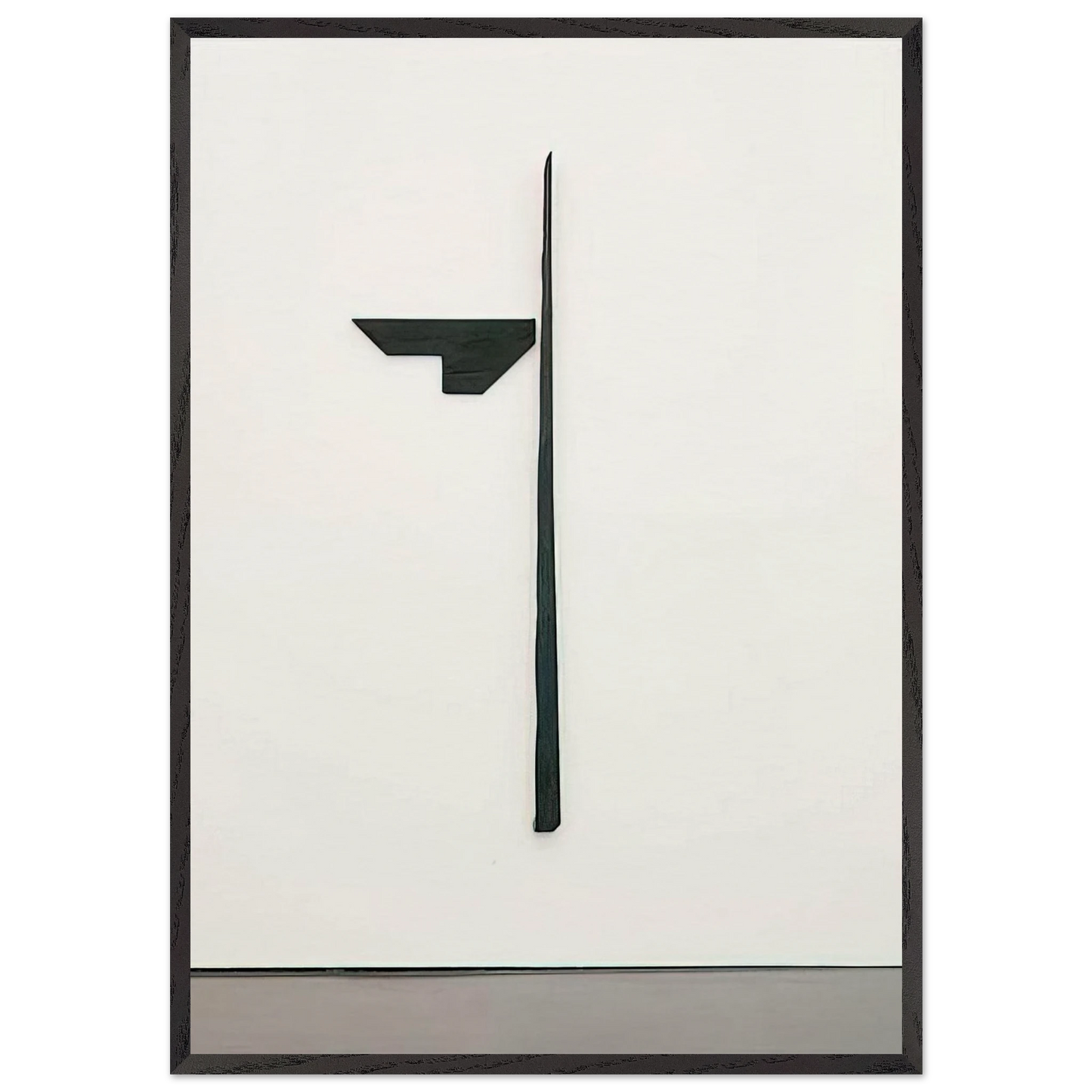
Butterfly II - 1969 - Blinky Palermo 70x100 cm / 28x40 inches Framed Art Print – Black Wooden Frame
Butterfly II - 1969 - Blinky Palermo 70x100 cm / 28x40 inches Framed Art Print – Black Wooden Frame
Couldn't load pickup availability
Blinky Palermo’s Butterfly II (1969): A Masterpiece of Minimalist Abstraction
Experience the profound simplicity of Blinky Palermo’s Butterfly II (1969), a definitive work from one of the most influential figures in German post-war art. This museum-quality reproduction captures the delicate balance and spatial tension that defined Palermo’s short but prolific career. As a protégé of Joseph Beuys, Palermo sought to transcend the canvas, turning color and form into architectural experiences. Our fine art print allows you to bring this sophisticated dialogue between geometry and emotion into your own space.
Archival Excellence and Sustainable Craftsmanship
At RedKalion, we believe that world-class art deserves world-class materials. This Butterfly II framed art print is meticulously rendered on 250 gsm (110 lb) natural white museum-quality paper. This heavy-duty, archival paper features a matte, uncoated finish that eliminates glare and preserves the subtle nuances of Palermo’s palette for generations. To ensure the highest level of environmental responsibility, we use FSC-certified materials, providing an ethical choice for the conscious collector.
Premium Framing for the Modern Interior
Your artwork arrives ready to elevate your walls. It is housed in a robust 20mm (0.79") thick black wooden frame, crafted from responsibly sourced oak and ash. Unlike standard 14mm frames, our premium profile offers a substantial, gallery-grade presence. The print is protected by shatterproof plexiglass, offering crystal-clear visibility while ensuring your masterpiece remains safe and pristine. With the included hanging kit, this 70x100 cm statement piece is ready-to-hang the moment it arrives.
- Artist: Blinky Palermo (1943–1977)
- Paper: 250 gsm archival, acid-free museum paper
- Frame: Sustainably sourced black wood (20mm profile)
- Protection: Shatterproof, high-clarity plexiglass
- Sustainability: FSC-certified wood and paper
Discover Unlimited Art Possibilities
At RedKalion, you can find virtually any artwork from any artist, available in a wide range of sizes to perfectly match your space.
If you didn’t find what you’re looking for, contact us at support@redkalion.com . We will source any artwork and produce it in any size and format you need, including art prints, posters, canvas, framed pieces, framed canvas, and more.
For dedicated art enthusiasts, we also offer handcrafted replicas of any artwork, carefully painted by highly skilled artists using traditional techniques.
For custom requests, contact us at support@redkalion.com .
What makes the paper used for this Blinky Palermo print museum-quality?
We use 250 gsm (110 lb) natural white paper with a matte, uncoated finish. This archival-grade paper is acid-free and designed to prevent yellowing, ensuring the Butterfly II print maintains its original vibrance for decades.
How is the frame for the 70x100 cm print constructed?
The frame is made from responsibly sourced oak and ash wood, featuring a 20mm profile for a premium look. It includes shatterproof plexiglass and arrives ready-to-hang with a professional hanging kit included.
Is the packaging secure for large-format fine art prints?
Yes, RedKalion utilizes heavy-duty, protective packaging designed specifically for framed art. We ensure your Blinky Palermo reproduction arrives in perfect condition, protected against impacts and environmental factors during transit.
What is the historical significance of Butterfly II (1969)?
Created during the height of German Minimalism, Butterfly II reflects Palermo’s interest in spatial relationships and the "Stoffbilder" (fabric painting) tradition. It explores how simple geometric forms can alter the perception of a room's architecture.
Who was Blinky Palermo in the context of modern art history?
Blinky Palermo was a prominent German abstract artist and student of Joseph Beuys. He is celebrated for his minimalist compositions and his ability to infuse geometric abstraction with a poetic, almost spiritual quality.
How does the shatterproof plexiglass compare to standard glass?
Our shatterproof plexiglass is lighter, more durable, and safer than standard glass while providing equivalent clarity. It offers superior protection for your fine art print against accidental damage without compromising the visual experience.
Are the materials used in this framed print sustainable?
Absolutely. We use FSC-certified wood for our frames and paper, ensuring that your artwork supports responsible forest management and meets the highest environmental and social standards.