
RedKalion
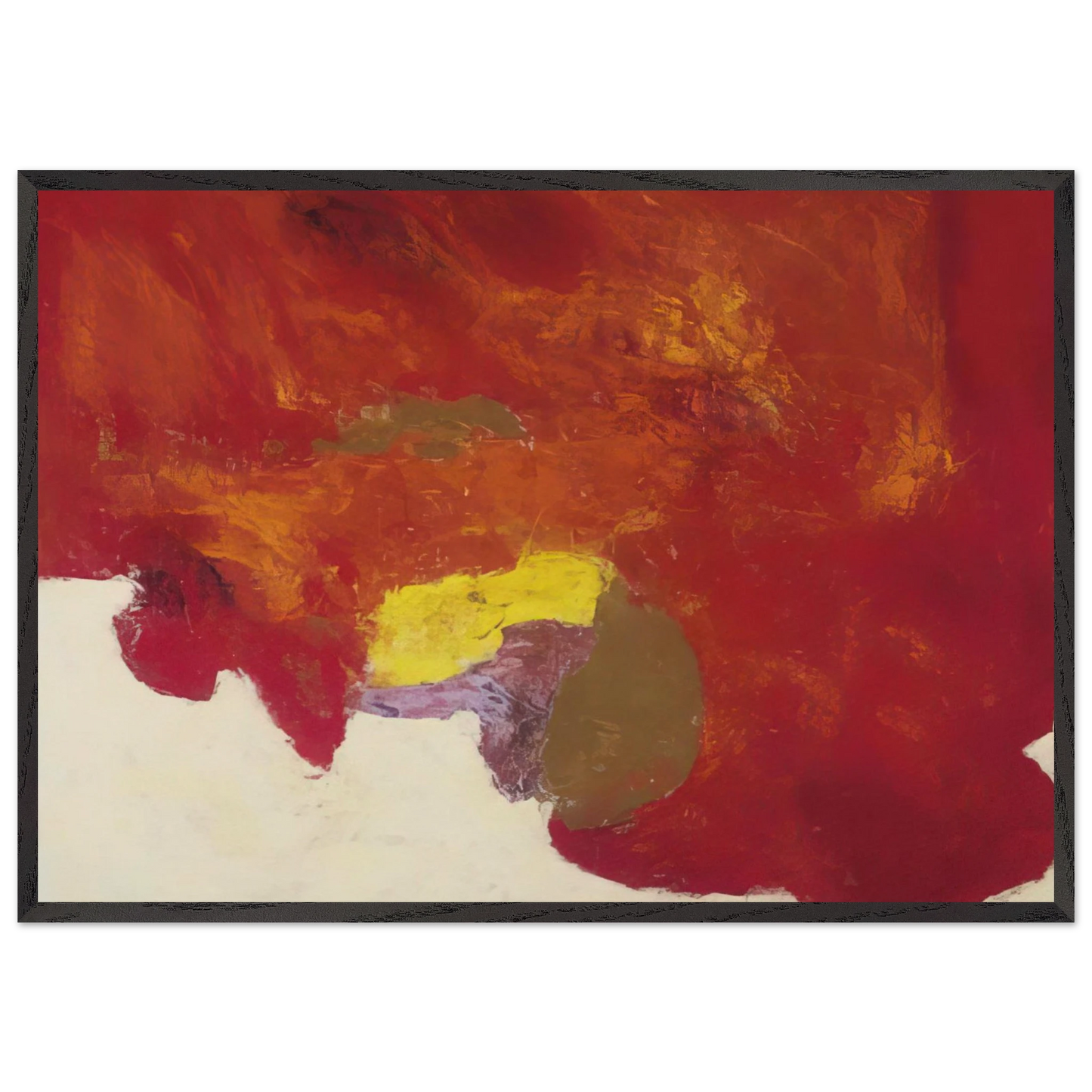
Byzantium III - 1958 - Theodoros Stamos 70x100 cm / 28x40 inches Framed Art Print – Black Wooden Frame
Byzantium III - 1958 - Theodoros Stamos 70x100 cm / 28x40 inches Framed Art Print – Black Wooden Frame
Couldn't load pickup availability
The Ethereal Radiance of Byzantium III (1958) by Theodoros Stamos
In Byzantium III, Theodoros Stamos captures the intersection of ancient mysticism and mid-century Modernism. As a pivotal member of the first generation of Abstract Expressionists—famously known as the 'Irascibles'—Stamos utilized the Byzantium series to explore his Greek heritage through the lens of atmospheric color field painting. This 1958 masterpiece serves as a profound meditation on light, space, and memory, moving away from the biomorphic forms of his early career toward the expansive, luminous planes that defined his mature style.
Museum-Grade Presentation for the Discerning Collector
RedKalion is proud to offer this museum-quality reproduction of Stamos’s work, meticulously crafted to preserve the subtle tonal shifts and textural depth of the original 1958 canvas. This fine art print is rendered on 250 gsm (110 lb) natural white, archival-grade paper. Unlike standard prints, our paper is uncoated and matte, ensuring that the viewer engages directly with the color field without the distraction of glare. This archival foundation guarantees that the ethereal hues of Byzantium III remain vibrant for generations.
Superior Framing and Sustainability
Each framed art print is housed in a premium 20mm (0.79") thick frame, crafted from responsibly sourced oak and ash wood. This wider profile offers a more substantial, gallery-ready presence than common 14mm frames. To ensure your masterpiece arrives in pristine condition, it is protected by shatterproof, transparent plexiglass. Every element, from the FSC-certified paper to the sustainably harvested wood, reflects RedKalion’s commitment to environmental stewardship and artisanal excellence.
- Archival Quality: 250 gsm museum-grade paper for lifelong durability.
- Premium Framing: Solid black wooden frame (20mm) for a sophisticated finish.
- Ready-to-Hang: Includes a professional hanging kit for immediate installation.
- Shatterproof Protection: High-grade plexiglass preserves the print during transit and display.
Discover Unlimited Art Possibilities
At RedKalion, you can find virtually any artwork from any artist, available in a wide range of sizes to perfectly match your space.
If you didn’t find what you’re looking for, contact us at support@redkalion.com . We will source any artwork and produce it in any size and format you need, including art prints, posters, canvas, framed pieces, framed canvas, and more.
For dedicated art enthusiasts, we also offer handcrafted replicas of any artwork, carefully painted by highly skilled artists using traditional techniques.
For custom requests, contact us at support@redkalion.com .
What defines the quality of this Theodoros Stamos fine art print?
We use 250 gsm (110 lb) archival, museum-quality paper with a matte, uncoated finish. This ensures a glare-free experience and premium tactile feel, preserving the integrity of Stamos's subtle color fields for decades without fading.
How is the frame for Byzantium III constructed?
Our frames are crafted from responsibly sourced oak and ash wood. Measuring 20mm (0.79") in width and thickness, they provide a more robust and premium aesthetic than standard 14mm frames, perfectly complementing the large 70x100 cm format.
Is the artwork protected against damage during shipping?
Yes. Each framed print is protected by shatterproof plexiglass and packaged securely. The use of high-quality plexiglass ensures the artwork remains safe during transit while providing crystal-clear visibility once hung in your space.
How does RedKalion support environmental sustainability?
We prioritize the planet by using FSC-certified materials or equivalent sustainable alternatives for our paper and wooden frames, ensuring that your fine art purchase supports responsible forestry practices.
Is the framed art print ready to hang upon arrival?
Absolutely. Every framed print arrives with a pre-installed hanging kit, allowing you to elevate your interior design the moment the package is opened without needing additional hardware.
What inspired Theodoros Stamos to create the Byzantium series?
Stamos was deeply influenced by his Greek roots and the spiritual tradition of Byzantine icons. The series reflects his desire to capture 'inner light' and mystical atmosphere through abstract, luminous color fields.
Why is the year 1958 significant for this specific artwork?
1958 marks a critical transition for Stamos as he moved toward larger, more simplified shapes. Byzantium III represents the height of his exploration into atmospheric abstraction, bridging the gap between nature-inspired forms and pure color fields.