

RedKalion
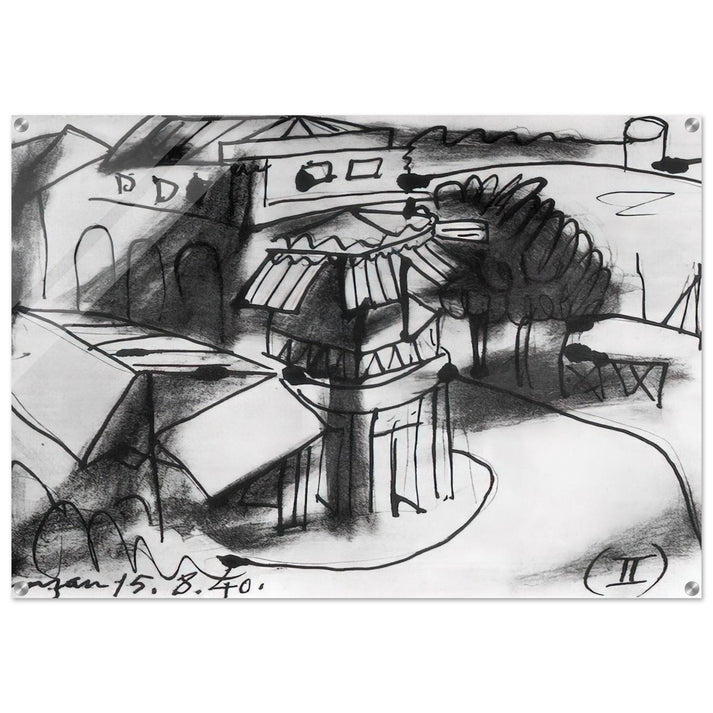
Café in Royan - 1940 - Pablo Picasso Acrylic Print - 70x100 cm / 28x40″ inches | Pablo Picasso Wall Art | Pablo Picasso Prints
Café in Royan - 1940 - Pablo Picasso Acrylic Print - 70x100 cm / 28x40″ inches | Pablo Picasso Wall Art | Pablo Picasso Prints
Couldn't load pickup availability
The Essence of a Wartime Masterpiece: Picasso’s Café in Royan (1940)
Elevate your space with a museum-quality reproduction of Pablo Picasso's Café in Royan (1940). This archival-grade acrylic print captures a pivotal moment in art history, created during the artist's residence in the seaside town of Royan during the early stages of World War II. At RedKalion, we curate works that define eras, and this piece represents Picasso's transition into deeper, more unsettling distortions that mirrored the psychological climate of the time.
Art Historical Significance and Technique
In 1940, despite the encroaching German occupation, Picasso remained in France, finding refuge in Royan. This particular piece displays the hallmark characteristics of his later Cubist evolution—bold architectural lines, a vibrant yet tension-filled palette, and a sophisticated deconstruction of space. By choosing this Pablo Picasso wall art, you are not merely purchasing a print; you are acquiring a testament to creative resilience and the enduring power of high-modernism.
Premium Acrylic Craftsmanship
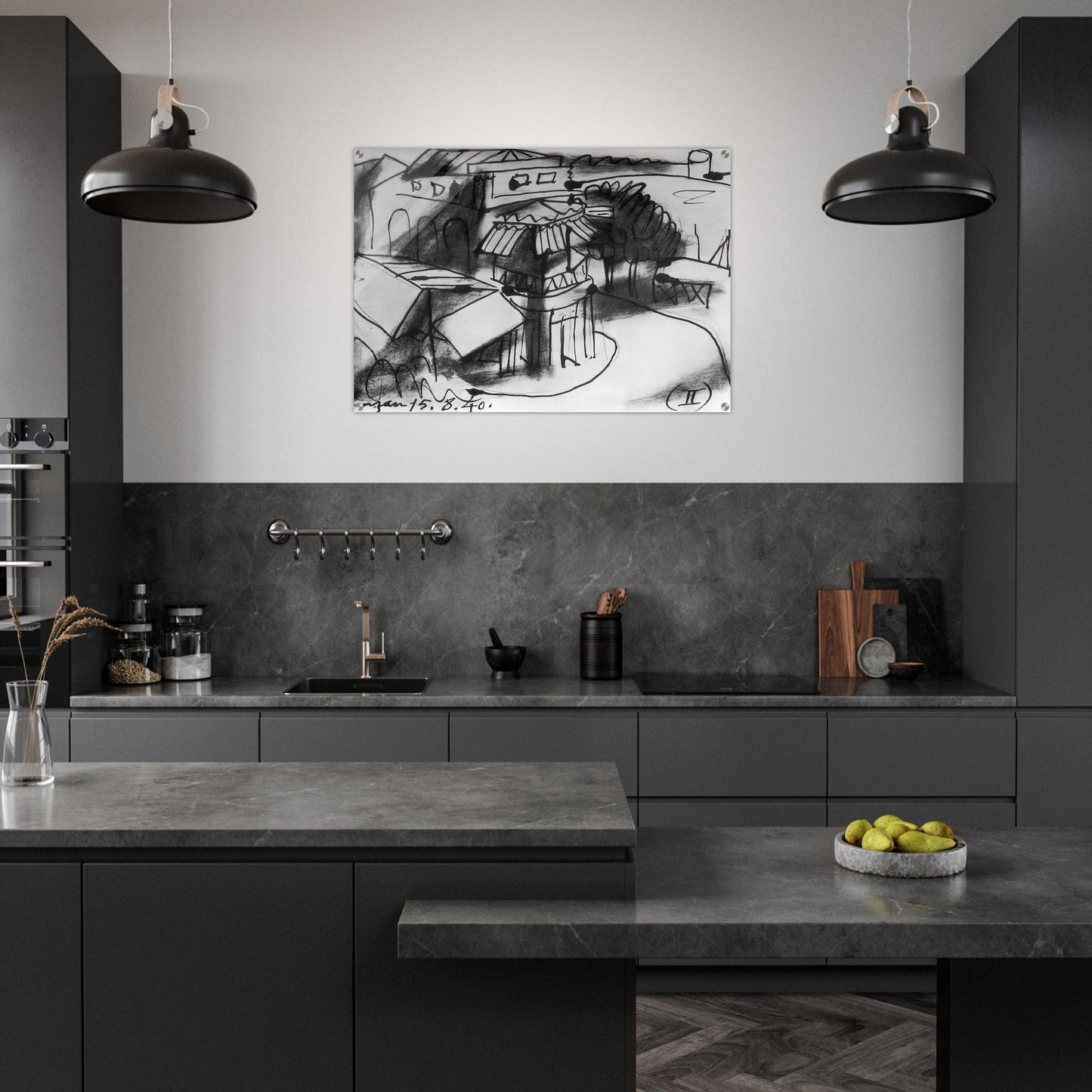
RedKalion brings this masterpiece to life using a 4mm (0.15") acrylic finish, offering a depth and clarity that traditional framing cannot match. The 70x100 cm (28x40") format provides a commanding presence, while the sleek, straight-cut corners offer a contemporary aesthetic suitable for modern interiors. Our printing process ensures that every brushstroke and subtle hue is rendered with archival precision.
Installation and Durability
To ensure your investment is displayed with the elegance it deserves, each print includes a premium hanging kit. The acrylic is pre-drilled with 8mm (0.31") diameter holes at each corner, positioned 14mm (0.55") from the edge. With 15mm (0.6") screw heads, the installation remains secure and flush, transforming any room into a private gallery. This fine art print is designed for longevity, providing a vibrant, durable, and fade-resistant focal point for generations to come.


Discover Unlimited Art Possibilities
At RedKalion, you can find virtually any artwork from any artist, available in a wide range of sizes to perfectly match your space.
If you didn’t find what you’re looking for, contact us at support@redkalion.com . We will source any artwork and produce it in any size and format you need, including art prints, posters, canvas, framed pieces, framed canvas, and more.
For dedicated art enthusiasts, we also offer handcrafted replicas of any artwork, carefully painted by highly skilled artists using traditional techniques.
For custom requests, contact us at support@redkalion.com .
What materials are used for the Café in Royan print?
This masterpiece is rendered on 4mm (0.15") high-grade acrylic, providing a vibrant, sleek finish that enhances color depth and durability for a museum-quality appearance.
How do I hang this Pablo Picasso acrylic wall art?
Each print includes a professional hanging kit with screws. Pre-drilled 8mm holes are located at each corner for a secure and balanced installation.
Is the print protected against fading or damage?
Yes, RedKalion uses archival-grade materials and UV-resistant acrylic to ensure the longevity of your Pablo Picasso prints, protecting them from fading and environmental wear.
What are the specific dimensions for the installation hardware?
The holes are 14mm from the edges with an 8mm diameter. The included screw heads are 15mm, providing a modern, industrial-chic mounting aesthetic.
How is the shipping handled for this large-format print?
We use specialized, high-security packaging for our 70x100 cm prints. Each piece is insured and shipped via premium couriers to ensure pristine arrival.
What is the historical context of Picasso's Royan period?
Picasso painted Café in Royan while seeking refuge during the 1940 Nazi invasion. The work reflects the period's underlying tension through distorted architectural perspectives.
Why does the perspective in Café in Royan look distorted?
Picasso utilized late-stage Cubist techniques to evoke a sense of displacement and psychological unease, characteristic of his artistic response to the turbulence of WWII.