RedKalion
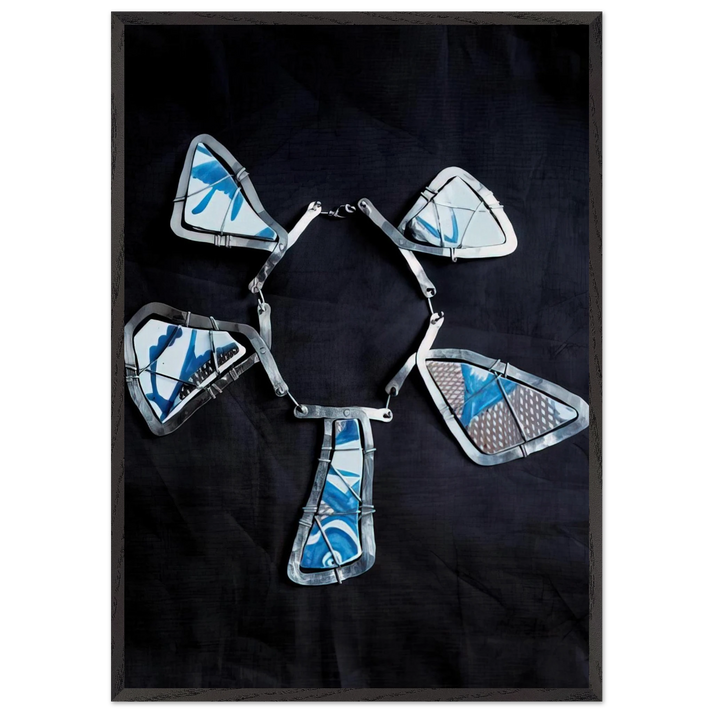
CAGED CROCKERY 1945 - Alexander Calder 70x100 cm / 28x40 inches Framed Art Print – Black Wooden Frame
CAGED CROCKERY 1945 - Alexander Calder 70x100 cm / 28x40 inches Framed Art Print – Black Wooden Frame
Couldn't load pickup availability
Alexander Calder: The Spatial Poetry of Caged Crockery 1945
Immerse your interior in the whimsical yet profound world of Alexander Calder with this museum-quality reproduction of Caged Crockery 1945. While Calder is globally celebrated for pioneering kinetic art with his revolutionary mobiles, his graphic works from the mid-1940s reveal a master technician experimenting with the tension between domesticity and abstraction. Caged Crockery serves as a captivating example of Calder's ability to transform everyday forms into a rhythmic dance of line and color, reflecting the Surrealist influences that permeated his work during the post-war era.
At RedKalion, we curate our prints to meet the exacting standards of the world’s most prestigious galleries. This fine art print is meticulously rendered on 250 gsm (110 lb) archival museum-quality paper. The natural white, matte, and uncoated finish ensures that the depth of Calder’s primary palette and the precision of his linework remain vibrant and true to the original 1945 vision, free from distracting glares.
Archival Excellence and Sustainable Craftsmanship
This 70x100 cm (28x40 inches) masterpiece is housed in a premium black wooden frame, expertly crafted from responsibly sourced oak and ash. To provide a superior presence on your wall, we utilize a 20mm (0.79") frame profile, offering a more robust and sophisticated aesthetic than standard 14mm frames. Each piece is protected by shatterproof plexiglass, ensuring that your investment remains preserved for generations while maintaining an eco-conscious footprint through the use of FSC-certified materials.
- Artist: Alexander Calder
- Title: Caged Crockery (1945)
- Paper: 250 gsm museum-quality, natural white, matte finish.
- Frame: Sustainably sourced black oak/ash, 20mm profile.
- Durability: Archival-grade, shatterproof plexiglass, ready-to-hang.
Elevate your collection with a RedKalion archival reproduction—a sophisticated blend of historical significance and contemporary quality that brings the genius of Alexander Calder into the modern home.

Discover Unlimited Art Possibilities
At RedKalion, you can find virtually any artwork from any artist, available in a wide range of sizes to perfectly match your space.
If you didn’t find what you’re looking for, contact us at support@redkalion.com . We will source any artwork and produce it in any size and format you need, including art prints, posters, canvas, framed pieces, framed canvas, and more.
For dedicated art enthusiasts, we also offer handcrafted replicas of any artwork, carefully painted by highly skilled artists using traditional techniques.
For custom requests, contact us at support@redkalion.com .
What defines the quality of this Alexander Calder fine art print?
RedKalion utilizes 250 gsm archival-grade museum paper with a natural white, matte finish. This ensures your Alexander Calder reproduction maintains its color integrity and detail without glare, mimicking the texture of an original gallery piece.
Is the frame included with the Caged Crockery 1945 print?
Yes, this print arrives in a premium 20mm thick black frame made from FSC-certified oak or ash wood. It includes a pre-installed hanging kit, ensuring the artwork is ready to hang upon arrival.
How does RedKalion ensure the longevity of this reproduction?
We use archival-quality, acid-free paper and UV-resistant inks combined with shatterproof plexiglass protection. These museum-standard materials prevent yellowing and fading, ensuring the artwork remains a legacy piece in your collection.
What are the specific dimensions of the frame provided?
The frame features a professional 20mm (0.79") width and depth profile. This provides a more substantial, high-end gallery aesthetic compared to the thinner 14mm frames commonly found in mass-market retail.
Is the packaging secure for international shipping?
Absolutely. Every framed print is carefully wrapped in protective materials and shipped in rigid, reinforced packaging to ensure it arrives at your door in pristine condition, regardless of its destination.
What is the significance of the Caged Crockery (1945) title?
Produced in 1945, this work reflects Calder's interest in "trapped" geometry. It explores the tension between organic domestic shapes and the rigid structural lines of the "cage," a recurring theme in his mid-century Surrealist-inspired graphics.
How does Calder's graphic work relate to his kinetic sculptures?
Calder’s prints utilize the same biomorphic language as his mobiles. The shapes in Caged Crockery imply a sense of balance and weightlessness, translating his physical experiments with motion and space into a two-dimensional visual rhythm.