

RedKalion
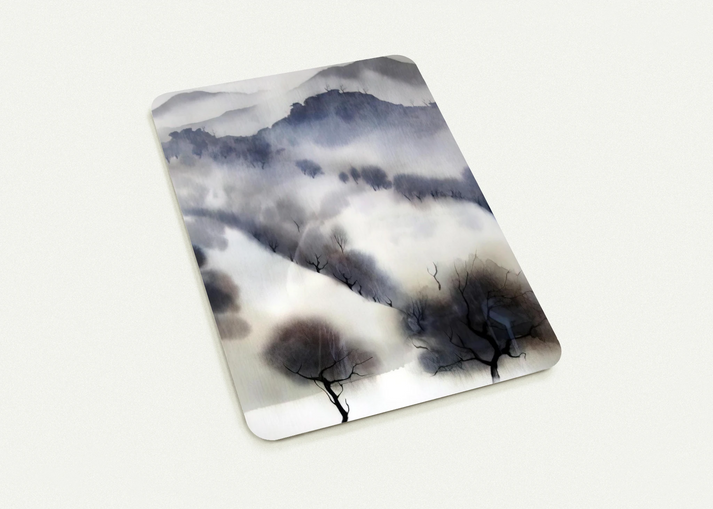
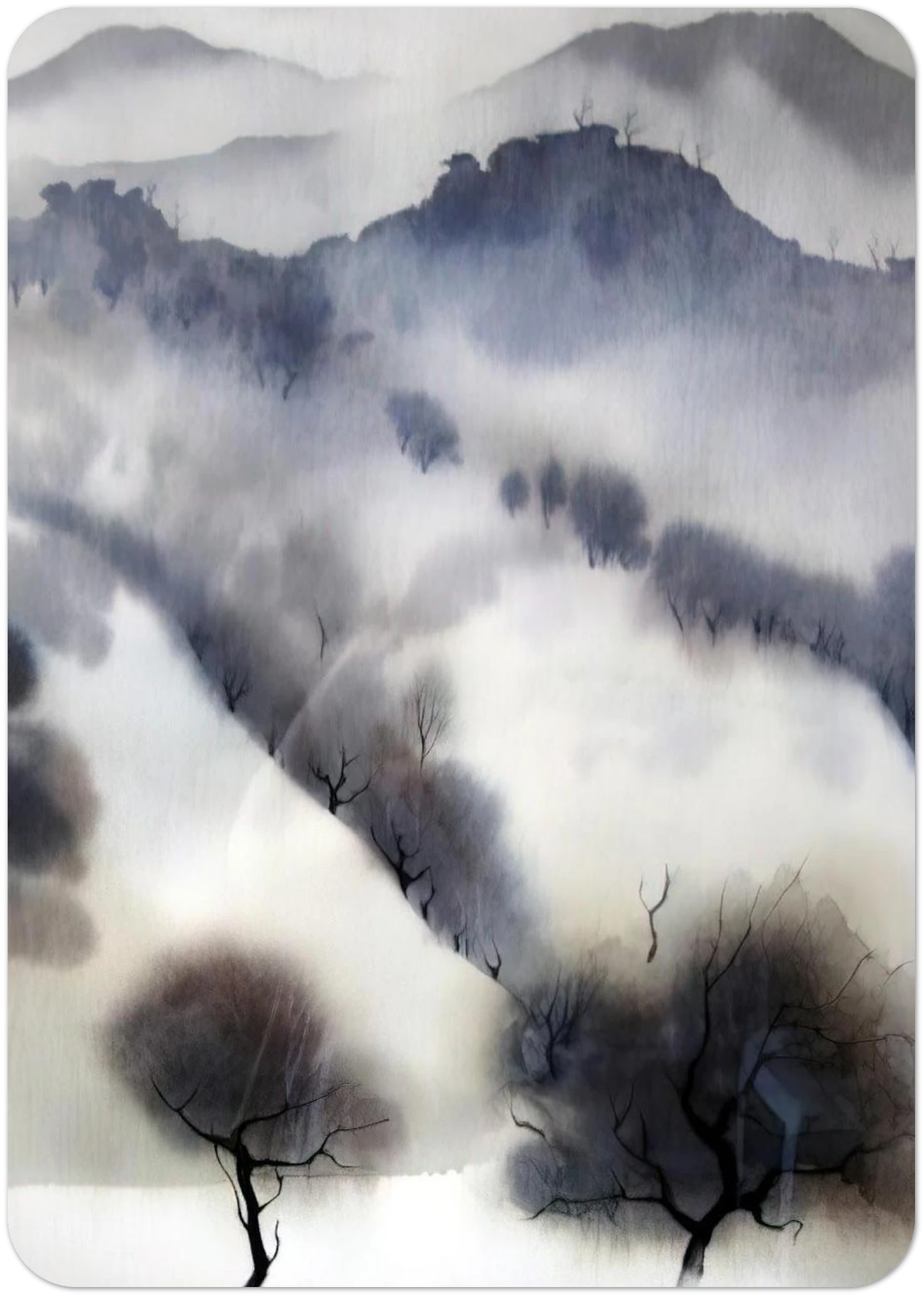
California landscape By Eyvind Earle Pack of 10 Post Cards | Eyvind Earle Post Cards | A6 (10.5 x 14.8 cm) - 4.1 x 5.8 inches
California landscape By Eyvind Earle Pack of 10 Post Cards | Eyvind Earle Post Cards | A6 (10.5 x 14.8 cm) - 4.1 x 5.8 inches
Couldn't load pickup availability
Experience the Mid-Century Magic of Eyvind Earle’s California Landscape
Immerse yourself in the stylized, atmospheric beauty of the West Coast with this exclusive set of California Landscape by Eyvind Earle postcards. Renowned for his work as a background painter for Disney’s Sleeping Beauty, Earle’s signature aesthetic—characterized by simplified forms, dramatic shadows, and rolling hills—is captured here in stunning detail. Each card serves as a miniature window into Earle’s unique vision of nature, where the rugged California topography is transformed into a harmonious arrangement of geometry and light.
Museum-Quality Reproductions for the Discerning Collector
At RedKalion, we bridge the gap between historical masterpiece and modern decor. These are not standard stationery items; they are archival-grade reproductions. Utilizing advanced 12-color fine art printing technology, we achieve a depth of color and vibrancy that traditional 4-color offset printing simply cannot replicate. The rich greens and earthy tones of the California coast are rendered with precision, ensuring each piece in this 10-pack set is a work of art in its own right.
Premium Materials and Sustainable Craftsmanship
To honor the legacy of Eyvind Earle, we utilize only the finest materials. Each postcard is printed on 200 gsm (80 lb) FSC-certified paper, offering a substantial 0.26 mm thickness that feels luxurious to the touch. The smooth matte finish eliminates glare, allowing the intricate silhouettes of the oak trees and the subtle gradients of the sky to take center stage. Whether used for heartfelt correspondence or displayed as a curated gallery wall, these postcards reflect a commitment to both aesthetic excellence and environmental responsibility.
- Pack Content: 10 premium flat postcards.
- Finish: Non-reflective, archival matte.
- Paper Weight: Professional 200 gsm for durability and tactile quality.
- Eco-Conscious: Sustainably sourced, FSC-certified materials.
- Printing: Industry-leading 12-color wide-gamut technology.


Discover Unlimited Art Possibilities
At RedKalion, you can find virtually any artwork from any artist, available in a wide range of sizes to perfectly match your space.
If you didn’t find what you’re looking for, contact us at support@redkalion.com . We will source any artwork and produce it in any size and format you need, including art prints, posters, canvas, framed pieces, framed canvas, and more.
For dedicated art enthusiasts, we also offer handcrafted replicas of any artwork, carefully painted by highly skilled artists using traditional techniques.
For custom requests, contact us at support@redkalion.com .
What makes RedKalion’s Eyvind Earle post cards museum-quality?
Our postcards utilize 12-color fine art printing on 200 gsm FSC-certified paper. This technology captures the nuanced gradients and sharp silhouettes of Eyvind Earle’s work with greater accuracy and depth than standard commercial printing methods.
What paper is used for these fine art post cards?
We use premium 200 gsm (80 lb) paper with a thickness of 0.26 mm. The paper features a smooth matte finish, ensuring a glare-free view of the artwork and a sophisticated, archival feel.
How does 12-color printing differ from standard printing?
Standard printing uses four colors (CMYK), which can limit color range. Our 12-color process uses a wider gamut of pigments, resulting in more vivid colors, smoother transitions, and professional-grade color accuracy.
Are these post cards environmentally friendly?
Yes. We are committed to sustainability. All our postcards are printed on FSC-certified paper, ensuring the materials are sourced from responsibly managed forests that provide environmental, social, and economic benefits.
How are the post cards shipped to ensure they arrive safely?
Each pack of 10 postcards is securely packaged in protective materials to prevent bending or moisture damage during transit, ensuring they arrive at your door in pristine, gallery-ready condition.
What characterizes Eyvind Earle's unique landscape style?
Earle is known for his 'stylized realism,' featuring crisp edges, intricate patterns in nature, and a dramatic use of light and shadow that gives the California landscape a dreamlike, mid-century modern aesthetic.
Is the California landscape depicted in these cards a real location?
While inspired by the Central Coast and Santa Ynez Valley, Earle’s landscapes are often idealized compositions that emphasize the spiritual and geometric essence of the terrain rather than a literal photographic representation.