

RedKalion
Campari - 1965 - Bruno Munari Brushed Aluminum Print - 70x100 cm / 28x40 inches | Bruno Munari Aluminum Print | Bruno Munari Prints
Campari - 1965 - Bruno Munari Brushed Aluminum Print - 70x100 cm / 28x40 inches | Bruno Munari Aluminum Print | Bruno Munari Prints
Couldn't load pickup availability
The Kinetic Pulse of Italian Modernism: Bruno Munari’s Campari (1965)
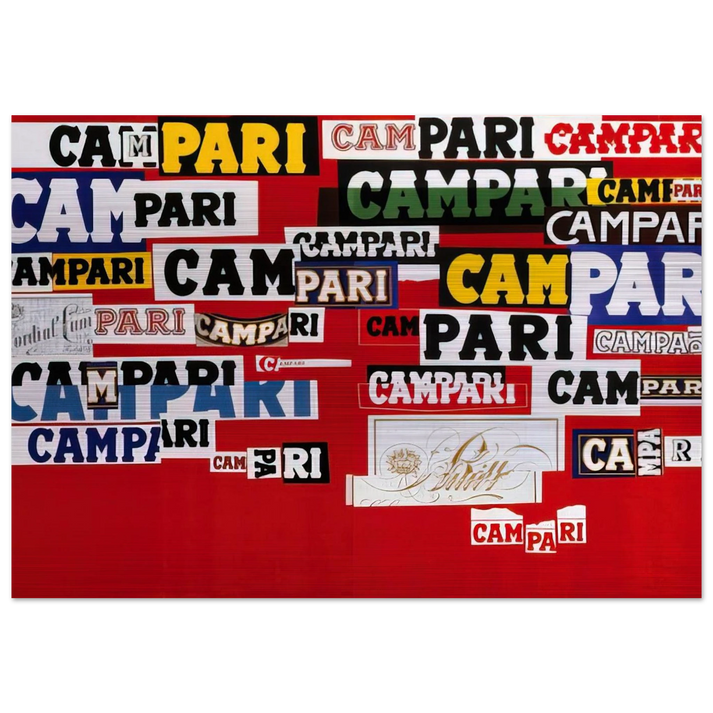
Originally conceived for the inauguration of the Milan Metro Line 1, Bruno Munari's 1965 Campari advertisement represents a pinnacle of graphic design history. This piece, a cornerstone of the Campari legacy, transcends traditional advertising through its 'deconstructed' approach to typography. By fragmenting and overlapping the iconic brand name, Munari captured the frenetic energy and speed of subterranean transit, ensuring the message was legible even from a moving train.
Exquisite Reproduction on Brushed Aluminum DIBOND®
RedKalion presents this masterpiece on premium Brushed Silver Aluminum DIBOND®, a medium that perfectly complements Munari’s industrial and modern aesthetic. The 3mm (0.12") rigid base features a horizontal grain, lending a dynamic, shimmering quality to the composition. Our direct printing process ensures vivid colors and a refined matte finish, where unprinted white sections reveal the raw, metallic silver effect of the aluminum—a detail that adds depth and a contemporary edge to your collection.
Museum-Quality Craftsmanship
- Precision Engineering: A 3mm thick, durable aluminum base for a sleek, slim profile.
- Dynamic Finish: The brushed silver finish creates a metallic glow that interacts with ambient light.
- Artistic Fidelity: Museum-quality reproduction utilizing advanced direct-to-substrate printing techniques.
- Installation Ready: Each print includes a professional hanging kit tailored to your location for effortless display.
Elevate your interior with a Bruno Munari aluminum print that blends historical significance with avant-garde material science. This is not merely a reproduction; it is an enduring archival statement curated by RedKalion.


Discover Unlimited Art Possibilities
At RedKalion, you can find virtually any artwork from any artist, available in a wide range of sizes to perfectly match your space.
If you didn’t find what you’re looking for, contact us at support@redkalion.com . We will source any artwork and produce it in any size and format you need, including art prints, posters, canvas, framed pieces, framed canvas, and more.
For dedicated art enthusiasts, we also offer handcrafted replicas of any artwork, carefully painted by highly skilled artists using traditional techniques.
For custom requests, contact us at support@redkalion.com .
What material is used for the Bruno Munari Campari print?
The artwork is printed on 3mm (0.12") Brushed Silver Aluminum DIBOND®. This rigid, durable material features a horizontal grain and a metallic finish, providing a sophisticated industrial aesthetic for this museum-quality reproduction.
How does the brushed aluminum finish affect the artwork's appearance?
The brushed silver aluminum creates a dynamic, glare-free matte finish. Any white or unprinted areas of the design reveal the raw metallic silver grain, allowing the piece to interact beautifully with your room's lighting.
Is this Bruno Munari print archival-quality?
Yes. RedKalion uses archival-grade direct printing on AluDibond, ensuring high-definition color and exceptional longevity. The materials are resistant to fading, making this an ideal investment for fine art collectors.
Does the print come ready to hang?
Absolutely. Every brushed aluminum print includes a specialized hanging kit. The specific hardware varies by fulfillment country to ensure a secure and aesthetically pleasing installation right out of the box.
How is the artwork packaged for shipping?
We prioritize the safety of your fine art. Each aluminum print is securely packaged in protective materials and heavy-duty shipping containers to prevent any bending or surface scratches during transit.
What is the significance of Munari's 1965 Campari design?
Commissioned for the Milan Metro, Munari's design utilized 'deconstructed' typography. It was intended to be readable at high speeds, making it a revolutionary study in kinetic visual communication and Italian pop art.
Why was this specific typography used for the Campari poster?
Munari aimed to simulate the experience of a passenger on a moving train. By layering different sizes and weights of the Campari logo, he created a sense of visual momentum and modern movement.