
RedKalion
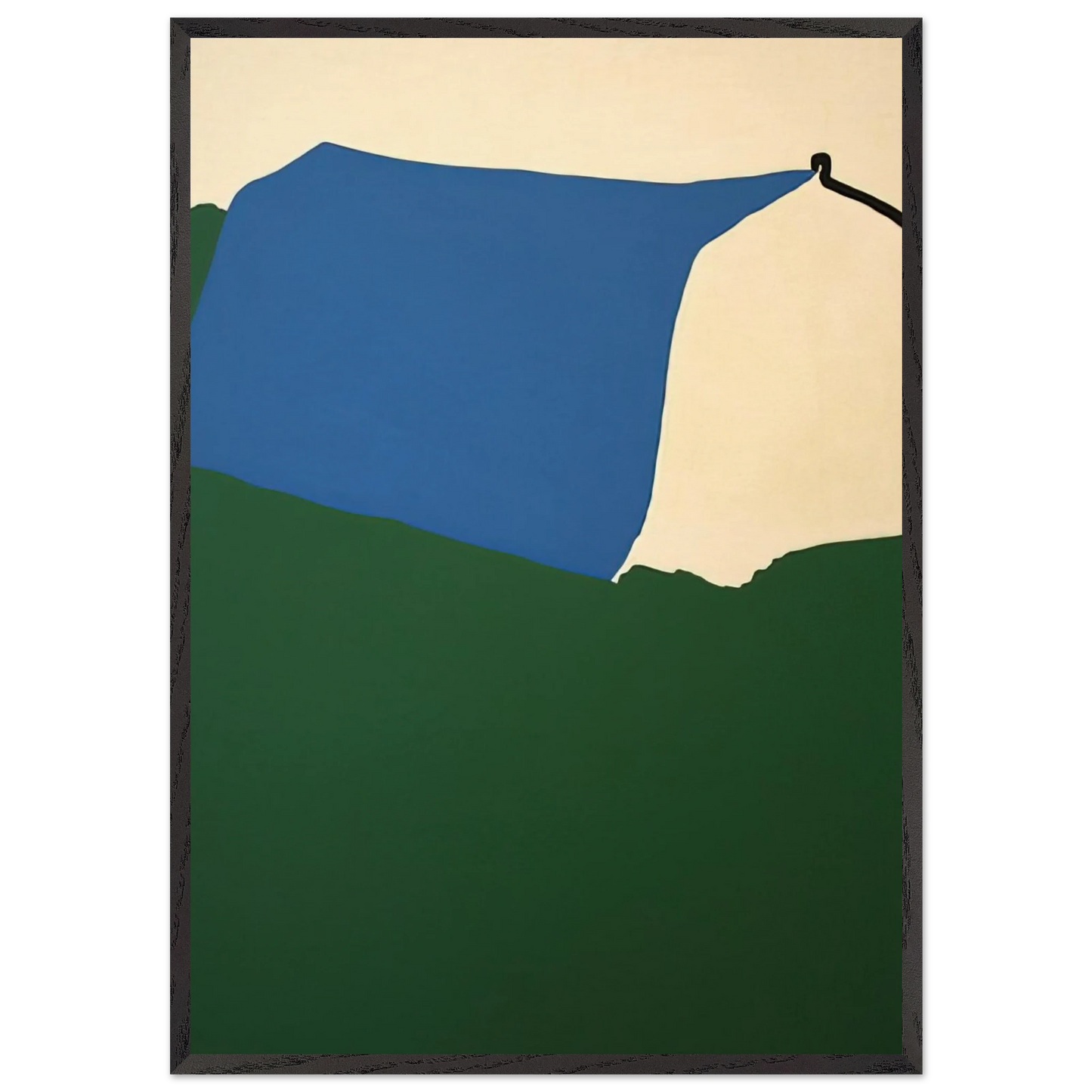
Camping II - 1970 N1 - Ralston Crawford 70x100 cm / 28x40 inches Framed Art Print – Black Wooden Frame
Camping II - 1970 N1 - Ralston Crawford 70x100 cm / 28x40 inches Framed Art Print – Black Wooden Frame
Couldn't load pickup availability
A Masterpiece of Geometric Abstraction: "Camping II - 1970 N1" by Ralston Crawford
Experience the architectural precision and rhythmic dynamism of Ralston Crawford with this museum-quality reproduction of "Camping II - 1970 N1". As a central figure in the Precisionist movement, Crawford’s later works transitioned into a sophisticated form of hard-edged abstraction. This 1970 composition showcases his mastery of line and spatial relationships, capturing an industrial or structural essence through a refined, minimalist lens. It is an essential acquisition for collectors who appreciate the intersection of modernism and geometric clarity.
Archival Excellence by RedKalion
At RedKalion, we curate more than just images; we provide a tangible connection to art history. This fine art print is meticulously rendered on 250 gsm (110 lb) natural white paper. The archival, museum-quality paper features a matte, uncoated finish that eliminates glare, allowing the subtle shifts in Crawford's palette to emerge with startling clarity. With a thickness of 0.29 mm (11.4 mils), this heavy-duty paper ensures that your investment remains a centerpiece for generations.
Premium Framing and Sustainable Craftsmanship
Each print is encased in a premium black wooden frame, crafted from responsibly sourced oak and ash. Unlike standard gallery frames, our frames are 20mm (0.79") thick and wide, providing a substantial, luxurious profile that anchors the artwork on your wall. To ensure the safety of your masterpiece, we utilize shattherproof plexiglass, which offers crystal-clear visibility while protecting the pigments from environmental damage.
- Ready-to-Hang: Includes a pre-installed hanging kit for effortless installation.
- Sustainable Materials: Produced using FSC-certified paper and ethically sourced timber.
- Archival Longevity: Designed to resist yellowing and degradation over time.
- Dimensions: This statement piece measures 70x100 cm (28x40 inches).
Elevate your interior with an archival masterpiece that endures. RedKalion is dedicated to delivering gallery-standard aesthetics directly to your space, ensuring that every detail of Crawford's vision is preserved with absolute fidelity.
Discover Unlimited Art Possibilities
At RedKalion, you can find virtually any artwork from any artist, available in a wide range of sizes to perfectly match your space.
If you didn’t find what you’re looking for, contact us at support@redkalion.com . We will source any artwork and produce it in any size and format you need, including art prints, posters, canvas, framed pieces, framed canvas, and more.
For dedicated art enthusiasts, we also offer handcrafted replicas of any artwork, carefully painted by highly skilled artists using traditional techniques.
For custom requests, contact us at support@redkalion.com .
What defines the paper quality of this Ralston Crawford print?
This print utilizes 250 gsm (110 lb) archival museum-quality paper. It is natural white, uncoated, and matte, ensuring a non-reflective finish that highlights the intricate details and colors of the artwork while preventing yellowing over time.
Is the frame included and what are its specifications?
Yes, the print comes in a 20mm (0.79") thick and wide black frame made from responsibly sourced oak and ash. It is wider than standard frames, providing a premium, gallery-style aesthetic and includes a hanging kit.
How is the artwork protected during shipping and display?
We use shatterproof, transparent plexiglass to protect the print from damage and dust. Each framed art print is securely packaged to ensure it arrives at your door in pristine, ready-to-hang condition.
What are the exact dimensions of this fine art print?
This specific edition of "Camping II - 1970 N1" measures 70x100 cm, which is approximately 28x40 inches. This large format is ideal for creating a sophisticated focal point in modern living or office spaces.
Is this product produced using sustainable materials?
Yes, at RedKalion we prioritize sustainability. The paper and wooden frames are FSC-certified or equivalent, ensuring that your art print supports responsible forest management and environmental protection.
What is the significance of "Camping II - 1970 N1" in Crawford's career?
This 1970 work represents Crawford’s late-career evolution, where he distilled his earlier Precisionist observations of industrial landscapes into pure, hard-edged geometric abstraction, focusing on the tension and harmony between flat shapes.
How does Ralston Crawford's technique influence this composition?
Crawford utilized a technique of simplifying complex structures into essential geometric forms. His focus on spatial rhythm and clean, sharp edges creates a sense of monumental scale and clarity even in abstract subjects.