

RedKalion
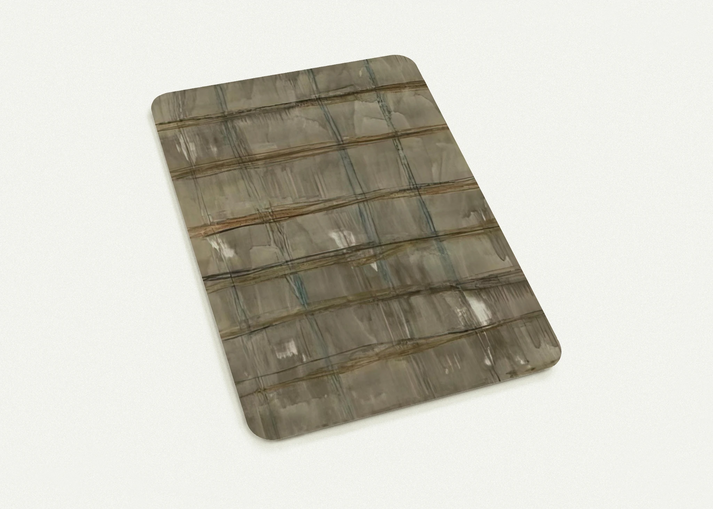
Campo 2 - 1990 By Gunther Forg Pack of 10 Post Cards | Gunther Forg Post Cards | A6 (10.5 x 14.8 cm) - 4.1 x 5.8 inches
Campo 2 - 1990 By Gunther Forg Pack of 10 Post Cards | Gunther Forg Post Cards | A6 (10.5 x 14.8 cm) - 4.1 x 5.8 inches
Couldn't load pickup availability
The Minimalist Resonance of Günther Förg's Campo 2 - 1990
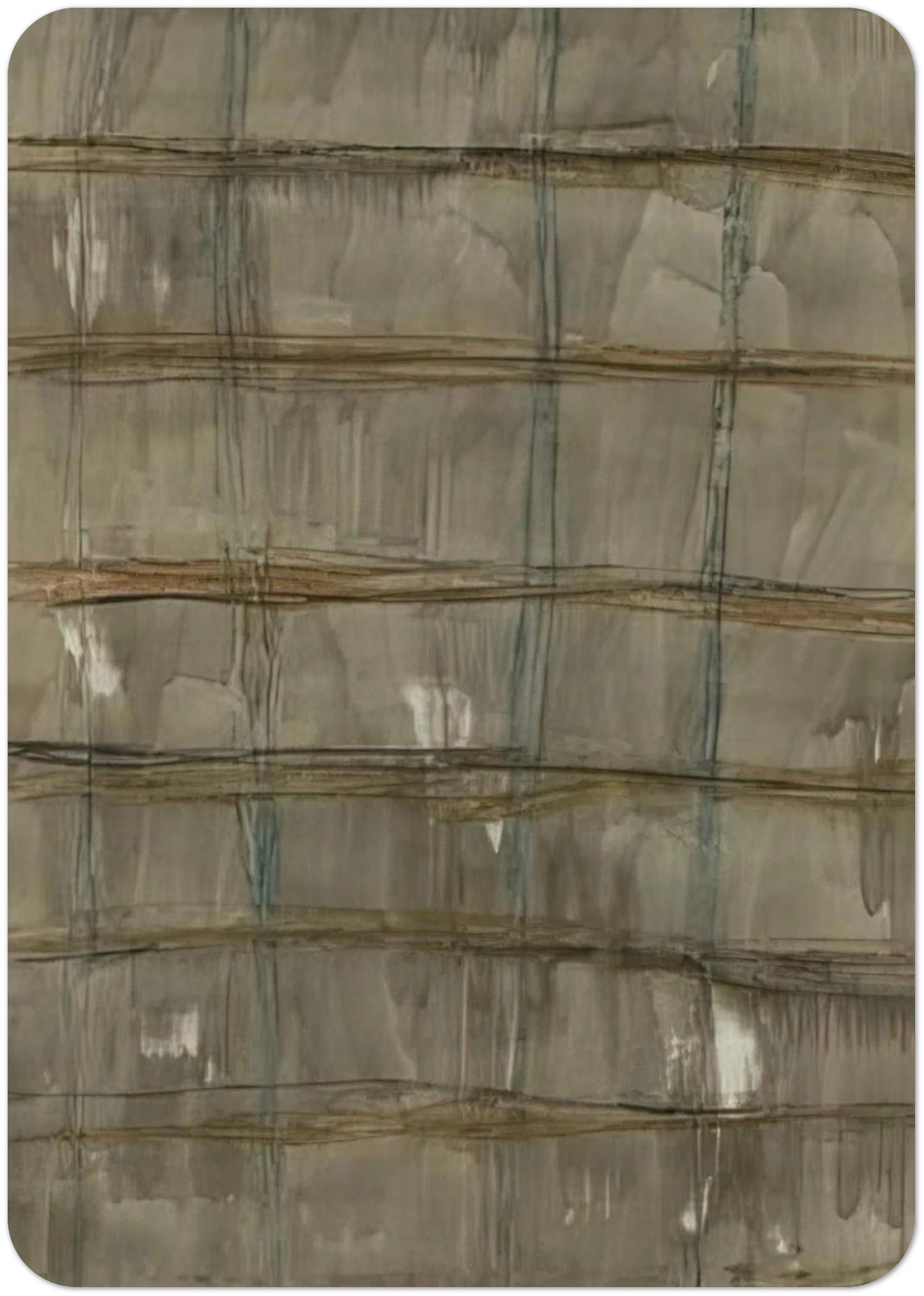
Elevate your personal correspondence or home gallery with this curated set of ten Günther Förg fine art postcards. Featuring the seminal work Campo 2 - 1990, these reproductions capture the essence of a master who bridged the gap between modernist architecture and expressive abstraction. Förg’s practice was defined by a rhythmic use of verticality and color fields, and Campo 2 serves as a definitive example of his ability to transform structural grids into emotive experiences.
As a premier purveyor of museum-quality reproductions, RedKalion utilizes advanced 12-color fine art printing technology to ensure every nuance of Förg’s palette is preserved. Unlike standard commercial printing, our process captures the subtle shifts in saturation and texture that define the 1990s era of European minimalism.
Technical Excellence and Materiality
Each postcard is more than a simple note; it is a tactile piece of art designed to endure. Our commitment to archival integrity is reflected in the premium specifications of this collection:
- Color Depth: Our proprietary 12-color ink system delivers vivid, accurate tones with stunning depth, far surpassing standard 4-color inkjet methods.
- Paper Quality: Printed on 200 gsm (80 lb) archival-grade paper with a thickness of 0.26 mm (10.3 mils).
- Finish: A smooth matte finish ensures a clean, glare-free aesthetic, allowing the architectural purity of Förg’s work to shine.
- Sustainability: In alignment with RedKalion’s values, we use FSC-certified paper, ensuring your art is as environmentally conscious as it is beautiful.
Whether sent to a fellow connoisseur or framed as a series of miniature masterpieces, these postcards represent the pinnacle of modern art reproduction, offering a sophisticated way to share the legacy of Günther Förg.


Discover Unlimited Art Possibilities
At RedKalion, you can find virtually any artwork from any artist, available in a wide range of sizes to perfectly match your space.
If you didn’t find what you’re looking for, contact us at support@redkalion.com . We will source any artwork and produce it in any size and format you need, including art prints, posters, canvas, framed pieces, framed canvas, and more.
For dedicated art enthusiasts, we also offer handcrafted replicas of any artwork, carefully painted by highly skilled artists using traditional techniques.
For custom requests, contact us at support@redkalion.com .
What makes the printing quality of these postcards superior?
We utilize a 12-color fine art printing process, providing a wider color gamut and greater depth than standard 4-color prints, ensuring a museum-quality reproduction of Förg's palette.
What are the specific paper details for the Campo 2 postcards?
Each card is printed on 200 gsm (80 lb) FSC-certified paper with a 0.26 mm thickness and a smooth matte finish for a premium, glare-free feel.
Are these postcards suitable for framing as fine art prints?
Yes. Due to the high-density archival inks and heavy-weight paper, these A6 postcards function beautifully as small-scale museum-quality prints for minimalist home decor.
How does RedKalion handle production and sustainability?
Our postcards are printed on demand using environmentally conscious, FSC-certified materials, reducing waste while maintaining the highest standards of archival longevity.
What is the shipping protocol for these fine art card packs?
Each pack of 10 is printed on demand with no minimum order requirements, ensuring you receive a freshly produced set that has not sat in a warehouse.
What inspired Günther Förg’s Campo series in 1990?
Förg was deeply influenced by modernist architecture and the 'grid.' The Campo series explores the intersection of structural form and the gestural freedom of the brush.
Why is Günther Förg considered a pivotal figure in modern art?
Förg's multidisciplinary approach—combining photography, painting, and sculpture—challenged traditional boundaries, making him a central figure in German postmodernism and minimalist abstraction.