RedKalion
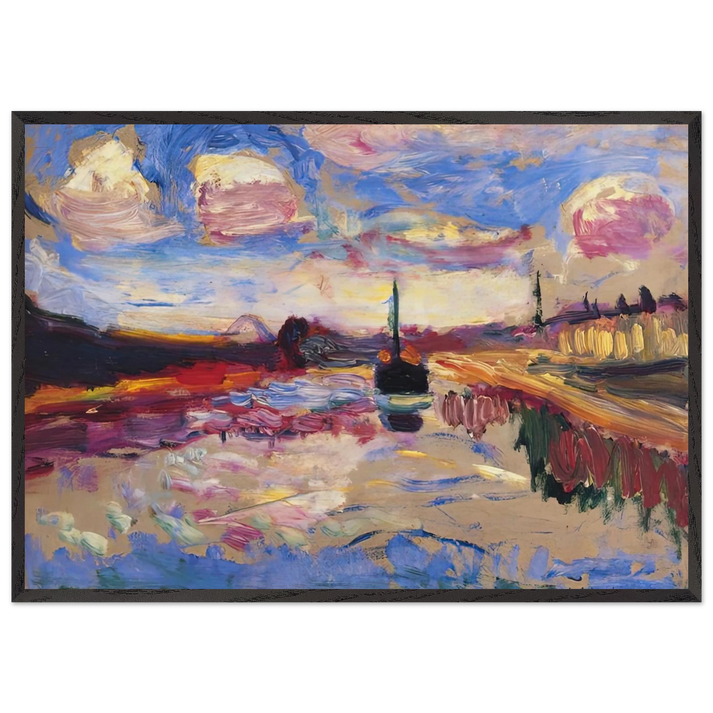
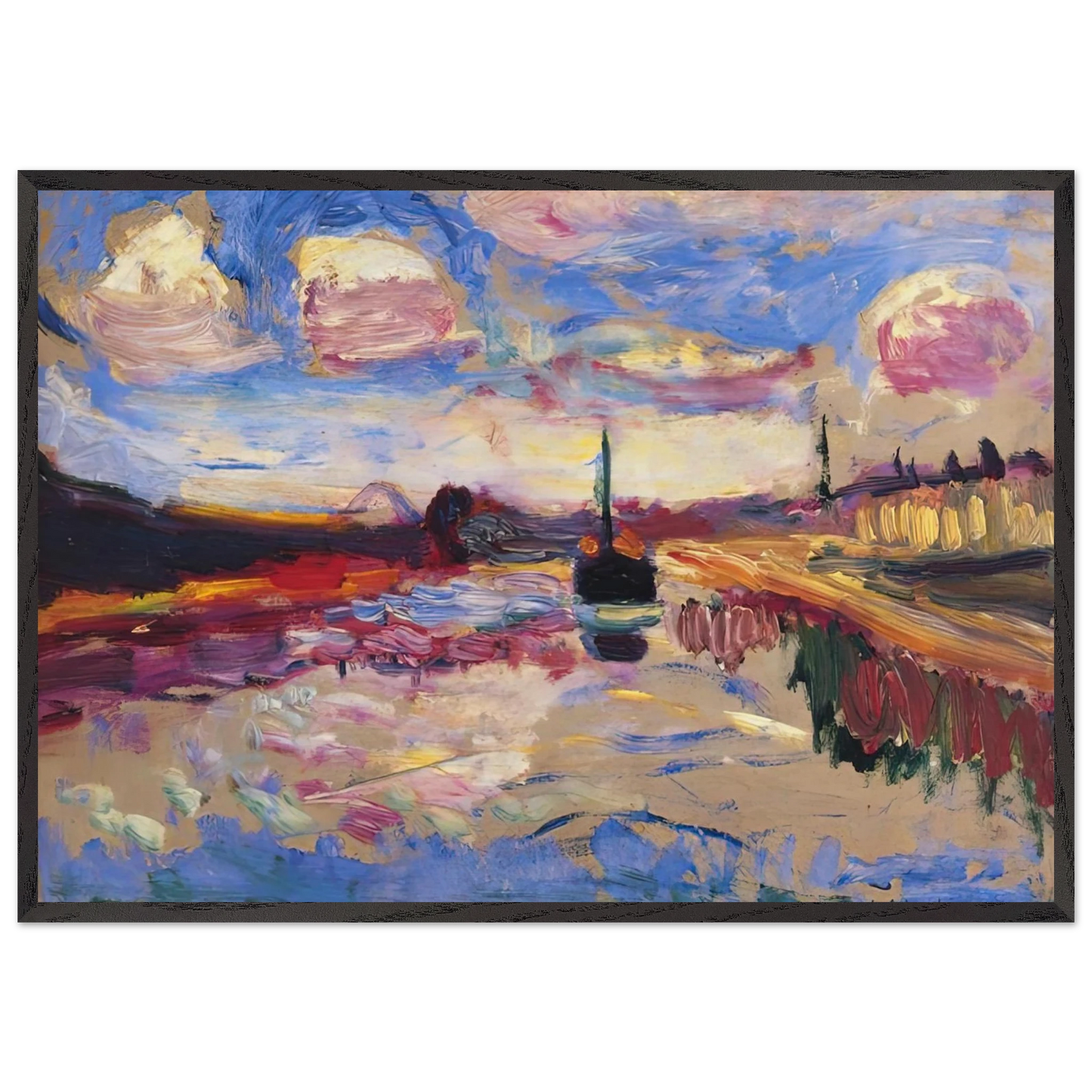
CANAL DU MIDI 1899 - Henri Matisse 70x100 cm / 28x40 inches Framed Art Print – Black Wooden Frame
CANAL DU MIDI 1899 - Henri Matisse 70x100 cm / 28x40 inches Framed Art Print – Black Wooden Frame
Couldn't load pickup availability
The Luminous Spirit of Early Fauvism: Canal du Midi (1899)
Invite the Mediterranean warmth of the South of France into your collection with Henri Matisse’s 1899 masterpiece, Canal du Midi. This work represents a crucial juncture in art history, capturing Matisse during his 'Proto-Fauve' period. Here, he begins to abandon the constraints of Impressionism in favor of bold, expressive color and rhythmic brushwork. This fine art print captures the vibrant energy and dappled light of Toulouse, offering a window into the evolution of a modern master.
At RedKalion, we believe that world-class art deserves world-class presentation. Our museum-quality reproduction of this Matisse classic is produced with meticulous attention to detail. We utilize heavy-weight, 250 gsm (110 lb) archival paper with a natural white, matte finish. This ensures that every nuanced hue and gestural stroke is rendered with absolute clarity, free from the glare of inferior gloss finishes.
Premium Craftsmanship and Sustainable Elegance
- Sustainably Sourced Wood: Each frame is crafted from high-quality, FSC-certified oak and ash, finished in a sophisticated black that complements any modern or classical interior.
- Robust Profile: Our frames feature a 20mm (0.79") depth and width, providing a more substantial and premium presence on your wall than standard 14mm gallery frames.
- Archival Protection: Your print is shielded by shatterproof, transparent plexiglass, ensuring the artwork remains protected while maintaining museum-level visibility.
- Ready-to-Hang: We include a professional hanging kit with every order, allowing you to elevate your space the moment your framed art print arrives.
By choosing RedKalion, you are investing in a piece of history. Our commitment to archival materials and artisanal framing ensures that your Henri Matisse Canal du Midi print remains a vibrant centerpiece for generations. Elevate your home with a masterpiece that reflects both your sophisticated taste and a deep appreciation for the legacy of fine art.
Discover Unlimited Art Possibilities
At RedKalion, you can find virtually any artwork from any artist, available in a wide range of sizes to perfectly match your space.
If you didn’t find what you’re looking for, contact us at support@redkalion.com . We will source any artwork and produce it in any size and format you need, including art prints, posters, canvas, framed pieces, framed canvas, and more.
For dedicated art enthusiasts, we also offer handcrafted replicas of any artwork, carefully painted by highly skilled artists using traditional techniques.
For custom requests, contact us at support@redkalion.com .
What is the quality of the paper used for this Matisse print?
We use premium 250 gsm (110 lb) museum-quality, natural white paper. It is archival, acid-free, and FSC-certified, ensuring the print retains its vibrant colors and structural integrity without yellowing for decades.
Does the frame come ready to hang?
Yes. Your Canal du Midi print arrives professionally mounted in a 20mm wood frame with a hanging kit included, allowing you to display your new artwork immediately upon delivery.
How is the artwork protected during shipping?
Every framed print is shielded by shatterproof plexiglass and secured in high-durability, protective packaging to ensure it arrives at your door in pristine, gallery-ready condition.
What makes RedKalion frames superior to standard options?
Our frames are 20mm (0.79") thick, offering a wider, more robust profile than common 14mm frames. They are crafted from responsibly sourced oak and ash for a premium, high-end feel.
Will the colors of "Canal du Midi" fade over time?
No. By utilizing archival-grade, uncoated matte paper and UV-resistant materials, our reproductions are specifically engineered to maintain their chromatic intensity and depth for a lifetime.
What period of Henri Matisse's career does "Canal du Midi" represent?
Painted in 1899, this work represents Matisse's transition toward Fauvism. It showcases his early experimentation with using vibrant, non-naturalistic color as a primary tool for emotional expression.
Where was the original "Canal du Midi" painted?
Matisse painted this scene in Toulouse, France. The piece is celebrated for how it captures the intense, golden light of the Occitanie region, a hallmark of his Southern French inspirations.