RedKalion
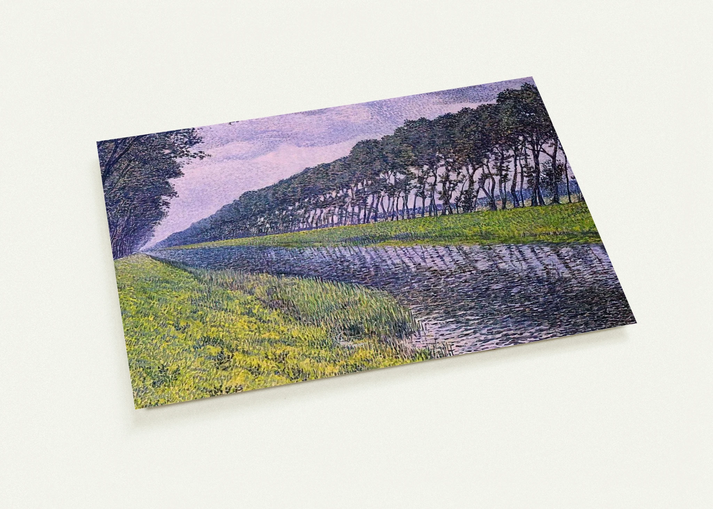
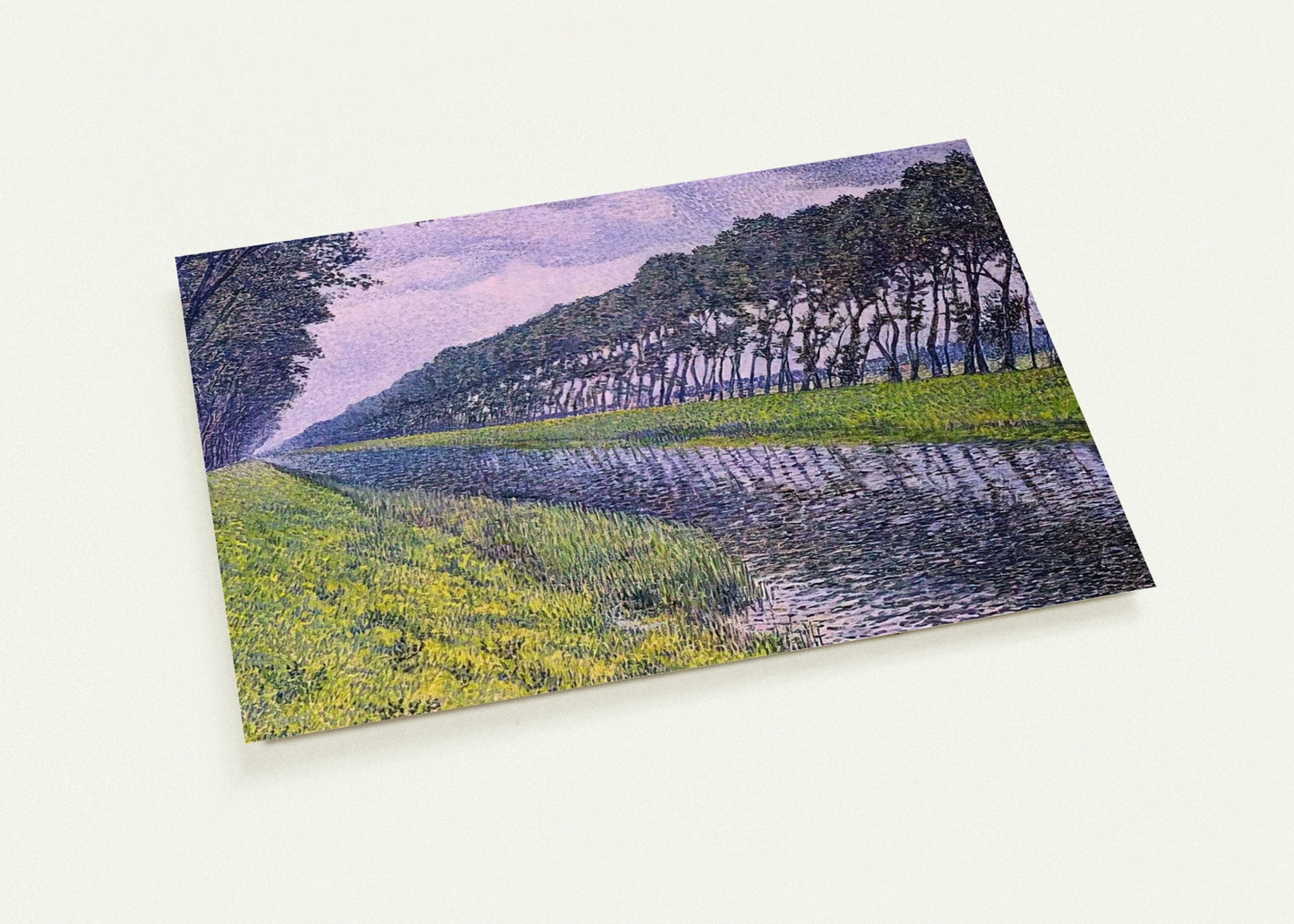
CANAL IN FLANDERS 1894 1 By Theo van Rysselberghe Pack of 10 Post Cards | Theo van Rysselberghe Post Cards | A6 (10.5 x 14.8 cm) - 4.1 x 5.8 inches
CANAL IN FLANDERS 1894 1 By Theo van Rysselberghe Pack of 10 Post Cards | Theo van Rysselberghe Post Cards | A6 (10.5 x 14.8 cm) - 4.1 x 5.8 inches
Couldn't load pickup availability
Embrace Neo-Impressionist Mastery: Theo van Rysselberghe's Canal in Flanders
Experience the serene atmosphere of 19th-century Belgium with this pack of 10 premium postcards featuring Theo van Rysselberghe's 'Canal in Flanders (1894)'. As a leading figure of the Neo-Impressionist movement, van Rysselberghe utilized the Pointillist technique to capture the luminous interplay of light and water. This particular work represents a pinnacle of his career, showcasing his ability to transform a quiet landscape into a vibrant mosaic of color and emotion.
Museum-Quality Fine Art in a Personal Format
At RedKalion, we believe that world-class art should be accessible and tactile. These museum-quality reproductions are crafted using advanced 12-color fine art printing technology. Unlike standard 4-color commercial prints, our process ensures every subtle hue and chromatic dot is preserved with stunning depth and accuracy. Whether used for personal correspondence or as a curated mini-gallery for your home, these postcards reflect the high standards of archival art preservation.
Superior Materials and Sustainable Craftsmanship
Each postcard is printed on 200 gsm (80 lb) FSC-certified paper, offering a substantial, premium feel. The smooth matte finish provides a sophisticated, glare-free display that highlights the intricate details of van Rysselberghe’s brushwork. Our commitment to sustainability means your art is produced on demand, reducing waste and ensuring that each piece meets our rigorous quality benchmarks.
- Artist: Theo van Rysselberghe (1862–1926)
- Title: Canal in Flanders, 1894
- Format: Pack of 10 flat postcards (A6)
- Paper Weight: 200 gsm (80 lb)
- Finish: Glare-free smooth matte
- Sustainability: FSC-certified environmentally conscious paper
Elevate your correspondence or decor with an archival masterpiece that endures, bringing the historic beauty of Flanders into the palm of your hand.
Discover Unlimited Art Possibilities
At RedKalion, you can find virtually any artwork from any artist, available in a wide range of sizes to perfectly match your space.
If you didn’t find what you’re looking for, contact us at support@redkalion.com . We will source any artwork and produce it in any size and format you need, including art prints, posters, canvas, framed pieces, framed canvas, and more.
For dedicated art enthusiasts, we also offer handcrafted replicas of any artwork, carefully painted by highly skilled artists using traditional techniques.
For custom requests, contact us at support@redkalion.com .
What printing technology is used for these postcards?
We utilize 12-color fine art printing technology, which offers superior color vibrancy and tonal depth compared to standard 4-color inkjet processes, ensuring a museum-quality reproduction of van Rysselberghe's work.
What is the weight and feel of the paper?
The postcards are printed on 200 gsm (80 lb) paper with a thickness of 0.26 mm. They feature a smooth matte finish, providing a clean, premium feel and a glare-free viewing experience.
How long will it take for my order to be shipped?
To ensure quality and reduce waste, these postcards are printed on demand. Orders are typically processed and shipped within 2-4 business days, with no minimum order requirements.
Are the materials used for these postcards eco-friendly?
Yes. We use FSC-certified paper, which ensures that the materials are sourced from responsibly managed forests that provide environmental, social, and economic benefits.
Will the colors fade over time?
Our archival-grade inks and FSC-certified paper are designed for longevity. When kept out of direct sunlight, these prints maintain their vibrancy for decades, making them lasting keepsakes.
What is the historical significance of 'Canal in Flanders' (1894)?
This work is a hallmark of Belgian Neo-Impressionism. Created in 1894, it highlights van Rysselberghe's transition from portraiture back to the landscape, emphasizing the tranquil, luminous beauty of the Flemish countryside.
How does Pointillism affect the visual experience of this piece?
Theo van Rysselberghe used small, distinct dots of color that the viewer's eye blends together. This technique creates a sense of shimmering light and atmosphere that traditional brushstrokes cannot replicate.