RedKalion
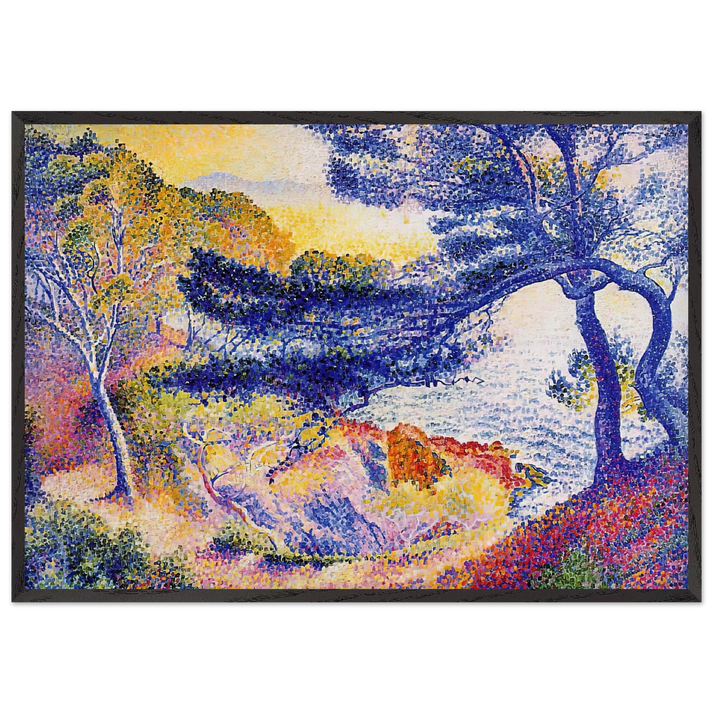
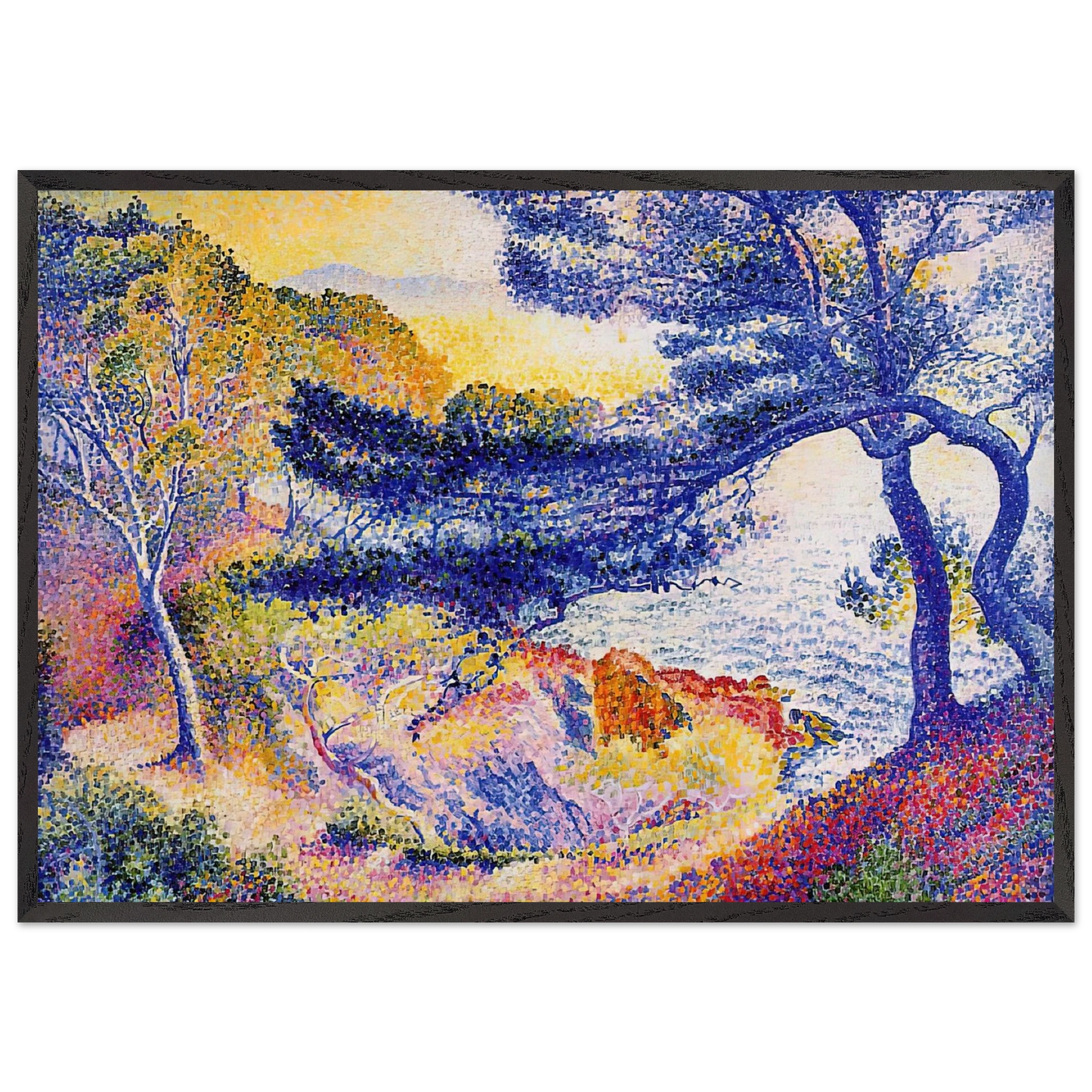
Cape Layet Provence - Henri-Edmond Cross 70x100 cm / 28x40 inches Framed Art Print – Black Wooden Frame
Cape Layet Provence - Henri-Edmond Cross 70x100 cm / 28x40 inches Framed Art Print – Black Wooden Frame
Couldn't load pickup availability
Cape Layet, Provence: A Masterpiece of Neo-Impressionist Light
Experience the luminous tranquility of the French Riviera through the eyes of Henri-Edmond Cross. This exquisite fine art print of Cape Layet, Provence captures the pinnacle of the Neo-Impressionist movement. Cross, a master of Divisionism, moved beyond the rigid scientific constraints of his contemporary Georges Seurat to embrace a more vibrant, emotional palette that perfectly mirrors the warmth of the Mediterranean coast.
In this composition, Cross utilizes meticulous points of pure color to build a landscape vibrating with light. The turquoise waters of the Var coastline contrast beautifully with the sun-drenched flora, creating a rhythmic harmony that invites the viewer into a state of chromatic contemplation. This artwork is not merely a landscape; it is a historical testament to the transition toward Fauvism and modern abstraction.
At RedKalion, we honor the artist's legacy by providing a museum-quality reproduction that preserves the integrity of every brushstroke. This 70x100 cm (28x40 inches) masterpiece is printed on 250 gsm (110 lb) archival museum-quality paper. The natural white, matte, and uncoated finish ensures that the vibrant hues of Provence remain true to the original vision without distracting glare.
The print is elegantly encased in a premium black wooden frame, crafted from responsibly sourced oak and ash. Measuring 20mm (0.79") in both thickness and width, this frame provides a more substantial and sophisticated profile than standard retail alternatives. Your investment is protected by shatrerproof plexiglass, ensuring the artwork's longevity and safety in any environment.
- Paper Quality: 250 gsm archival paper for enduring depth and detail.
- Sustainable Choice: FSC-certified materials contribute to environmental preservation.
- Ready-to-Hang: Delivered with a professional hanging kit for immediate installation.
- Elite Craftsmanship: 20mm thick solid wood frame in a timeless black finish.
Discover Unlimited Art Possibilities
At RedKalion, you can find virtually any artwork from any artist, available in a wide range of sizes to perfectly match your space.
If you didn’t find what you’re looking for, contact us at support@redkalion.com . We will source any artwork and produce it in any size and format you need, including art prints, posters, canvas, framed pieces, framed canvas, and more.
For dedicated art enthusiasts, we also offer handcrafted replicas of any artwork, carefully painted by highly skilled artists using traditional techniques.
For custom requests, contact us at support@redkalion.com .
What defines the quality of this Henri-Edmond Cross print?
Our prints use 250 gsm (110 lb) natural white, archival-grade paper. This museum-quality, uncoated matte finish ensures the colors remain vibrant and the paper resists yellowing, offering a long-lasting fine art reproduction for your collection.
How is the frame constructed?
The frame is made from responsibly sourced, solid oak and ash wood. It features a professional 20mm (0.79") profile, providing a robust and premium aesthetic compared to thinner, standard frames.
Is the artwork protected against damage?
Yes, each print is shielded by shatterproof plexiglass. This provides the clarity of glass with significantly increased durability, ensuring your artwork arrives safely and remains protected from dust and impact.
How do I hang my new Cape Layet print?
Every framed print from RedKalion arrives ready-to-hang. We include a dedicated hanging kit compatible with the 70x100 cm frame size, allowing for a seamless and secure installation on your wall.
Is the paper used for this reproduction sustainable?
We prioritize sustainability by using FSC-certified paper or equivalent regional certifications. This ensures that your fine art print supports responsible forest management and environmental stewardship.
What is the significance of the Pointillist style in Cape Layet?
Henri-Edmond Cross used Divisionism (Pointillism) to separate colors into individual dots. This technique relies on the viewer's eye to optically mix the colors, creating a unique sense of luminosity and shimmering heat typical of Provence.
Where was Henri-Edmond Cross living when he painted this?
Cross lived in Saint-Clair on the Côte d'Azur. The Mediterranean landscape of the Var region served as his primary inspiration, allowing him to experiment with the intense light and color seen in Cape Layet.