
RedKalion
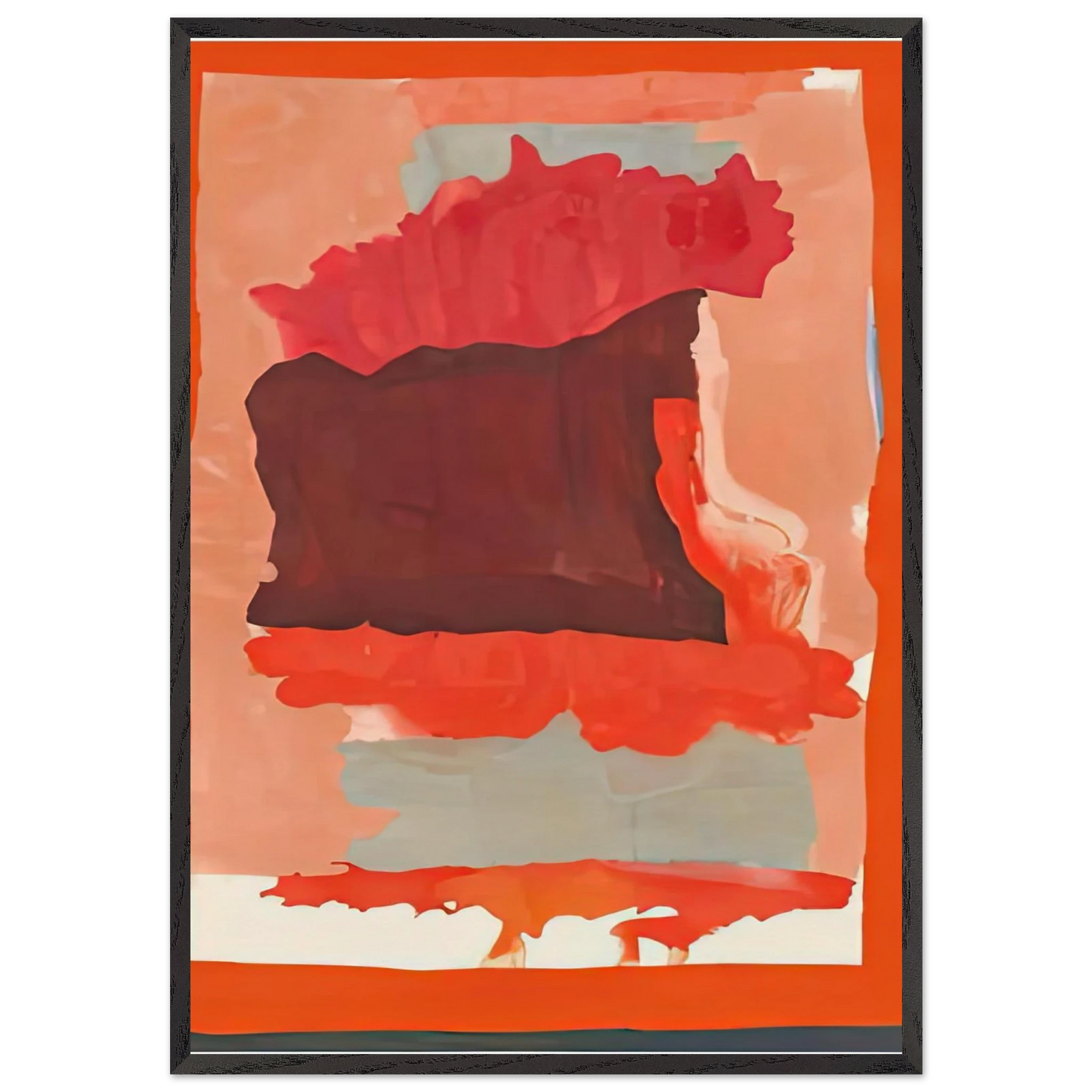
Cape Orange 1964- - Helen Frankenthaler 70x100 cm / 28x40 inches Framed Art Print – Black Wooden Frame
Cape Orange 1964- - Helen Frankenthaler 70x100 cm / 28x40 inches Framed Art Print – Black Wooden Frame
Couldn't load pickup availability
Capture the Luminous Vitality of Helen Frankenthaler’s Cape Orange (1964)
As a pivotal figure in the transition from Abstract Expressionism to Color Field painting, Helen Frankenthaler redefined the possibilities of the canvas. Her 1964 masterpiece, Cape Orange, is a testament to her revolutionary 'soak-stain' technique. By thinning her pigments, Frankenthaler allowed the color to merge directly with the fibers of the substrate, creating an ethereal translucency that seems to glow from within. This museum-quality reproduction captures every nuanced gradient of the original, offering a sophisticated anchor for any contemporary interior.
Curated Quality for the Discerning Collector
At RedKalion, we believe that fine art deserves a presentation of equal caliber. This 70x100 cm (28x40 inches) framed print is meticulously crafted to meet archival standards, ensuring that the vibrant oranges of Frankenthaler’s vision endure for generations. Our commitment to excellence is reflected in the premium materials selected for this piece:
- Archival Museum-Quality Paper: Printed on 250 gsm (110 lb) natural white, matte, uncoated paper with a substantial 0.29 mm thickness for a professional fine art feel.
- Premium Wood Framing: Enclosed in a robust 20mm (0.79") thick black frame, crafted from responsibly sourced, FSC-certified oak and ash wood.
- Shatterproof Protection: High-clarity plexiglass protects the print from environmental damage while maintaining visual depth and clarity.
- Ready to Exhibit: Each print arrives with a pre-installed hanging kit, allowing you to elevate your space immediately upon arrival.
Elevate your home with a piece of art history. This Helen Frankenthaler archival masterpiece is an invitation to witness the evolution of 20th-century modernism through a lens of color and light.
Discover Unlimited Art Possibilities
At RedKalion, you can find virtually any artwork from any artist, available in a wide range of sizes to perfectly match your space.
If you didn’t find what you’re looking for, contact us at support@redkalion.com . We will source any artwork and produce it in any size and format you need, including art prints, posters, canvas, framed pieces, framed canvas, and more.
For dedicated art enthusiasts, we also offer handcrafted replicas of any artwork, carefully painted by highly skilled artists using traditional techniques.
For custom requests, contact us at support@redkalion.com .
What materials are used for the Cape Orange 1964 print?
We use archival museum-quality paper weighing 250 gsm (110 lb). It is a natural white, matte, and uncoated paper that ensures the longevity of the Helen Frankenthaler reproduction without yellowing over time.
What are the frame specifications for this artwork?
The print is housed in a 20mm (0.79") thick black wooden frame made from responsibly sourced oak and ash. This wider profile provides a more premium, gallery-style presence compared to standard thin frames.
Is the framing material sustainably sourced?
Yes, all wood used for our frames is FSC-certified or equivalent, ensuring that your Cape Orange fine art print supports responsible forest management and environmental sustainability.
How is the artwork protected during shipping?
We use shatterproof, transparent plexiglass to protect the print from damage. This material provides the clarity of glass with added durability, ensuring your framed art print arrives in perfect condition.
Does the framed print come ready to hang?
Absolutely. Your 70x100 cm framed print includes a pre-installed hanging kit. It is designed to be ready to hang directly on your wall the moment it arrives at your door.
What was Helen Frankenthaler's 'soak-stain' technique?
Frankenthaler pioneered the soak-stain technique by thinning oil or acrylic paint with turpentine to a watery consistency. This allowed the pigment to soak directly into the raw canvas, creating the fused, luminous color fields seen in Cape Orange.
Why is Cape Orange significant in 1960s art history?
Created in 1964, Cape Orange represents Frankenthaler’s mastery of Color Field painting. It demonstrates her move away from aggressive brushwork toward a more meditative, fluid exploration of how color interacts with space and emotion.