

RedKalion
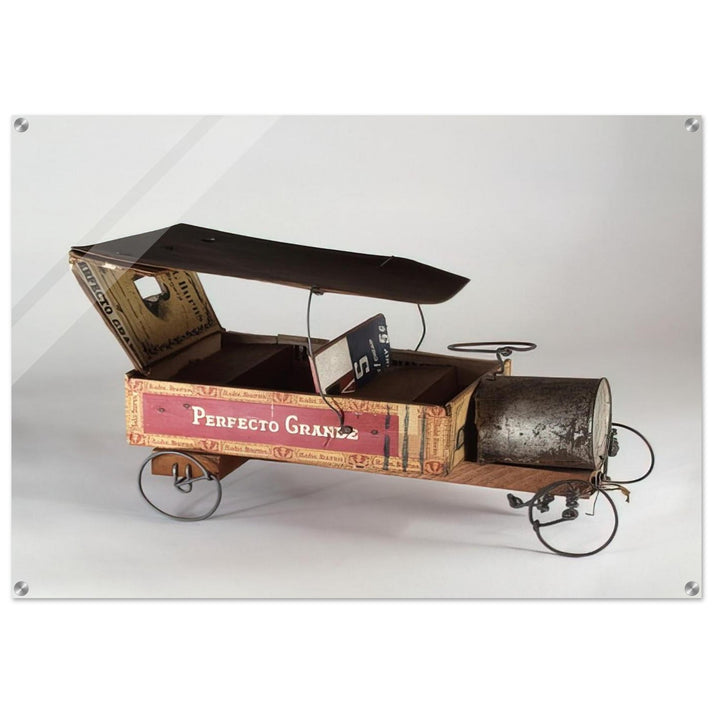
CAR 1943 - Alexander Calder Acrylic Print - 70x100 cm / 28x40″ inches
CAR 1943 - Alexander Calder Acrylic Print - 70x100 cm / 28x40″ inches
Couldn't load pickup availability
Experience the Kinetic Vision of Alexander Calder’s CAR 1943
Step into the mid-century modern era with CAR 1943, a seminal work by the master of motion, Alexander Calder. This exquisite museum-quality reproduction captures the playful abstraction and rhythmic energy that defined Calder's career. Known primarily for his revolutionary mobiles, his static works like CAR 1943 translate that same sense of kinetic potential onto a two-dimensional plane. At RedKalion, we have meticulously restored the vibrancy of his signature primary palette, ensuring this fine art print serves as a sophisticated focal point for any contemporary interior.
Museum-Quality Execution on Acrylic
This is not a standard print; it is a high-definition acrylic glass masterpiece. Utilizing a 4mm (0.15") premium acrylic substrate, the colors are amplified through the depth of the material, resulting in a sleek, glass-like finish that is both shatter-resistant and incredibly durable. The straight-cut corners and transparent depth offer a clean, minimalist aesthetic that complements Calder’s modernist lines.
- Precision Clarity: 4mm thick acrylic for stunning visual depth and light refraction.
- Vibrant Fidelity: Archival inks that resist fading, preserving the 1943 color profile for decades.
- Installation Ready: Includes a premium hanging kit with four silver-tone standoffs (15mm screw heads) for a floating effect.
- Contemporary Design: Minimalist straight-cut edges for a professional gallery look.
By choosing a RedKalion reproduction, you are investing in a piece of art history. Our commitment to archival standards ensures that the bold geometries and lyrical forms of Calder's 1943 vision remain as striking today as they were in the mid-20th century. Elevate your collection with a piece that balances industrial precision with organic movement.


Discover Unlimited Art Possibilities
At RedKalion, you can find virtually any artwork from any artist, available in a wide range of sizes to perfectly match your space.
If you didn’t find what you’re looking for, contact us at support@redkalion.com . We will source any artwork and produce it in any size and format you need, including art prints, posters, canvas, framed pieces, framed canvas, and more.
For dedicated art enthusiasts, we also offer handcrafted replicas of any artwork, carefully painted by highly skilled artists using traditional techniques.
For custom requests, contact us at support@redkalion.com .
What material is the CAR 1943 print made from?
This print is crafted from 4mm (0.15") high-grade acrylic. This material provides a vibrant, depth-filled finish that is far more durable and modern than traditional glass-framed prints.
Does the print come with hanging hardware?
Yes, your Alexander Calder acrylic print includes a full hanging kit. It features four pre-drilled holes and 15mm screw-head standoffs to create a sleek, floating appearance on your wall.
How is the artwork protected during shipping?
RedKalion ensures every print is shipped in heavy-duty protective packaging. The acrylic surface is covered with a protective film to prevent scratches during transit, which you simply peel off after installation.
Is the print UV resistant and archival?
Absolutely. We use archival-grade inks and premium acrylic that offers natural UV protection, preventing the vibrant reds, yellows, and blacks of Calder’s work from fading over time.
How should I clean and maintain my acrylic print?
To maintain the high-gloss finish, simply use a soft, damp microfiber cloth. Avoid harsh chemicals or abrasive cleaners, as the 4mm acrylic surface is best cleaned with gentle, non-ammonia solutions.
What is the significance of the year 1943 in Calder's career?
1943 was a landmark year for Alexander Calder, marked by his major retrospective at the Museum of Modern Art (MoMA). His work from this period represents the peak of his abstract experimentation.
Why is Alexander Calder considered a master of modern art?
Calder revolutionized art by introducing motion. Whether through his suspended mobiles or his rhythmic paintings like CAR 1943, he redefined how space, color, and balance interact in the modern era.