RedKalion
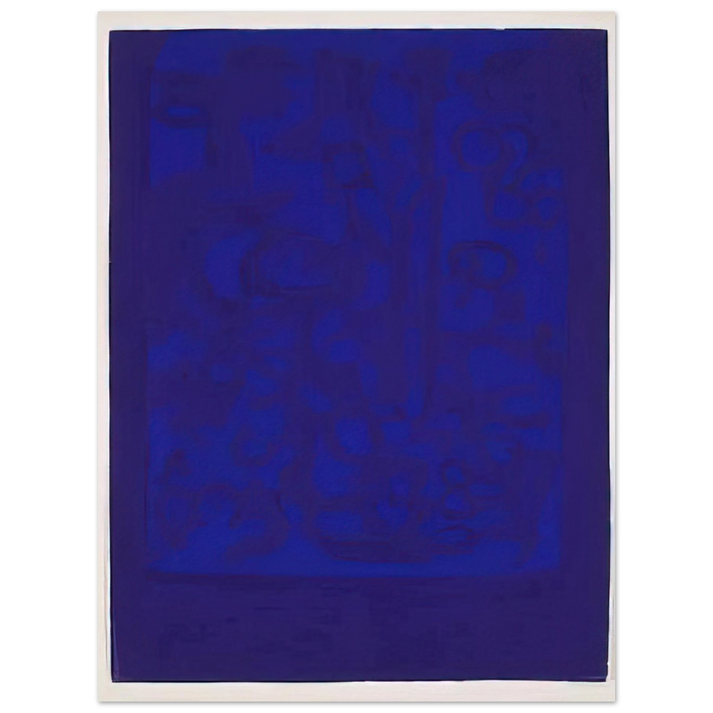
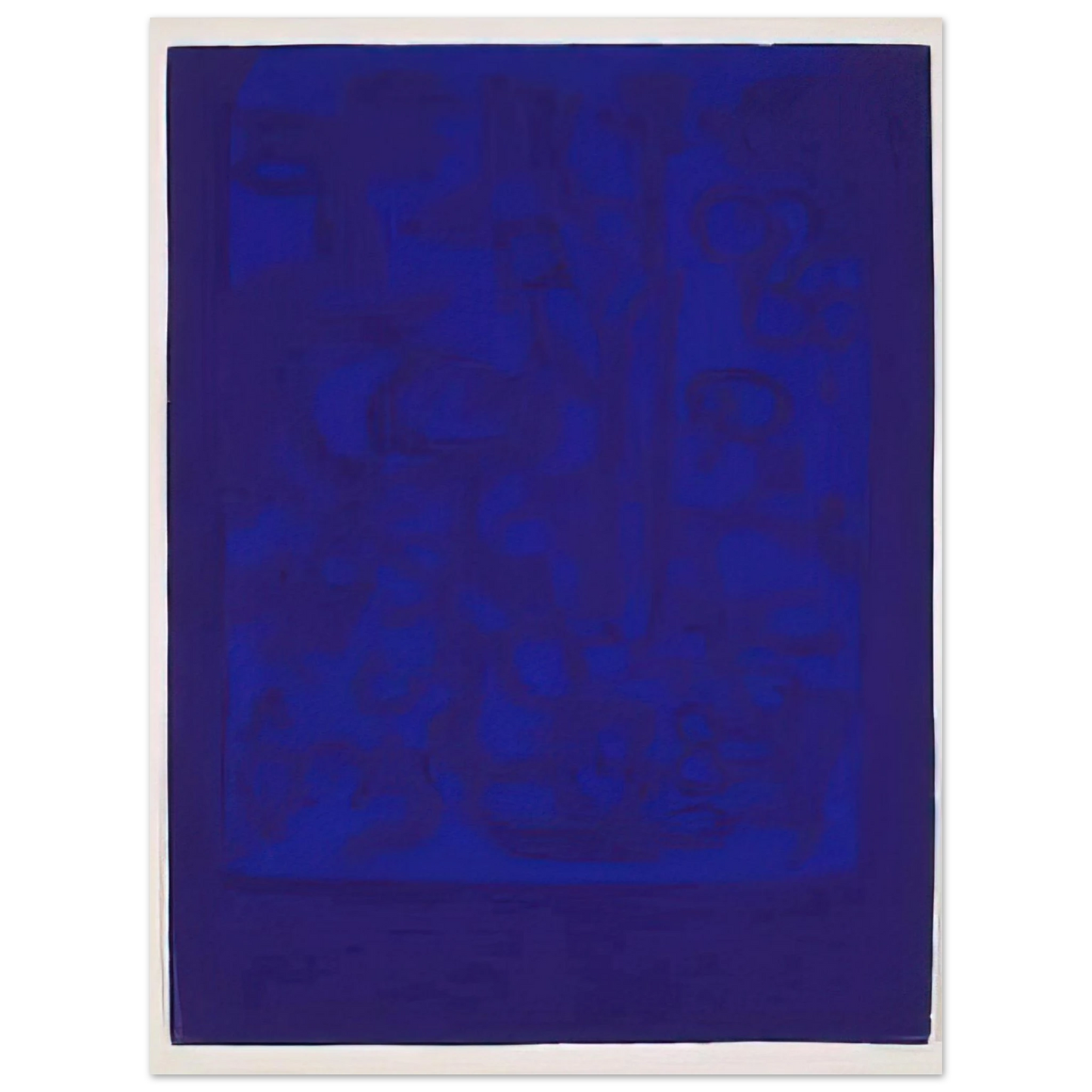
Carla Accardi - Blue Viola - 1962 75x100 cm / 30x40inches Fine Art Poster
Carla Accardi - Blue Viola - 1962 75x100 cm / 30x40inches Fine Art Poster
Couldn't load pickup availability
Carla Accardi’s Blue Viola (1962): A Masterpiece of Rhythmic Abstraction
Elevate your interior with Blue Viola (1962), a definitive work by the pioneering Italian artist Carla Accardi. A central figure in the Forma 1 movement, Accardi revolutionized abstract art through her rhythmic use of signs and calligraphic structures. This specific piece captures the height of her 1960s exploration, where the repetition of delicate, interlaced forms creates a vibrating field of color and energy that resonates with modern sophistication.
The RedKalion Archival Difference
At RedKalion, we believe that world-class art deserves world-class materials. This museum-quality reproduction is rendered on our Master's Edition archival paper. Unlike standard posters, our paper is a heavy 250 gsm (110 lb), providing a luxurious, substantial feel that mimics the presence of an original gallery piece. The natural white (off-white) finish provides a sophisticated, non-reflective backdrop that allows Accardi’s intricate blue and viola tones to emerge with stunning clarity.
Museum-Grade Longevity and Craftsmanship
Designed to endure for generations, this fine art print is acid-free (pH above 7), ensuring the paper will not yellow or become brittle over time. Our commitment to quality is matched by our commitment to the planet; every print uses FSC-certified paper, sourced from responsibly managed forests. The matte, uncoated texture of the paper provides a tactile depth that invites the eye, making it the perfect focal point for a curated home or professional gallery space.
- Artist: Carla Accardi
- Title: Blue Viola (1962)
- Dimensions: 75x100 cm / 30x40 inches
- Paper Type: 250 gsm Master's Edition Archival
- Sustainability: FSC-certified, acid-free composition
Discover Unlimited Art Possibilities
At RedKalion, you can find virtually any artwork from any artist, available in a wide range of sizes to perfectly match your space.
If you didn’t find what you’re looking for, contact us at support@redkalion.com . We will source any artwork and produce it in any size and format you need, including art prints, posters, canvas, framed pieces, framed canvas, and more.
For dedicated art enthusiasts, we also offer handcrafted replicas of any artwork, carefully painted by highly skilled artists using traditional techniques.
For custom requests, contact us at support@redkalion.com .
What are the dimensions of this Carla Accardi print?
This reproduction of Blue Viola (1962) measures 75x100 cm (30x40 inches), making it an ideal statement piece for large wall surfaces in modern interiors.
What type of paper is used for the Blue Viola reproduction?
We use Master's Edition archival paper, weighing 250 gsm (110 lb). It is a museum-quality, natural white, matte paper that offers a luxurious, uncoated texture.
Is the print archival and long-lasting?
Yes. The paper is acid-free (pH above 7), which prevents yellowing and degradation over time, ensuring your Carla Accardi print maintains its vibrant clarity for decades.
How does RedKalion handle shipping and fulfillment?
Each print is produced on demand with no minimum order requirements. We ship using secure, protective packaging to ensure your museum-quality poster arrives in pristine condition.
What makes the finish of this print "museum-quality"?
The combination of 250 gsm weight, a natural white base, and a matte finish ensures no glare and a deep color saturation characteristic of elite gallery reproductions.
What is the significance of Carla Accardi's 1962 period?
1962 was a pivotal year for Accardi as she perfected her "segno" (sign) technique, moving away from rigid geometry toward a more rhythmic, calligraphic language of abstraction.
How does the "segno" technique manifest in Blue Viola?
In Blue Viola, Accardi uses repetitive, interlacing marks to create a sense of movement and depth, transforming simple shapes into a complex, harmonious visual rhythm.