
RedKalion
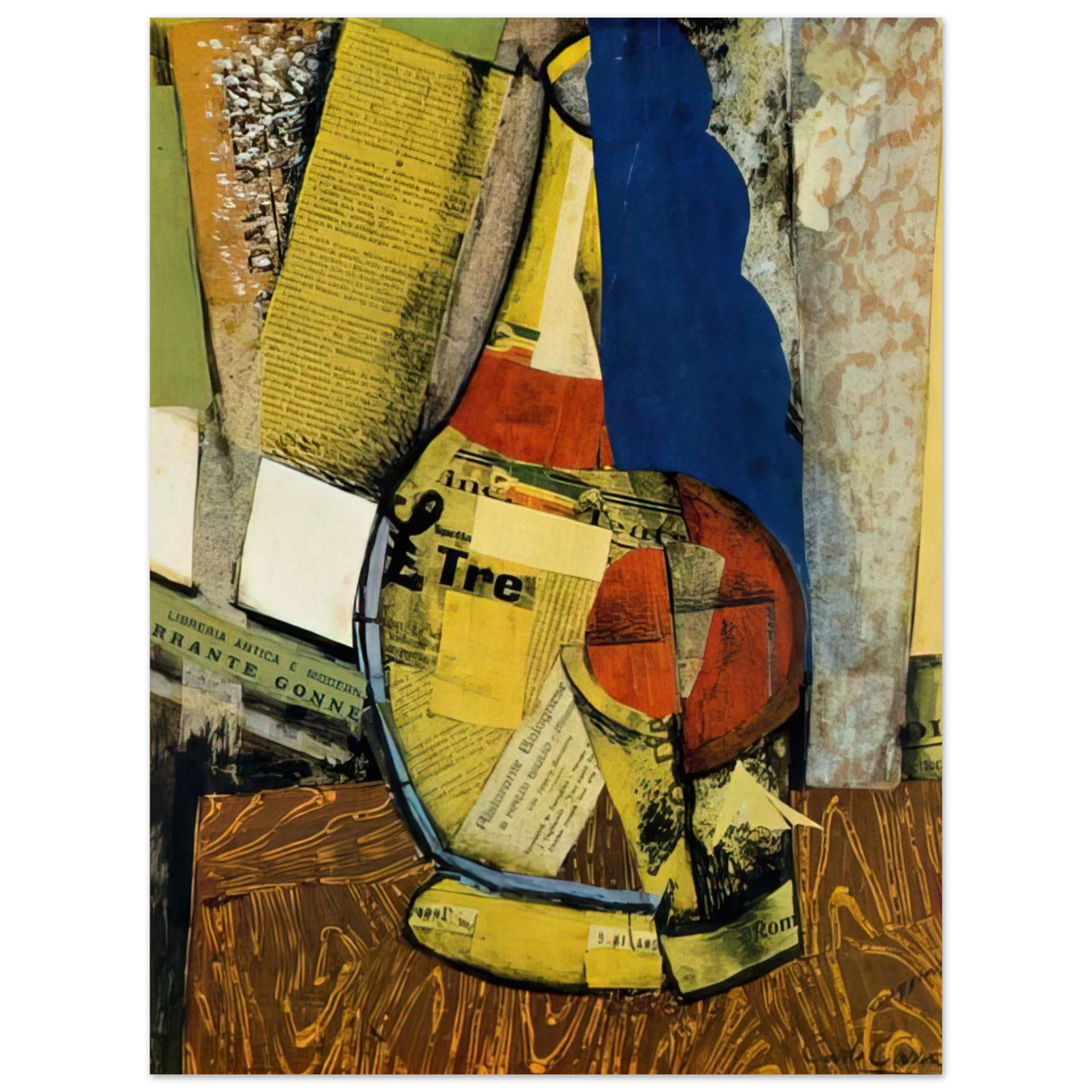
Carlo Carra - FIASCO E BICCHIERE 75x100 cm / 30x40inches Fine Art Poster
Carlo Carra - FIASCO E BICCHIERE 75x100 cm / 30x40inches Fine Art Poster
Couldn't load pickup availability
The Poetic Stillness of Carlo Carrà: Fiasco e Bicchiere
In Fiasco e Bicchiere, Carlo Carrà departs from the frenetic energy of Italian Futurism to embrace a profound, silent geometry. This fine art print captures a pivotal era in 20th-century modernism—the 'return to order.' By focusing on the humble objects of a flask and a glass, Carrà invites the viewer into a world of metaphysical weight and simplified volume, echoing the monumental stillness of the Italian masters like Giotto whom he deeply revered.
Museum-Quality Execution for the Discerning Collector
At RedKalion, we believe a masterpiece of this caliber deserves nothing less than archival perfection. This museum-quality reproduction is meticulously printed on our Master's Edition archival paper. With a weight of 250 gsm (110 lb), this natural white, off-white paper provides a luxurious, uncoated matte finish that eliminates glare and preserves the subtle tonal shifts of Carrà’s original palette.
- Archival Longevity: Acid-free (pH above 7) composition prevents yellowing, ensuring your investment remains pristine for generations.
- Premium Texture: A thickness of 0.29 mm (11.4 mils) offers a substantial, tactile feel that only high-end gallery prints provide.
- Sustainable Excellence: Our commitment to the planet is reflected in the use of FSC-certified paper.
Elevate your space with an archival masterpiece that endures. This 75x100 cm (30x40 inches) piece is more than a fine art poster; it is a testament to the enduring power of simplified form and sophisticated composition.
Discover Unlimited Art Possibilities
At RedKalion, you can find virtually any artwork from any artist, available in a wide range of sizes to perfectly match your space.
If you didn’t find what you’re looking for, contact us at support@redkalion.com . We will source any artwork and produce it in any size and format you need, including art prints, posters, canvas, framed pieces, framed canvas, and more.
For dedicated art enthusiasts, we also offer handcrafted replicas of any artwork, carefully painted by highly skilled artists using traditional techniques.
For custom requests, contact us at support@redkalion.com .
What are the physical dimensions of this Carlo Carrà print?
This fine art poster measures 75x100 cm (approximately 30x40 inches), making it a striking focal point for large wall spaces and curated galleries.
What makes the Master's Edition paper special?
Our Master's Edition paper is a 250 gsm (110 lb) archival-grade material. It features an uncoated matte finish and a natural white tone, ensuring museum-quality depth and texture.
Will the colors of Fiasco e Bicchiere fade over time?
No. We use acid-free paper with a pH above 7. This archival standard prevents yellowing and preserves the color integrity of the artwork for decades.
Is the paper used for this print sustainably sourced?
Yes, RedKalion uses FSC-certified paper, ensuring that the materials for your museum-quality reproduction are sourced from responsibly managed forests.
How is my fine art poster fulfilled and shipped?
Each print is produced on demand with no minimum order requirements. It is carefully packaged to ensure safe arrival and is ready to be framed upon receipt.
What is the historical significance of Fiasco e Bicchiere?
This work represents Carrà's shift toward 'Pittura Metafisica' and the 'Return to Order.' It emphasizes solid volumes and a sense of timelessness influenced by early Renaissance art.
What artistic style does Carlo Carrà use in this still life?
While Carrà was a founding Futurist, this piece showcases his transition to a more structural, simplified realism that explores the 'magic' within everyday objects through geometric clarity.