RedKalion
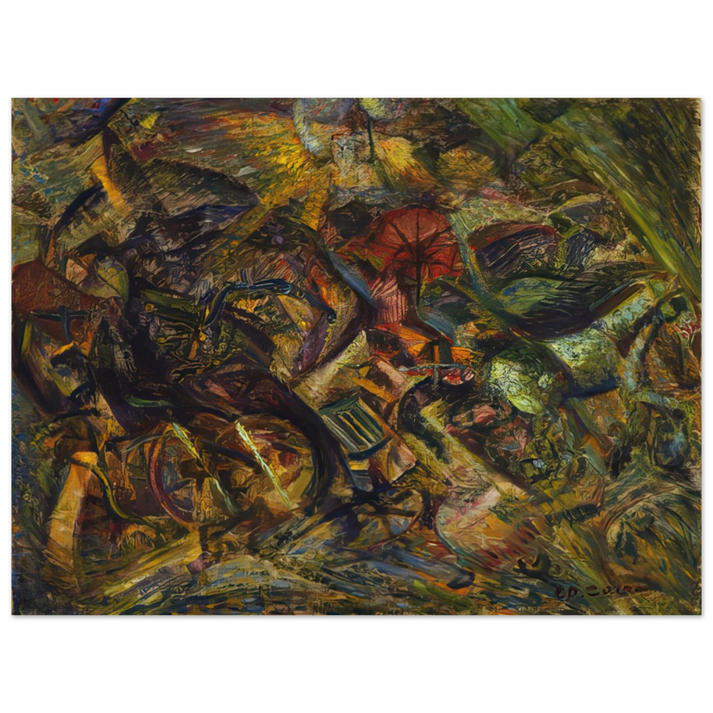
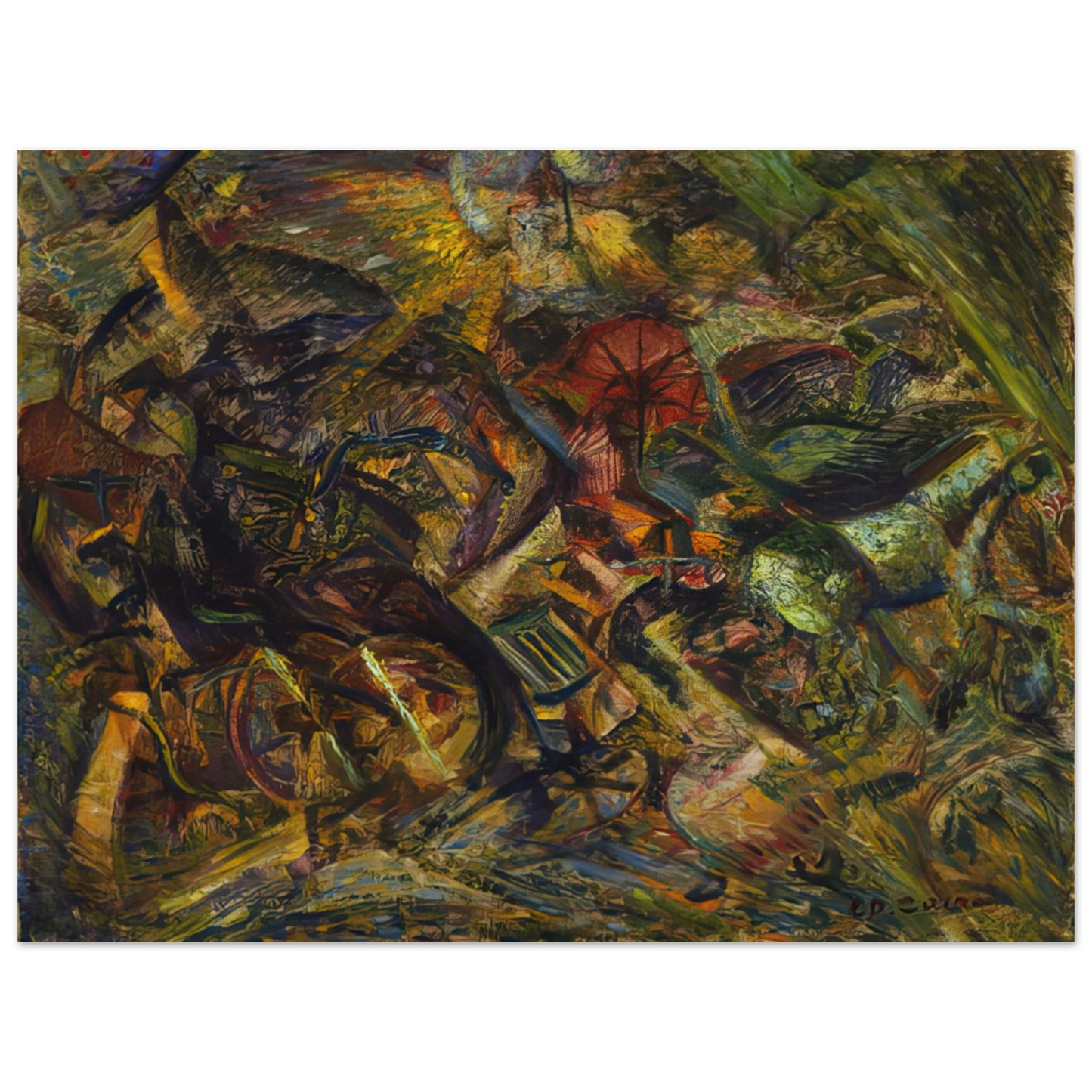
Carlo Carra - JOLTS OF A CAB 1911 75x100 cm / 30x40inches Fine Art Poster
Carlo Carra - JOLTS OF A CAB 1911 75x100 cm / 30x40inches Fine Art Poster
Couldn't load pickup availability
Elevate Your Space with Futurism: Jolts of a Cab by Carlo Carrà
Experience the electric vitality of the early 20th century with this museum-quality reproduction of Carlo Carrà's 1911 masterpiece, Jolts of a Cab. As a cornerstone of Italian Futurism, this work captures the sensory explosion of urban movement, utilizing 'lines of force' to merge the subject with its chaotic, vibrant environment. At RedKalion, we curate archival masterpieces that allow you to bring the sophistication of a world-class gallery into your own home.
This fine art print is meticulously crafted on our Master's Edition archival paper. Chosen for its luxurious weight and historical accuracy, the natural white (off-white), uncoated finish ensures that the fragmented planes and rhythmic brushstrokes of Carrà’s vision are rendered with incredible depth and no distracting glare. This is not a standard poster; it is a museum-quality reproduction designed to endure.
- Archival Excellence: Printed on 250 gsm (110 lb) acid-free paper (pH above 7) to prevent yellowing and ensure longevity.
- Premium Texture: A substantial 0.29 mm (11.4 mils) thickness provides a high-end feel and professional durability.
- Sustainable Artistry: Our prints use FSC-certified paper, supporting responsible forest management.
- Bespoke Fulfillment: Each piece is printed and shipped on demand with no minimum order requirements, ensuring your artwork arrives in pristine condition.
By integrating this Carlo Carrà masterpiece into your collection, you are choosing an archival piece that honors the history of the avant-garde. Let the 'plastic dynamism' of the Futurist movement transform your interior with a work that represents the pinnacle of modern art history.
Discover Unlimited Art Possibilities
At RedKalion, you can find virtually any artwork from any artist, available in a wide range of sizes to perfectly match your space.
If you didn’t find what you’re looking for, contact us at support@redkalion.com . We will source any artwork and produce it in any size and format you need, including art prints, posters, canvas, framed pieces, framed canvas, and more.
For dedicated art enthusiasts, we also offer handcrafted replicas of any artwork, carefully painted by highly skilled artists using traditional techniques.
For custom requests, contact us at support@redkalion.com .
What defines the quality of this Carlo Carrà reproduction?
RedKalion uses Master's Edition archival paper. At 250 gsm, this heavy-weight, museum-quality paper provides a premium feel and exceptional durability for your Carlo Carrà fine art print.
Will the colors of Jolts of a Cab fade over time?
No. We use acid-free paper with a pH above 7. This archival-grade material prevents yellowing and ensures the vibrant energy of Carrà's Futurism lasts for generations.
What is the texture and finish of the paper?
The print features a matte, uncoated finish on a natural white (off-white) base. This provides a luxurious, glare-free texture that highlights the sophisticated details of the artwork.
How is my order fulfilled and shipped?
We print and ship each order on demand with no minimum requirements. This ensures your artwork is freshly produced and handled with the utmost care before delivery.
Is the paper used for this print environmentally friendly?
Yes. All our prints use FSC-certified paper or equivalent certifications depending on regional availability, supporting responsible forest management and sustainable art production.
What does Jolts of a Cab represent in the Futurist movement?
It represents simultaneity and urban dynamism. Carrà used fragmented planes to depict the physical and psychological sensations of traveling in a horse-drawn cab through a bustling city.
Why did Carrà use such fragmented forms in this 1911 masterpiece?
Carrà employed fragmented forms to represent 'lines of force.' This technique integrates the subject with its surroundings, conveying the speed and chaos of modern mechanical life.