RedKalion
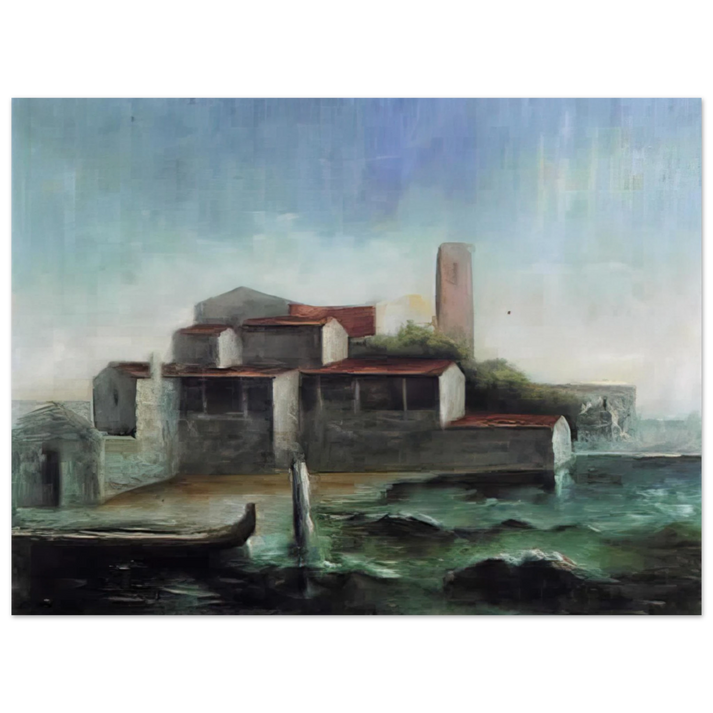
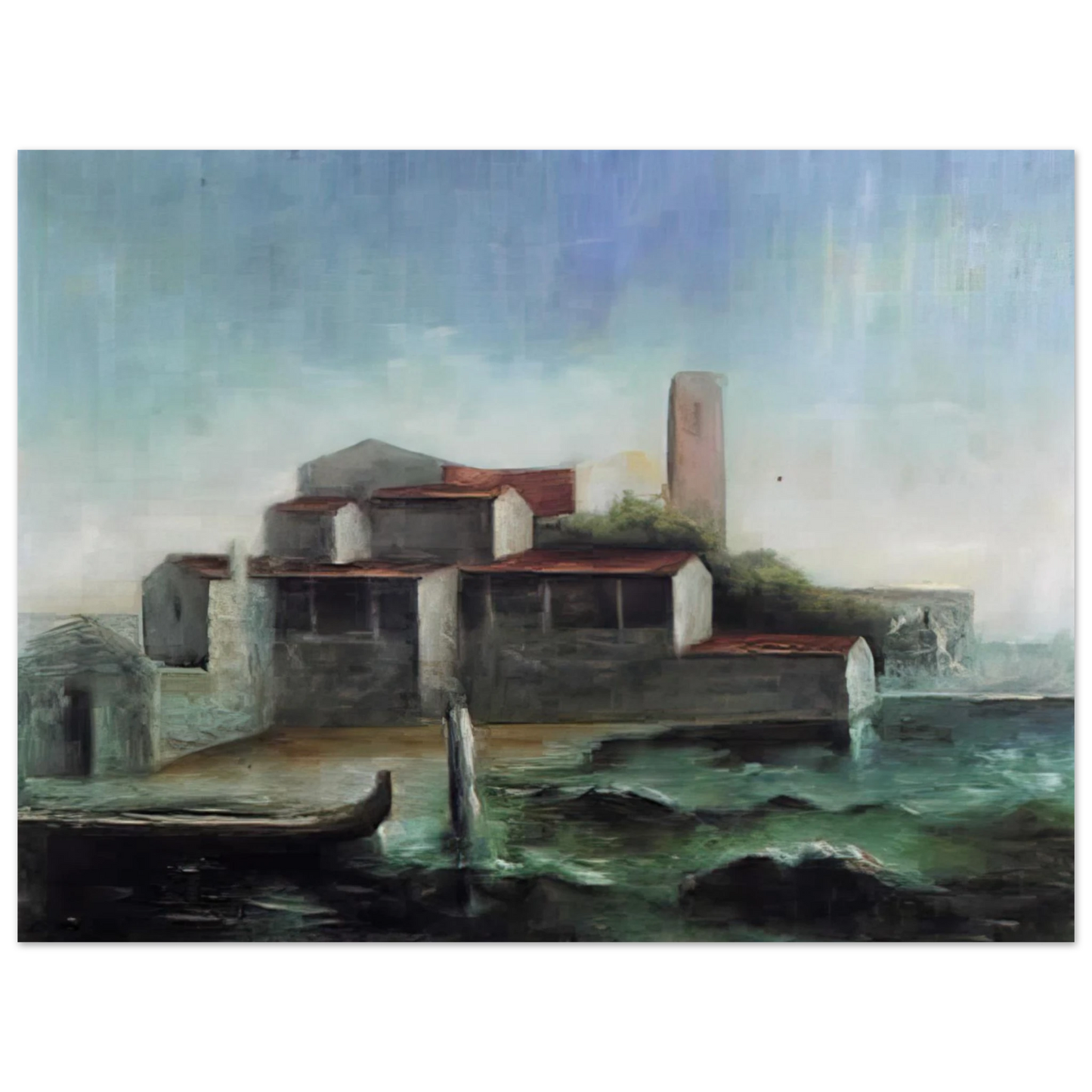
Carlo Carra - LO SQUERO DI SAN TROVASO 1938 75x100 cm / 30x40inches Fine Art Poster
Carlo Carra - LO SQUERO DI SAN TROVASO 1938 75x100 cm / 30x40inches Fine Art Poster
Couldn't load pickup availability
A Masterpiece of Italian Modernism: Carlo Carrà’s Lo Squero di San Trovaso (1938)
Experience the quiet majesty of Carlo Carrà’s 1938 interpretation of Venice’s historic boatyard with this museum-quality reproduction. In Lo Squero di San Trovaso, Carrà captures the soul of one of the city's oldest working boatyards, translating the architectural heritage of the floating city through the lens of the Novecento Italiano movement. This piece marks a significant moment in Carrà’s career, where he moved away from the frenetic energy of Futurism toward a 'Return to Order'—prioritizing solidity, simplified forms, and a timeless, meditative stillness.
The composition is defined by its architectural weight and earthy palette, characteristic of Carrà’s late 1930s style. This fine art print allows you to appreciate the subtle brushwork and the interplay of light on the water and wood, hallmarks of a master who sought to find the 'spiritual essence' in everyday scenes. It is more than a fine art poster; it is a gateway to the historical heart of Venice, curated for the discerning collector.
The RedKalion Standard: Museum-Quality Craftsmanship
RedKalion is dedicated to preserving the integrity of world-class art. This museum-quality reproduction is printed on Master's Edition archival paper, designed to meet the highest standards of longevity and aesthetic precision. The matte, uncoated finish provides a sophisticated, natural white (off-white) texture that eliminates glare and enhances the depth of Carrà’s color palette.
- Paper Weight: Premium 250 gsm (110 lb) for a substantial, luxurious feel.
- Archival Longevity: Acid-free (pH above 7) paper prevents yellowing and degradation over decades.
- Sustainability: Printed on FSC-certified paper, ensuring ethical and environmentally responsible sourcing.
- Precision Detail: A thickness of 0.29 mm (11.4 mils) ensures a robust print that remains flat and elegant when framed.
Elevate your interior space with a piece that bridges history and modern sophistication. Each print is fulfilled on demand with meticulous attention to detail, ensuring your archival masterpiece arrives in pristine condition.
Discover Unlimited Art Possibilities
At RedKalion, you can find virtually any artwork from any artist, available in a wide range of sizes to perfectly match your space.
If you didn’t find what you’re looking for, contact us at support@redkalion.com . We will source any artwork and produce it in any size and format you need, including art prints, posters, canvas, framed pieces, framed canvas, and more.
For dedicated art enthusiasts, we also offer handcrafted replicas of any artwork, carefully painted by highly skilled artists using traditional techniques.
For custom requests, contact us at support@redkalion.com .
What makes the paper quality 'Museum-Grade'?
We use Master's Edition 250 gsm paper, which is acid-free and pH-buffered. This ensures the artwork retains its original colors and prevents paper brittleness or yellowing over time, unlike standard posters.
What is the finish of the Carlo Carrà print?
The print features a matte, uncoated, natural white finish. This texture provides a luxurious feel and eliminates reflections, allowing the viewer to appreciate the fine art details from any angle.
How is the artwork shipped and fulfilled?
RedKalion uses a print-on-demand model with no minimum orders. Each print is carefully packaged and shipped in durable materials to ensure your fine art reproduction arrives in perfect condition.
Is the paper environmentally sustainable?
Yes, all our prints use FSC-certified paper (Forest Stewardship Council), meaning the materials are sourced from responsibly managed forests that provide environmental, social, and economic benefits.
Does the print come with a frame?
This product is a premium fine art print only. The 75x100 cm (30x40 inches) size is standard for high-end gallery framing, allowing you to choose a custom frame that fits your decor.
What is the historical significance of Lo Squero di San Trovaso?
Built in the 17th century, it is one of the few remaining boatyards in Venice where gondolas are still handcrafted. Carrà’s 1938 painting captures its iconic alpine-style architecture and cultural heritage.
Why did Carlo Carrà paint this scene in 1938?
By 1938, Carrà was a leader of the 'Return to Order' movement. He focused on static, classical compositions to evoke a sense of permanence and national identity through Italian landscapes and landmarks.