RedKalion
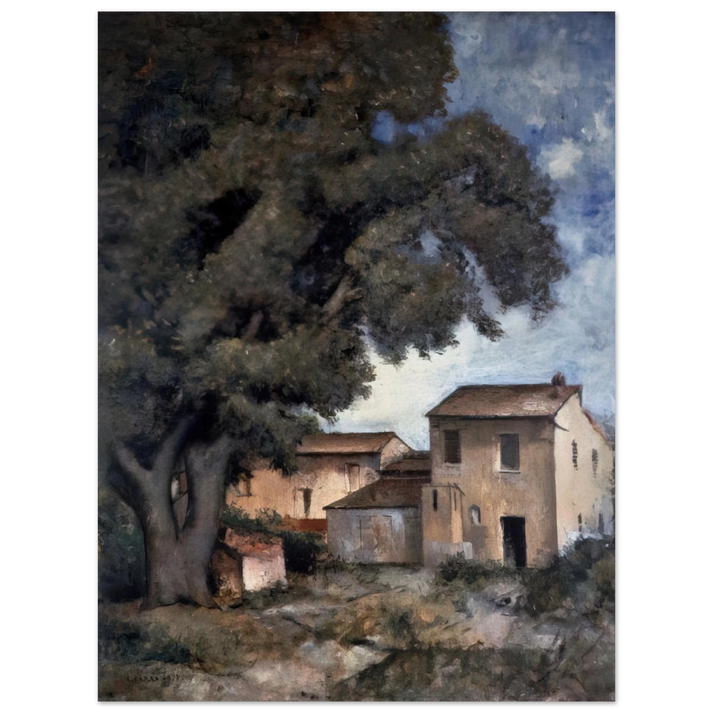
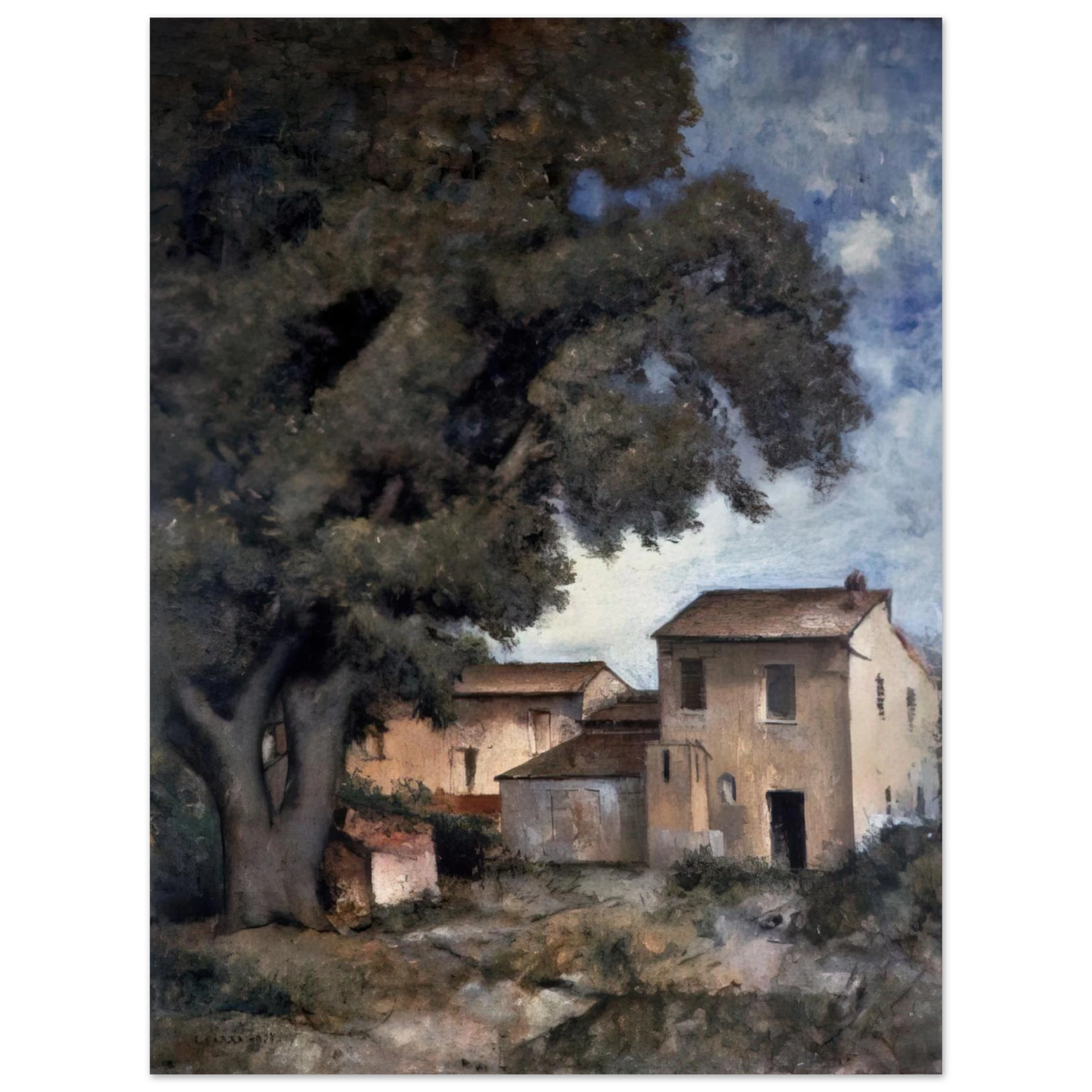
Carlo Carra - MERIGGIO 1927 75x100 cm / 30x40inches Fine Art Poster
Carlo Carra - MERIGGIO 1927 75x100 cm / 30x40inches Fine Art Poster
Couldn't load pickup availability
Elevate Your Space with Carlo Carrà’s Meriggio (1927)
Step into the profound stillness of the Italian landscape with this museum-quality reproduction of Carlo Carrà’s 1927 masterpiece, Meriggio (Noon). As a cornerstone of the ritorno all'ordine (return to order) movement, this work represents Carrà’s departure from the frantic energy of Futurism toward a timeless, plastic realism inspired by the frescoes of Giotto and Masaccio. This 75x100 cm fine art print captures the suspended atmosphere and architectural weight that define Carrà's mature style, offering a window into a world of Mediterranean light and metaphysical silence.
Authentic Artistry Meets Archival Excellence
At RedKalion, we believe a work of this historical significance deserves a medium that honors its legacy. Our reproduction is rendered on Master's Edition archival paper, meticulously selected for its ability to hold deep, nuanced pigments without the glare of traditional photographic papers. This matte, uncoated, natural white paper provides a luxurious, off-white texture that enhances the subtle earth tones and soft geometric shadows of Carrà’s composition.
- Museum-Grade Quality: Printed on heavy-weight 250 gsm (110 lb) paper with a thickness of 0.29 mm for a premium, substantial feel.
- Archival Longevity: Our acid-free paper (pH above 7) ensures your print remains vibrant and resists yellowing for generations.
- Sustainable Craftsmanship: We utilize FSC-certified paper, aligning artistic beauty with environmental responsibility.
- Precise Detail: Every brushstroke of the 1927 original is preserved, showcasing Carrà’s mastery of form and volume.
A Curated Piece for the Discerning Collector
Meriggio is more than a landscape; it is a meditation on space and memory. By integrating this piece into your collection, you are choosing an archival-grade fine art print that bridges early 20th-century Italian avant-garde with contemporary interior elegance. RedKalion fulfills each order on demand with no minimums, ensuring that your masterpiece is handled with the expertise and authority that museum-quality art demands.
Discover Unlimited Art Possibilities
At RedKalion, you can find virtually any artwork from any artist, available in a wide range of sizes to perfectly match your space.
If you didn’t find what you’re looking for, contact us at support@redkalion.com . We will source any artwork and produce it in any size and format you need, including art prints, posters, canvas, framed pieces, framed canvas, and more.
For dedicated art enthusiasts, we also offer handcrafted replicas of any artwork, carefully painted by highly skilled artists using traditional techniques.
For custom requests, contact us at support@redkalion.com .
What makes the paper quality of this Carlo Carrà print 'museum-quality'?
We use Master's Edition archival paper, which is 250 gsm (110 lb) and acid-free. This ensures a heavy, premium feel and prevents the paper from yellowing, maintaining the integrity of the fine art print for decades.
Does the print have a glossy or matte finish?
The Meriggio print features a luxurious matte, uncoated finish. This natural white (off-white) surface eliminates glare and provides a sophisticated texture that highlights the depth and plasticism of Carrà’s brushwork.
Is this reproduction environmentally friendly?
Yes. RedKalion is committed to sustainability; we use FSC-certified paper or equivalent certifications depending on regional availability, ensuring your art is as responsible as it is beautiful.
How is my fine art poster shipped and fulfilled?
Each print is produced on demand with no minimum order requirements. We use robust packaging to ensure your museum-quality reproduction arrives in pristine condition, ready to elevate your living or office space.
How long will this archival print last without fading?
Because we use acid-free paper with a pH above 7, the print is chemically stable. This archival standard is designed to prevent degradation and color shifting, ensuring the work endures as a lasting investment.
What is the historical significance of Meriggio (1927)?
Created during the 'Return to Order' movement, Meriggio reflects Carrà's shift from Futurism to a simplified, 'archaic' realism. It emphasizes stability, Mediterranean light, and the metaphysical stillness characteristic of 1920s Italian art.
Why is Carlo Carrà considered a central figure in Italian modern art?
Carrà was a polymath who co-founded Futurism and later developed Metaphysical Painting alongside De Chirico. His 1927 works represent a synthesis of modernism and the classical tradition of the Italian Renaissance.