RedKalion
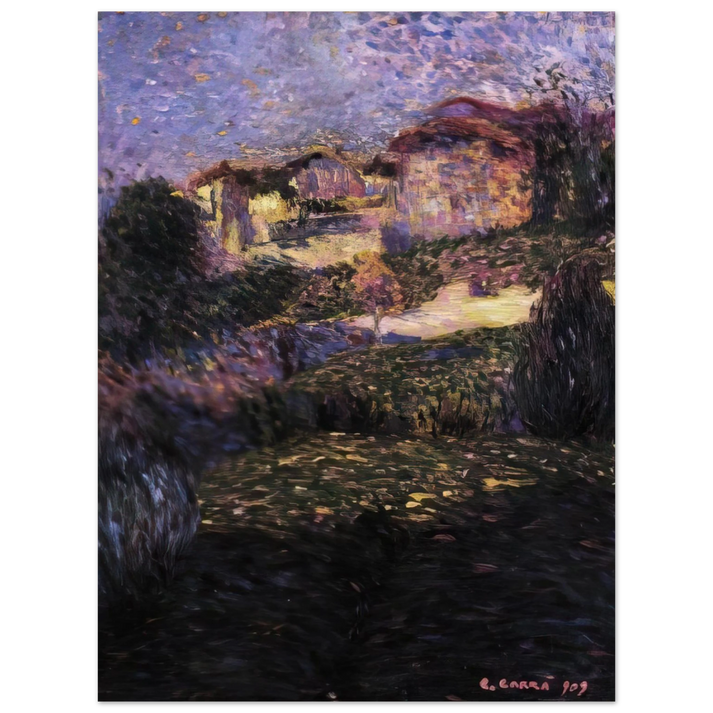
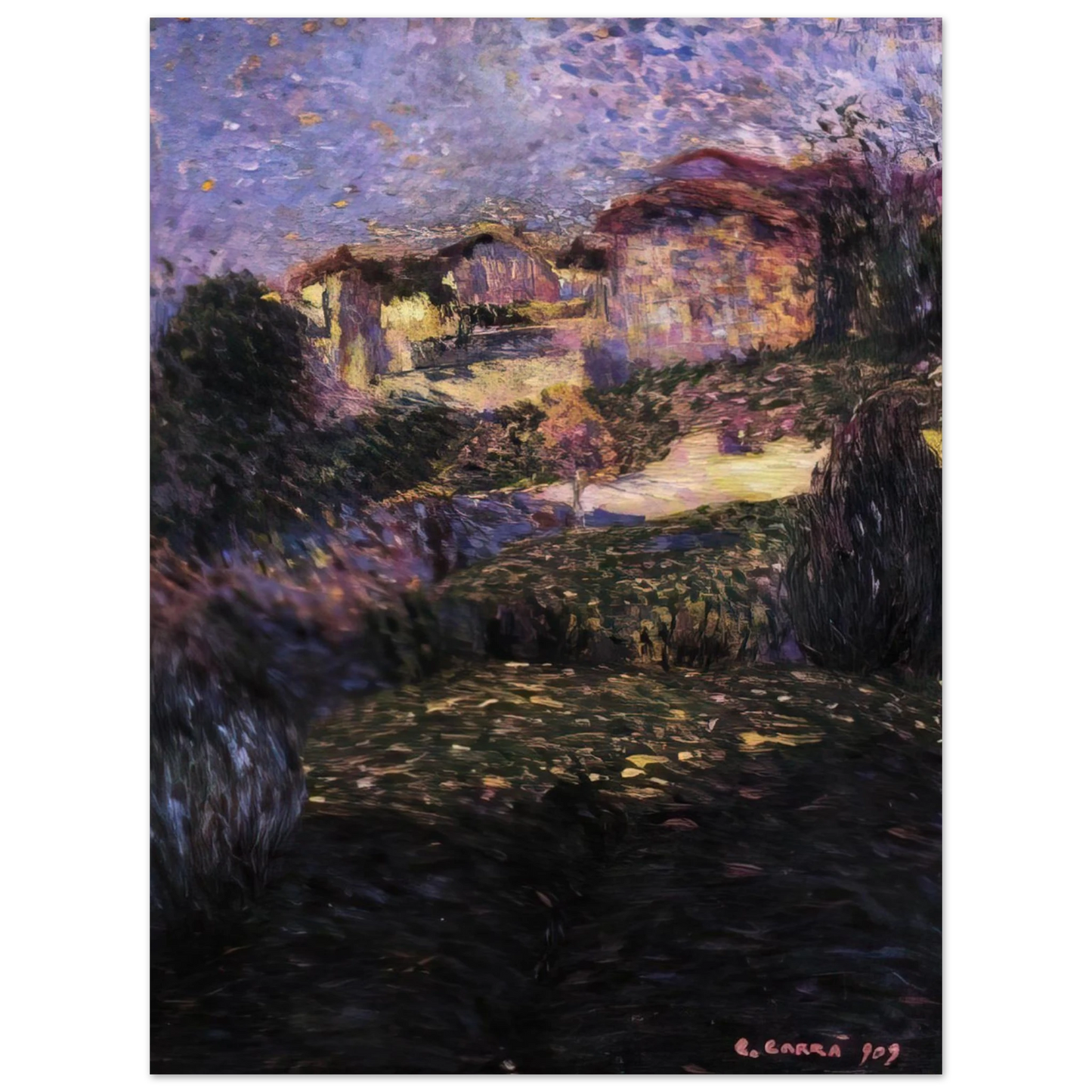
Carlo Carra - PAESAGGIO 1909 75x100 cm / 30x40inches Fine Art Poster
Carlo Carra - PAESAGGIO 1909 75x100 cm / 30x40inches Fine Art Poster
Couldn't load pickup availability
Immerse Your Space in the Kinetic Brilliance of Carlo Carrà's Paesaggio 1909
Elevate your interior with a museum-quality reproduction of Carlo Carrà's Paesaggio 1909. This masterwork captures a critical juncture in art history, where Carrà began his transition from the meticulous light-play of Divisionism toward the explosive energy of the Futurist movement. As an elite fine art print, this piece reflects the vibrating atmosphere of the early 20th-century Italian landscape, rendered with a sophistication that only a curated RedKalion reproduction can offer.
The RedKalion Master’s Edition: Uncompromising Archival Excellence
Our commitment to preserving artistic integrity is reflected in the physical construction of every print. This museum-quality reproduction is printed on our exclusive Master's Edition archival paper. The natural white (off-white) hue provides a luxurious, historically accurate foundation that enhances the color depth of Carrà’s palette without the distracting glare of traditional glossy finishes.
- Archival Longevity: Acid-free (pH above 7) chemistry prevents yellowing, ensuring your investment remains a vibrant heirloom for decades.
- Substantial Weight: At 250 gsm (110 lb) and 0.29 mm thickness, the paper offers a premium, robust feel synonymous with high-end gallery collections.
- Sustainable Ethics: We utilize FSC-certified paper, honoring the environment while celebrating the history of human creativity.
- Matte Finish: The uncoated texture provides a sophisticated, tactile quality that allows the viewer to focus on the nuanced brushwork of the 1909 original.
By choosing RedKalion, you are not merely purchasing a poster; you are acquiring a piece of curated history. Our prints are fulfilled on demand with precision, ensuring that each Carlo Carrà fine art print arrives in pristine condition, ready to transform your space into a private gallery.
Discover Unlimited Art Possibilities
At RedKalion, you can find virtually any artwork from any artist, available in a wide range of sizes to perfectly match your space.
If you didn’t find what you’re looking for, contact us at support@redkalion.com . We will source any artwork and produce it in any size and format you need, including art prints, posters, canvas, framed pieces, framed canvas, and more.
For dedicated art enthusiasts, we also offer handcrafted replicas of any artwork, carefully painted by highly skilled artists using traditional techniques.
For custom requests, contact us at support@redkalion.com .
What characterizes the Master's Edition paper quality?
Our Master's Edition is a premium 250 gsm (110 lb) archival paper. It features a natural white, uncoated matte finish that provides a luxurious texture and eliminates glare, ensuring a museum-quality aesthetic for your Carlo Carrà reproduction.
How long will the print maintain its color integrity?
The print is produced on acid-free paper with a pH above 7. This archival-grade material prevents yellowing and degradation over time, guaranteeing that the vibrant tones of the 1909 landscape remain vivid for generations.
Is the paper sourced from sustainable materials?
Yes, RedKalion prioritizes environmental responsibility. All paper used for our fine art prints is FSC-certified, ensuring it comes from responsibly managed forests that provide environmental, social, and economic benefits.
How is the artwork shipped and fulfilled?
We operate on a professional print-on-demand model with no minimum orders. Each piece is meticulously packaged and shipped to ensure it arrives in gallery-ready condition, protected against the rigors of transit.
What is the physical feel and texture of the print?
The print features a matte, uncoated finish with a thickness of 0.29 mm (11.4 mils). This provides a heavy, premium feel with a sophisticated tactile quality that mirrors original gallery-held works.
What artistic movement does Paesaggio 1909 represent?
Paesaggio 1909 represents the transition from Divisionism to Futurism. Carlo Carrà uses fragmented light and rhythmic brushstrokes to evoke the dynamic energy and atmospheric movement that would soon define the Futurist manifesto.
Why is 1909 considered a pivotal year for Carlo Carrà?
In 1909, Carrà met Filippo Tommaso Marinetti, leading to the 1910 Manifesto of Futurist Painters. Paesaggio 1909 captures the artist at the precipice of this revolution, blending classical technique with emerging modernism.