RedKalion
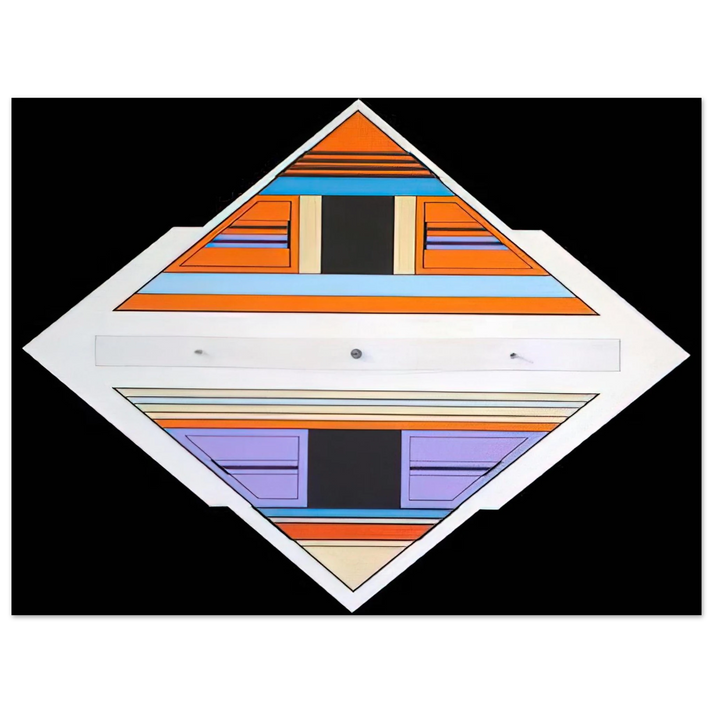
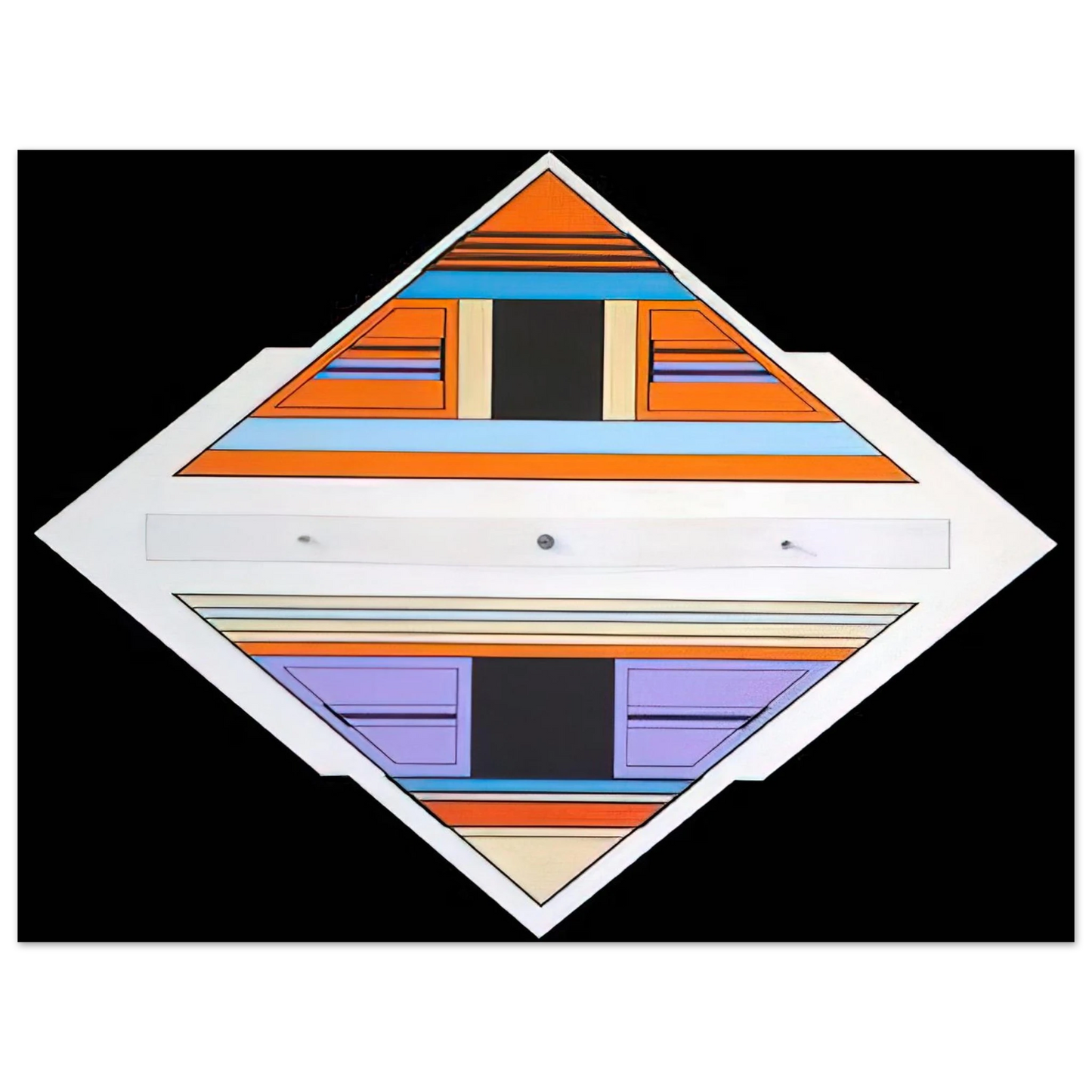
Carmelo Arden Quin - Elan - 1989 75x100 cm / 30x40inches Fine Art Poster
Carmelo Arden Quin - Elan - 1989 75x100 cm / 30x40inches Fine Art Poster
Couldn't load pickup availability
The Visionary Geometry of Carmelo Arden Quin: Elan (1989)
Experience the rhythmic precision of Carmelo Arden Quin with this museum-quality reproduction of his 1989 masterpiece, Elan. As a founding figure of the MADI movement, Arden Quin sought to liberate art from the traditional confines of the rectangular frame, emphasizing invention and non-representational geometry. Elan serves as a profound example of his late-career prowess, where playful color palettes meet structured, architectural forms to create a sense of dynamic equilibrium.
This fine art print captures the original's vibrant energy through RedKalion’s commitment to archival excellence. Every museum-quality reproduction is meticulously crafted to ensure the subtle nuances of Arden Quin’s composition are preserved with absolute fidelity. The matte, natural white finish of the paper provides a sophisticated, non-reflective surface that allows the geometric shapes to interact organically with your space's lighting.
Archival Craftsmanship and Premium Materials
At RedKalion, we believe that world-class art deserves world-class materials. This fine art print is produced on our Master's Edition archival paper, specifically selected for its luxurious texture and longevity. The technical specifications ensure a piece that endures for generations:
- Weight & Thickness: A substantial 250 gsm (110 lb) paper with a thickness of 0.29 mm (11.4 mils) for a premium, heavy-weight feel.
- Acid-Free Integrity: With a pH value above 7, our paper is acid-free, preventing the yellowing or degradation typically seen in lower-quality prints.
- Sustainable Excellence: We utilize FSC-certified paper, reflecting a commitment to both artistic beauty and environmental responsibility.
- Uncoated Texture: The natural white (off-white) finish offers a tactile, sophisticated depth that elevates the viewing experience beyond standard posters.
By choosing RedKalion, you are investing in a piece of art history rendered with modern precision. This print of Elan (1989) is not merely a decoration; it is an archival masterpiece that honors the legacy of Arden Quin and the transformative power of concrete art.
Discover Unlimited Art Possibilities
At RedKalion, you can find virtually any artwork from any artist, available in a wide range of sizes to perfectly match your space.
If you didn’t find what you’re looking for, contact us at support@redkalion.com . We will source any artwork and produce it in any size and format you need, including art prints, posters, canvas, framed pieces, framed canvas, and more.
For dedicated art enthusiasts, we also offer handcrafted replicas of any artwork, carefully painted by highly skilled artists using traditional techniques.
For custom requests, contact us at support@redkalion.com .
What are the dimensions of this Carmelo Arden Quin print?
The Elan (1989) fine art print is available in a 75x100 cm (30x40 inches) format, perfectly capturing the grand scale and geometric complexity intended by the artist.
What defines the paper quality of the Elan (1989) reproduction?
We use Master's Edition archival paper. It is a 250 gsm (110 lb) museum-quality paper with a matte, uncoated, natural white finish that ensures a luxurious, non-reflective texture.
Is this print archival and resistant to aging?
Yes. The paper is acid-free (pH above 7), which prevents yellowing and ensures your museum-quality reproduction remains vibrant and intact for decades.
How does RedKalion handle the shipping of fine art prints?
All orders are printed and shipped on demand with no minimum requirements. Each print is carefully packaged to ensure it arrives at your door in pristine condition.
Is the paper used for this print sustainably sourced?
Absolutely. We use FSC-certified paper (Forest Stewardship Council), ensuring that your artwork is produced following the highest environmental and social sustainability standards.
Who was Carmelo Arden Quin?
Carmelo Arden Quin (1913–2010) was a Uruguayan artist and co-founder of the MADI movement. He is celebrated for his revolutionary geometric abstraction and for breaking the traditional 'orthogonal' frame.
What is the significance of the MADI movement in Elan?
The MADI movement focused on 'invention' and geometric rigor. Elan (1989) reflects these principles through its balanced use of color and non-representational forms, prioritizing the object's physical presence.