RedKalion
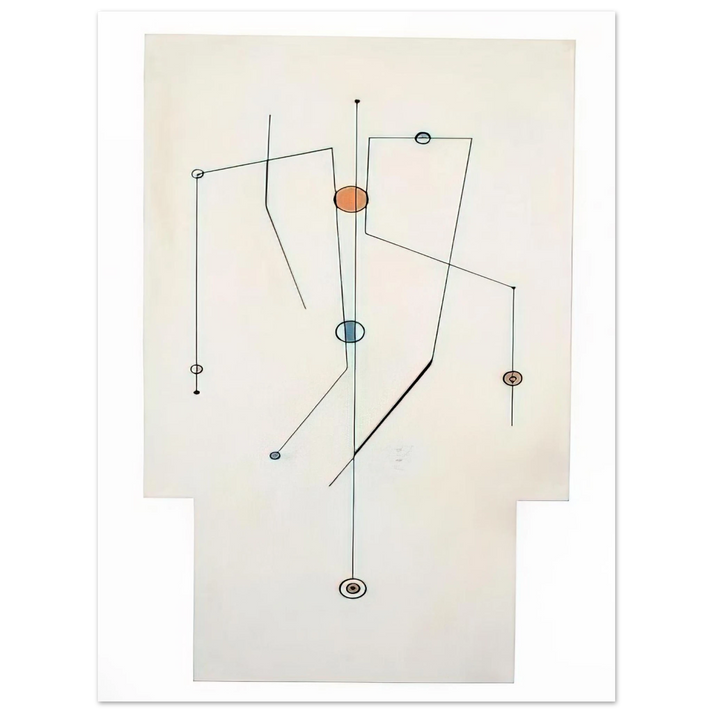
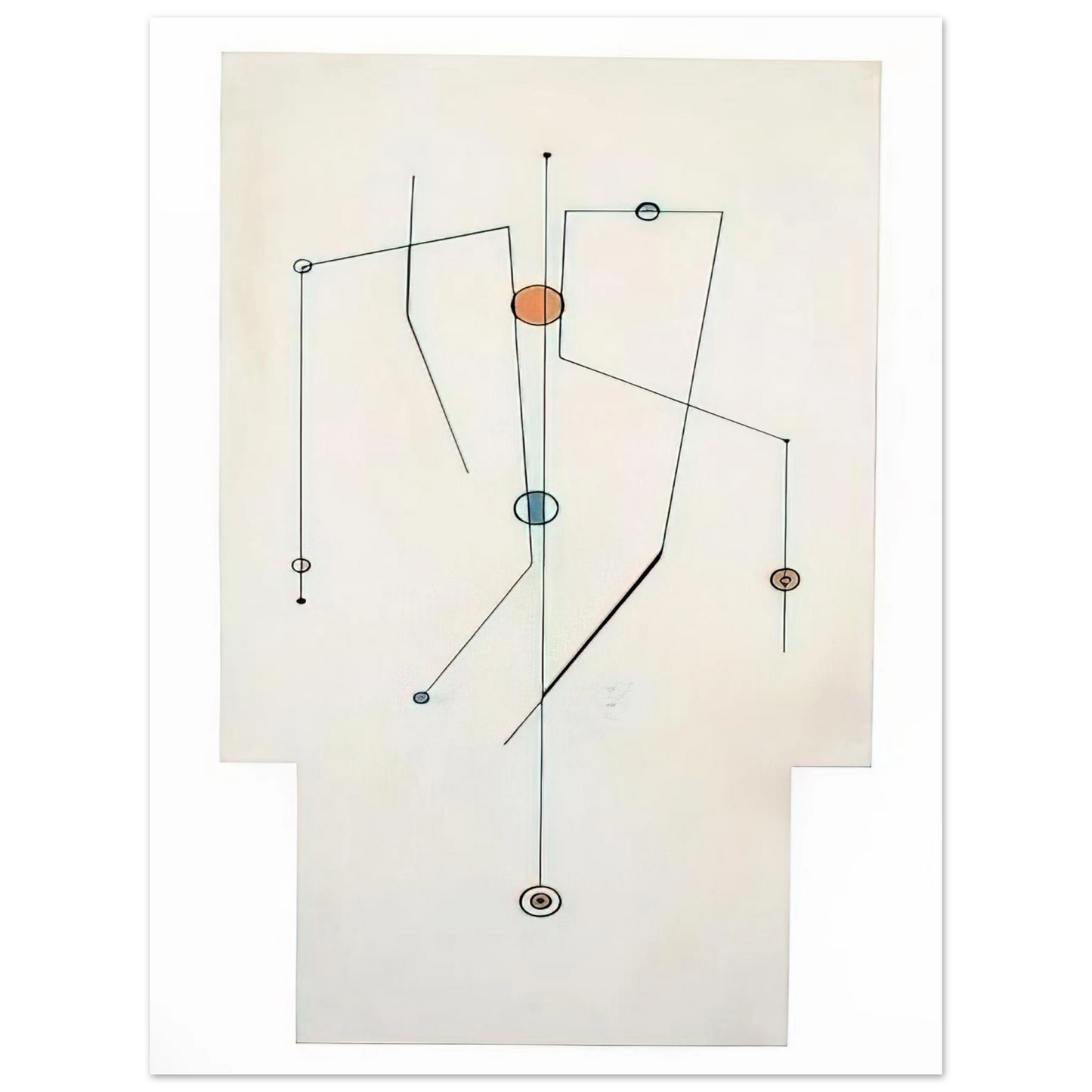
Carmelo Arden Quin - Ilke - 1951 75x100 cm / 30x40inches Fine Art Poster
Carmelo Arden Quin - Ilke - 1951 75x100 cm / 30x40inches Fine Art Poster
Couldn't load pickup availability
Experience Geometric Precision: Ilke (1951) by Carmelo Arden Quin
A seminal figure in the 20th-century avant-garde, Carmelo Arden Quin challenged the constraints of traditional art. His 1951 masterpiece, Ilke, serves as a definitive expression of the Madí movement’s ethos—prioritizing invention, movement, and the liberation of form. This museum-quality reproduction captures the vibrant geometric dialogue and structural rigor that defined the artist's peak years in Paris.
At RedKalion, we believe such historical significance deserves the finest medium. Our fine art print of Ilke is rendered on Master's Edition archival paper. This premium, off-white matte finish ensures that the subtle shifts in Arden Quin's palette are reproduced with absolute fidelity, free from glare and rich in texture.
- Museum-Grade Quality: Printed on heavy 250 gsm (110 lb) paper with a thickness of 0.29 mm for a substantial, premium feel.
- Archival Longevity: Acid-free and alkaline-buffered (pH above 7) to prevent yellowing and ensure your investment remains pristine for generations.
- Authentic Texture: An uncoated, natural white surface that mirrors the tactile depth of an original gallery piece.
- Sustainability: Each print utilizes FSC-certified paper, honoring the legacy of art through environmental responsibility.
By choosing this RedKalion edition, you are not merely purchasing a poster; you are acquiring a piece of art history. Elevate your interior with a sophisticated, archival masterpiece that embodies the spirit of South American abstraction and European modernism.
Discover Unlimited Art Possibilities
At RedKalion, you can find virtually any artwork from any artist, available in a wide range of sizes to perfectly match your space.
If you didn’t find what you’re looking for, contact us at support@redkalion.com . We will source any artwork and produce it in any size and format you need, including art prints, posters, canvas, framed pieces, framed canvas, and more.
For dedicated art enthusiasts, we also offer handcrafted replicas of any artwork, carefully painted by highly skilled artists using traditional techniques.
For custom requests, contact us at support@redkalion.com .
What makes the RedKalion reproduction of Ilke (1951) special?
Our reproduction uses Master's Edition archival paper and advanced printing techniques to capture Carmelo Arden Quin's geometric precision. We ensure museum-quality fidelity that respects the historical significance of the original 1951 composition.
What are the technical specifications of the paper used?
We use 250 gsm (110 lb) paper with a thickness of 0.29 mm (11.4 mils). It is a matte, uncoated, natural white paper that provides a luxurious, glare-free texture suitable for high-end interiors.
How does the archival quality prevent the print from aging?
The paper is acid-free with a pH value above 7. This alkaline buffering prevents the paper from yellowing or becoming brittle, ensuring the artwork maintains its original vibrance for decades.
Is the paper used for this fine art print sustainable?
Yes, all our prints are made using FSC-certified paper. This ensures that the materials are sourced from responsibly managed forests, aligning artistic luxury with environmental preservation.
How are orders fulfilled and shipped?
RedKalion operates on a print-on-demand basis with no minimum order requirements. Each print is carefully packaged and shipped to ensure it arrives in gallery-ready condition at your doorstep.
Who was Carmelo Arden Quin and what is the Madí movement?
Arden Quin was a Uruguayan artist and co-founder of the Madí movement. Madí focused on non-figurative art, invention, and breaking traditional frame boundaries, emphasizing the artwork as a physical object of pure geometry.
What does Ilke represent in Arden Quin’s 1951 period?
Created during his influential time in Paris, Ilke (1951) represents Arden Quin's transition toward refined geometric balance and rhythmic color interplay, showcasing the maturity of the Madí aesthetic in a European context.