

RedKalion
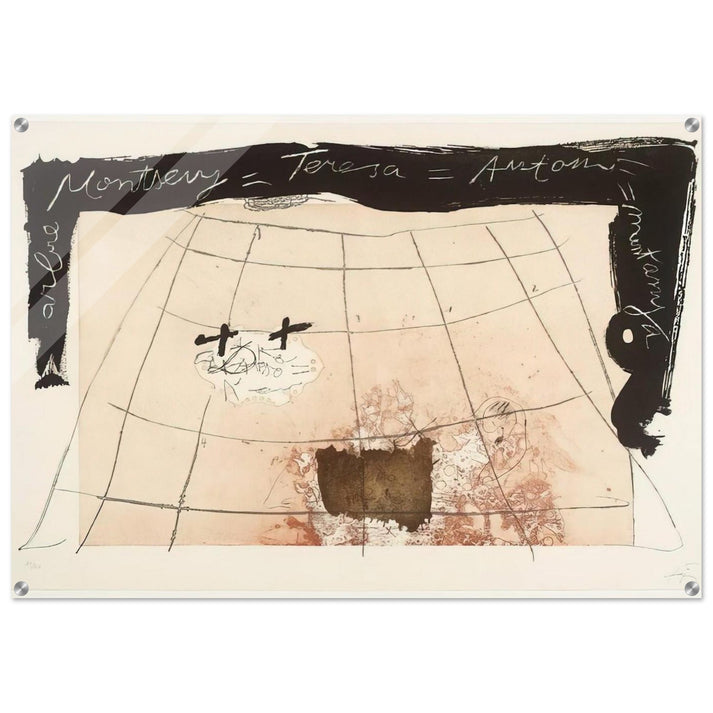
CARTOGRAPHY 1976 - Antoni Tapies Acrylic Print - 70x100 cm / 28x40″ inches | Antoni Tapies Wall Art | Antoni Tapies Prints
CARTOGRAPHY 1976 - Antoni Tapies Acrylic Print - 70x100 cm / 28x40″ inches | Antoni Tapies Wall Art | Antoni Tapies Prints
Couldn't load pickup availability
The Materiality of Memory: Antoni Tàpies’ Cartography 1976
Elevate your collection with Cartography 1976, a seminal work by the legendary Spanish artist Antoni Tàpies. This museum-quality reproduction captures the raw, tactile essence of Tàpies' signature style—Art Informel. As a pioneer of 'matter painting,' Tàpies transformed the canvas into a wall of history; this 1976 piece serves as a profound meditation on territory, identity, and the physical nature of existence.
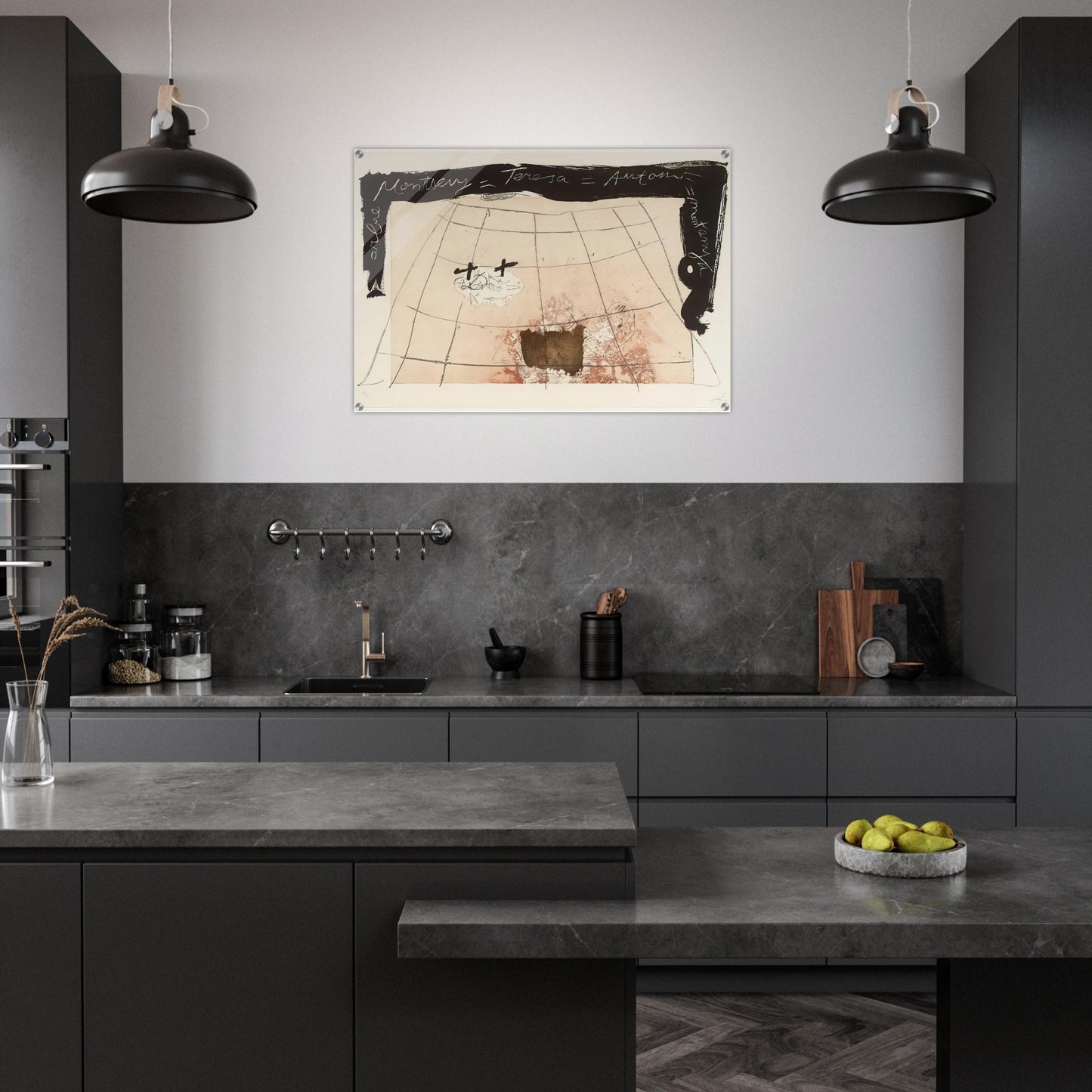
At RedKalion, we have curated this Antoni Tàpies wall art to bridge the gap between historical significance and modern aesthetic. Rendered on premium 4mm (0.15") acrylic, the artwork gains a sleek, vibrant finish that enhances the depth of Tàpies' complex marks. The transparency of the medium provides a luminous quality that traditional paper cannot replicate, making this fine art print a focal point in any contemporary space.
Our commitment to archival excellence ensures that your investment endures. The Antoni Tàpies prints we offer are produced with meticulous attention to detail, utilizing state-of-the-art printing technology that honors the artist's original vision while providing the durability required for modern interiors.
- Material: 4mm (0.15") high-grade acrylic for a vibrant, long-lasting finish.
- Sophisticated Design: Sleek straight-cut corners for a professional gallery appearance.
- Installation Ready: Includes a comprehensive hanging kit with screws and pre-drilled holes at each corner (14mm from the edge).
- Optimal Presentation: Transparent backgrounds default to white to ensure the colors of the Tàpies masterpiece remain true to the original.
Position your space as a sanctuary of culture with an archival masterpiece that endures. RedKalion is proud to provide the definitive edition of this avant-garde classic.


Discover Unlimited Art Possibilities
At RedKalion, you can find virtually any artwork from any artist, available in a wide range of sizes to perfectly match your space.
If you didn’t find what you’re looking for, contact us at support@redkalion.com . We will source any artwork and produce it in any size and format you need, including art prints, posters, canvas, framed pieces, framed canvas, and more.
For dedicated art enthusiasts, we also offer handcrafted replicas of any artwork, carefully painted by highly skilled artists using traditional techniques.
For custom requests, contact us at support@redkalion.com .
What defines the quality of this Antoni Tàpies acrylic print?
RedKalion utilizes 4mm (0.15") premium acrylic, offering a vibrant and durable finish. This museum-quality material provides superior depth and clarity compared to standard prints, ensuring a sophisticated, gallery-grade presentation.
Is the hanging hardware included with the artwork?
Yes, each print includes a specialized hanging kit. This includes screws and pre-drilled holes at each corner (14mm from the edge, 8mm diameter) with 15mm screw heads for a secure and easy installation.
How does the acrylic finish impact the visual depth of Cartography 1976?
The sleek 4mm acrylic surface creates a high-gloss effect that enhances the intricate textures of Tàpies' work. This results in more vibrant colors and a three-dimensional feel that elevates the overall visual experience.
What are the shipping and handling protocols for museum-quality prints?
RedKalion employs rigorous archival packaging standards. Each Antoni Tàpies print is securely crated and shipped via specialist logistics providers to ensure it arrives in pristine, gallery-ready condition.
Will the colors of this print fade over time?
Our acrylic prints are designed for archival longevity. The materials used provide natural UV protection, preserving the integrity of the pigments and ensuring your fine art print remains vibrant for decades.
What is the significance of the year 1976 in Tàpies' career?
1976 was a pivotal year for Tàpies, coinciding with Spain's transition toward democracy. His work during this era became increasingly focused on social identity, using symbols and maps as metaphors for political and personal freedom.
What does the Cartography theme represent in Tàpies' artistic language?
In Tàpies' lexicon, Cartography explores the relationship between humanity and the earth. It represents the mapping of memory and the tactile exploration of the physical world through 'Art Informel' techniques.