RedKalion
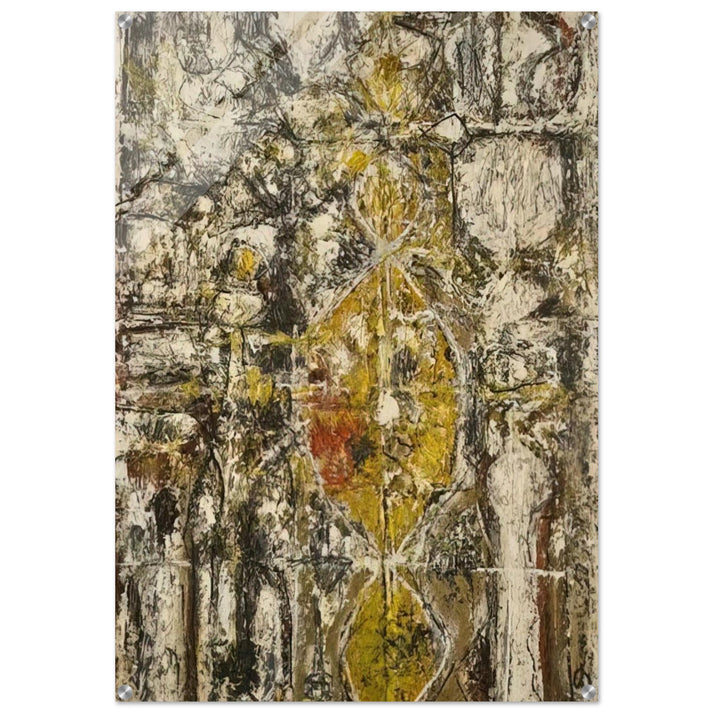
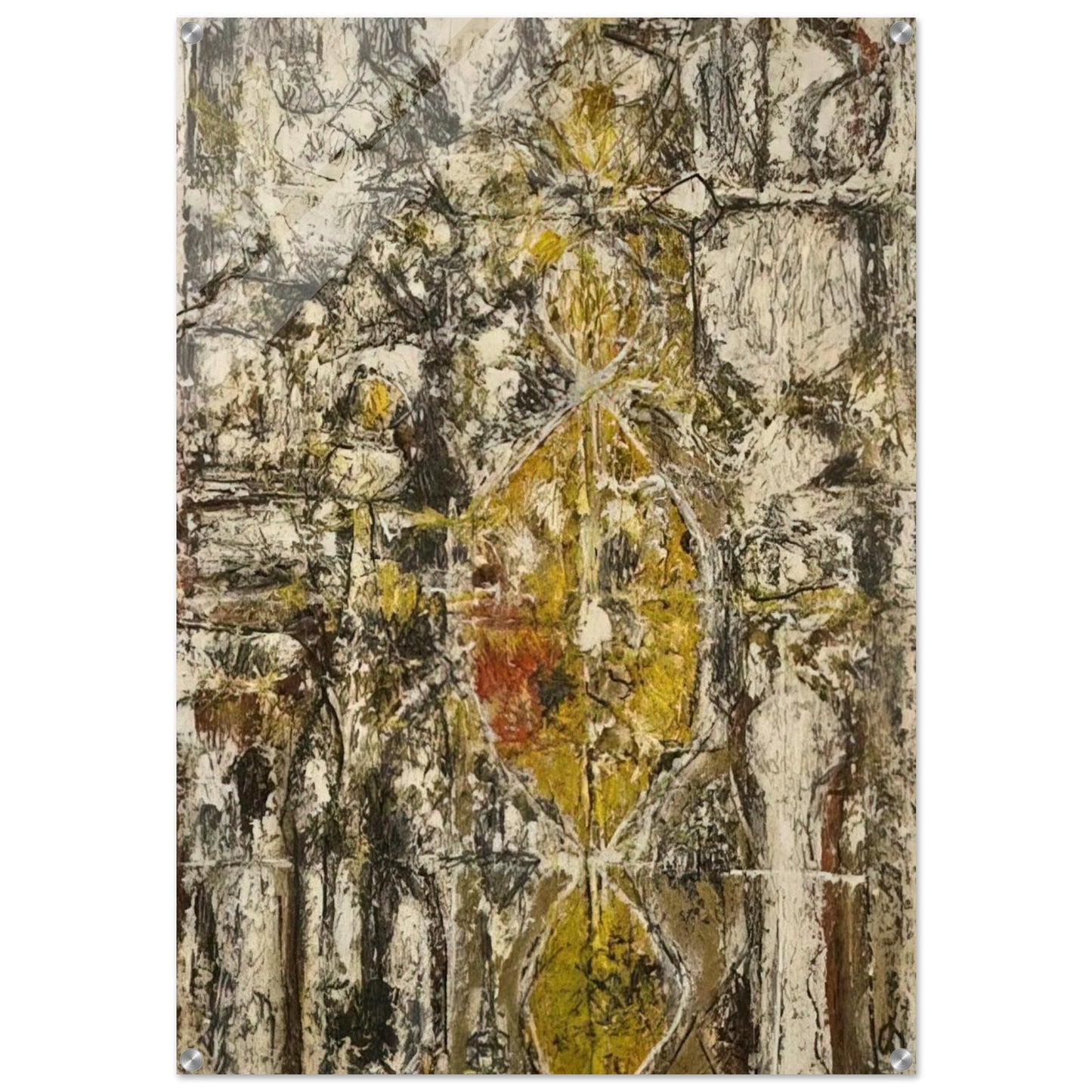
Cascella II - 1952 - Richard Pousette-Dart Acrylic Print - 70x100 cm / 28x40″ inches | Richard Pousette-Dart Wall Art | Richard Pousette-Dart Prints
Cascella II - 1952 - Richard Pousette-Dart Acrylic Print - 70x100 cm / 28x40″ inches | Richard Pousette-Dart Wall Art | Richard Pousette-Dart Prints
Couldn't load pickup availability
Elevate Your Space with Richard Pousette-Dart’s Cascella II (1952)
Experience the profound luminosity of mid-century American abstraction with Cascella II - 1952, a seminal work by Richard Pousette-Dart. As a founding member of the New York School, Pousette-Dart occupied a unique space within Abstract Expressionism, favoring intricate, rhythmic compositions that explore the intersections of the physical and the spiritual. This masterpiece, rendered in 1952, showcases his signature 'all-over' technique, where pulsating points of energy and light create a cosmic tapestry of depth and movement.
Our Richard Pousette-Dart wall art reproduction captures the granular detail and spiritual resonance of the original canvas. Printed on premium 4mm (0.15") acrylic, this piece transforms the artist's heavy impasto and complex layering into a vibrant, modern display. The acrylic medium enhances the inherent light within the composition, providing a depth and clarity that traditional paper prints cannot match.
The RedKalion Archival Standard
At RedKalion, we curate museum-quality reproductions that honor the legacy of the masters. This acrylic print is not merely a decorative piece; it is an archival-grade artifact designed to endure for generations. The sleek, straight-cut corners and transparent depth offer a sophisticated aesthetic that complements both contemporary and classic interiors.
- Premium Material: 4mm (0.15") thick acrylic for a high-gloss, shatter-resistant finish.
- Sophisticated Hardware: Includes a comprehensive hanging kit with four silver-finish standoffs.
- Precise Engineering: Pre-drilled holes at each corner (14mm from the edge) ensure a seamless and secure installation.
- Visual Depth: The 4mm profile creates a stunning glass-like effect that makes the colors pop.
By choosing this Richard Pousette-Dart print, you are investing in a piece of art history that has been meticulously adapted for the modern collector. Let Cascella II bring its meditative energy and sophisticated abstraction into your private gallery.
Discover Unlimited Art Possibilities
At RedKalion, you can find virtually any artwork from any artist, available in a wide range of sizes to perfectly match your space.
If you didn’t find what you’re looking for, contact us at support@redkalion.com . We will source any artwork and produce it in any size and format you need, including art prints, posters, canvas, framed pieces, framed canvas, and more.
For dedicated art enthusiasts, we also offer handcrafted replicas of any artwork, carefully painted by highly skilled artists using traditional techniques.
For custom requests, contact us at support@redkalion.com .
What materials are used for this Richard Pousette-Dart print?
We use premium 4mm (0.15") thick acrylic. This provides a vibrant, high-gloss finish and exceptional durability compared to standard glass, ensuring your fine art print remains a centerpiece for years.
Does the acrylic print come ready to hang?
Yes, each print includes a professional hanging kit with screws and standoffs. The acrylic features four pre-drilled holes (8mm diameter) located 14mm from the corners for a secure, floating installation.
How long will the colors and clarity of the print last?
Our archival-grade printing process ensures long-term UV resistance. The 4mm acrylic protects the pigments from environmental factors, preserving the vibrancy and detail of Pousette-Dart’s complex work indefinitely.
How is the artwork protected during shipping?
We use specialized, high-impact packaging to secure the acrylic. Each piece is meticulously wrapped to prevent scratches or cracks, ensuring your museum-quality reproduction arrives in pristine condition.
How should I clean and maintain my acrylic wall art?
To maintain the sleek finish, use a soft, non-abrasive microfiber cloth. Avoid harsh chemicals or glass cleaners; a damp cloth is usually sufficient to remove dust and maintain the print's clarity.
Who was Richard Pousette-Dart in the history of art?
Richard Pousette-Dart (1916–1992) was a pioneer of Abstract Expressionism. Unlike his contemporaries, he focused on 'transcendental' abstraction, using thick paint and pointillist dots to suggest spiritual and cosmic themes.
What is the significance of the year 1952 in Pousette-Dart's work?
By 1952, Pousette-Dart had moved to Rockland County, where his work became increasingly focused on light and the 'presence' of the painting. Cascella II reflects this period of intense spiritual and formal exploration.