
RedKalion
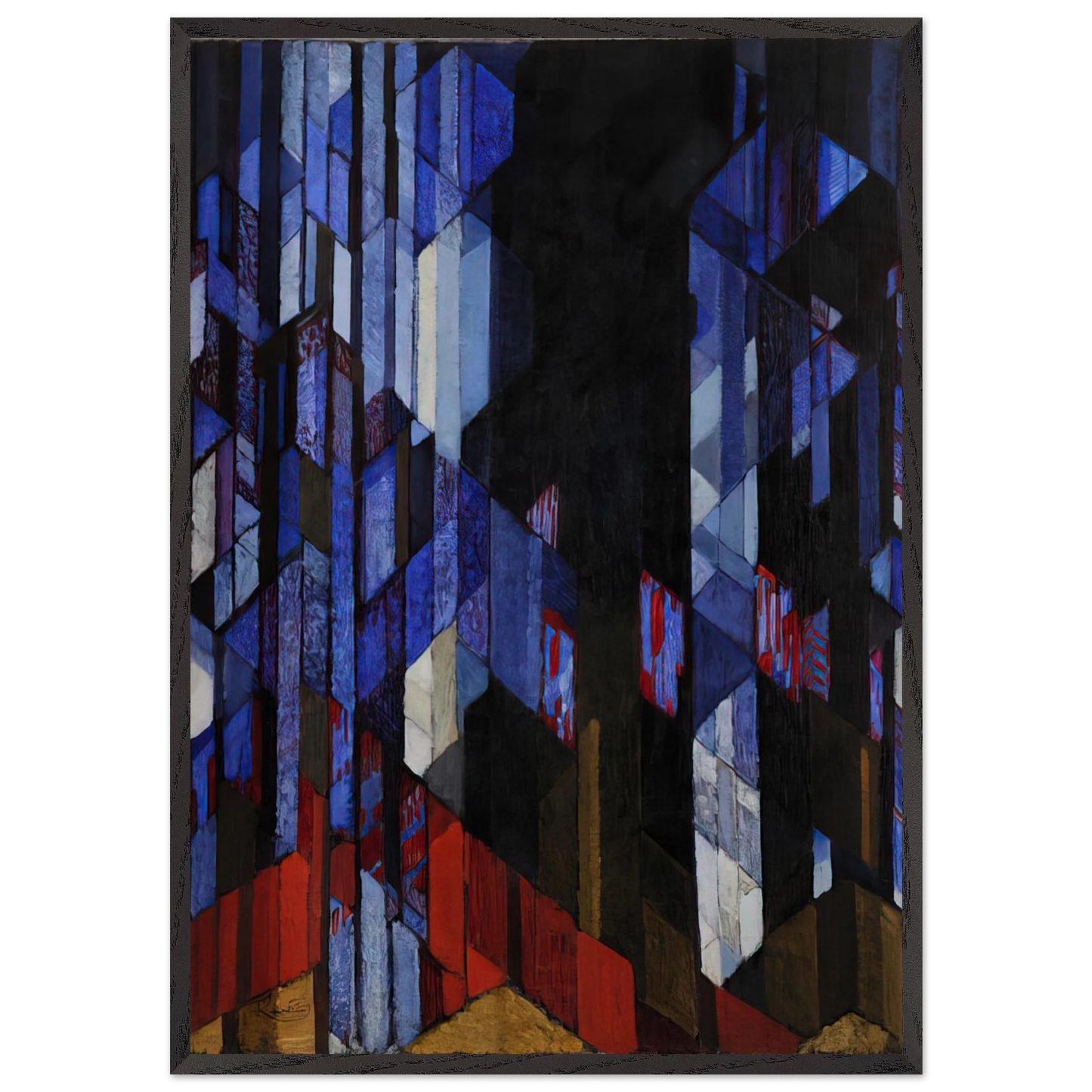
Cathedral N2 - Frantisek Kupka 70x100 cm / 28x40 inches Framed Art Print – Black Wooden Frame
Cathedral N2 - Frantisek Kupka 70x100 cm / 28x40 inches Framed Art Print – Black Wooden Frame
Couldn't load pickup availability
Elevate Your Space with Frantisek Kupka's Abstract Masterpiece
Experience the profound verticality and rhythmic energy of Cathedral N2 (Cathédrale), a seminal work by the pioneer of abstraction, Frantisek Kupka. This museum-quality reproduction captures the artist's visionary transition from Symbolism to pure geometric abstraction. Painted between 1912 and 1913, this piece is a cornerstone of the Orphism movement, where Kupka utilized vibrant colors and intersecting planes to evoke the spiritual soaring of Gothic architecture without relying on representational forms.
Authentic Artistry Meets Archival Precision
At RedKalion, we treat every fine art print as a legacy piece. This reproduction is meticulously rendered on 250 gsm (110 lb) natural white, archival-grade paper. The matte, uncoated finish ensures a sophisticated, glare-free viewing experience that honors Kupka’s original intent. By using acid-free, FSC-certified materials, we ensure that the deep blues and resonant reds of this abstract masterpiece remain vibrant for generations.
The RedKalion Framing Excellence
Your Cathedral N2 framed art print is encased in a premium black frame crafted from responsibly sourced oak and ash. Designed for presence, the frame features a 20mm (0.79") thickness and width, providing a sturdier and more refined profile than standard 14mm alternatives. To preserve the integrity of the print, we utilize shatterproof plexiglass, offering museum-level clarity and protection against the elements.
- Artist: Frantisek Kupka (1871–1957)
- Paper: 250 gsm museum-quality, natural white, matte finish.
- Frame: Sustainably sourced black wood (20mm profile).
- Protection: Shatterproof transparent plexiglass.
- Ready-to-hang: Includes hanging kit for immediate installation.
Invest in an archival masterpiece that transforms your interior into a private gallery. RedKalion is dedicated to providing the definitive edition of Kupka’s work, blending historical significance with unrivaled material quality.
Discover Unlimited Art Possibilities
At RedKalion, you can find virtually any artwork from any artist, available in a wide range of sizes to perfectly match your space.
If you didn’t find what you’re looking for, contact us at support@redkalion.com . We will source any artwork and produce it in any size and format you need, including art prints, posters, canvas, framed pieces, framed canvas, and more.
For dedicated art enthusiasts, we also offer handcrafted replicas of any artwork, carefully painted by highly skilled artists using traditional techniques.
For custom requests, contact us at support@redkalion.com .
What makes the paper quality of this Kupka print unique?
We use 250 gsm (110 lb) natural white, archival museum-quality paper. Its matte, uncoated finish prevents glare while ensuring long-term durability and color accuracy for Frantisek Kupka's vibrant abstract works.
How is the Cathedral N2 framed art print constructed?
The print is mounted in a 20mm thick black frame made from responsibly sourced oak or ash. This premium profile provides superior stability compared to thinner frames, protecting your investment in fine art.
Is the artwork protected during shipping and display?
Yes, we use shatterproof plexiglass to protect the print surface from damage and UV exposure. Each framed print is securely packaged and includes a hanging kit for immediate, ready-to-hang installation.
Are the materials used for this print sustainable?
Absolutely. We use FSC-certified paper and wood or equivalent sustainable certifications, ensuring that your museum-quality reproduction supports responsible forestry and environmental conservation.
What is the archival longevity of RedKalion prints?
By utilizing acid-free paper and archival-grade inks, our prints are designed to resist yellowing and fading, preserving the visual impact of Kupka’s Cathedral N2 for decades in a home environment.
What is the significance of Cathedral N2 in art history?
Cathedral N2 marks Kupka's evolution into Orphism and pure abstraction. Inspired by the stained glass and vertical lines of Gothic cathedrals, it uses geometry to explore spiritual and musical rhythms.
Who was Frantisek Kupka and why is he important?
Frantisek Kupka was a Czech painter and a key pioneer of the abstract art movement. He was among the first to abandon representational subjects in favor of color theory and non-figurative forms.