RedKalion
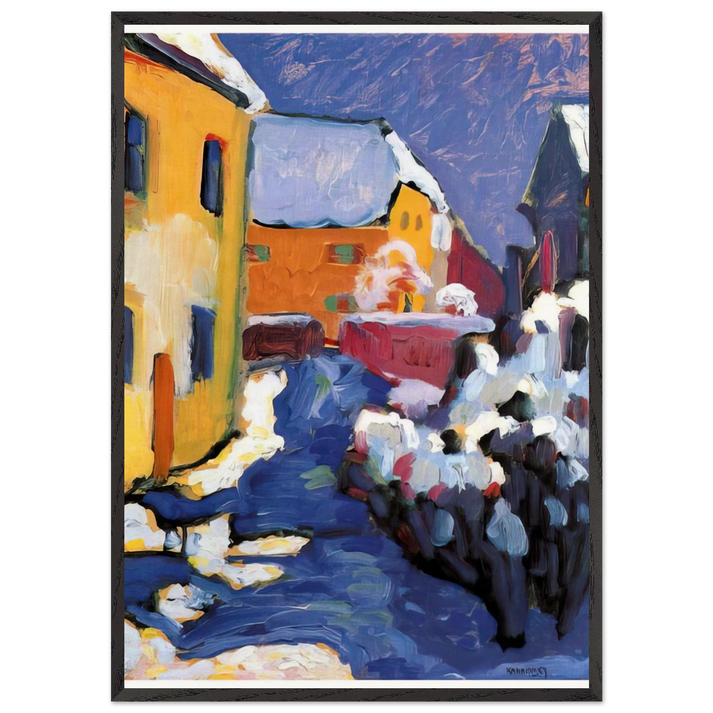
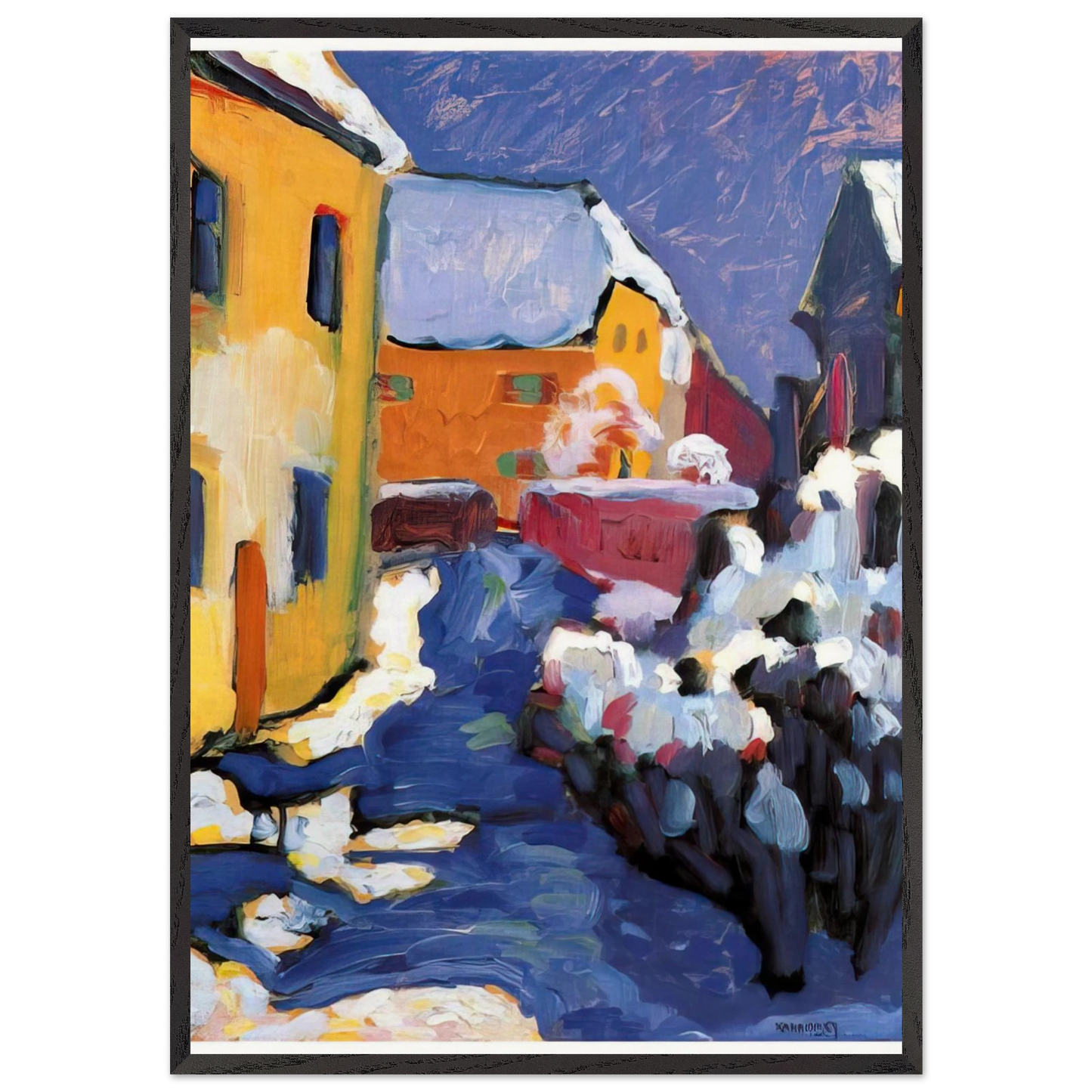
CEMETERY AND VICARAGE IN KOCHEL 1909 - Wassily Kandinsky 70x100 cm / 28x40 inches Framed Art Print – Black Wooden Frame
CEMETERY AND VICARAGE IN KOCHEL 1909 - Wassily Kandinsky 70x100 cm / 28x40 inches Framed Art Print – Black Wooden Frame
Couldn't load pickup availability
The Dawn of Abstraction: Cemetery and Vicarage in Kochel (1909)
Experience a pivotal moment in the evolution of modern art with Wassily Kandinsky’s Cemetery and Vicarage in Kochel. Painted in 1909, during the artist's transformative years in Upper Bavaria, this piece illustrates Kandinsky’s journey from Post-Impressionist landscapes toward the spiritual depth of pure abstraction. This fine art print captures the vibrant Fauvist color palette and the rhythmic, bold brushstrokes that define his early Expressionist period.
Museum-Grade Materials and Archival Quality
At RedKalion, we curate each reproduction to meet the standards of world-class galleries. This museum-quality reproduction is printed on 250 gsm (110 lb) natural white, archival-grade paper. The matte, uncoated finish eliminates glare, allowing the rich contrast of the black wooden frame to complement the intense hues of the Bavarian landscape. To ensure your investment endures, we utilize acid-free, FSC-certified materials that prevent yellowing over time.
Sophisticated Presentation and Construction
This 70x100 cm (28x40 inches) framed art print is housed in a premium black frame crafted from responsibly sourced oak and ash. Measuring 20mm (0.79") in thickness and width, the profile offers a substantial, contemporary feel that surpasses standard commercial frames. Each piece is protected by shatterproof, transparent plexiglass and arrives ready-to-hang, allowing you to elevate your space with an archival masterpiece that endures for generations.
- Artist: Wassily Kandinsky (1909).
- Paper: 250 gsm / 110 lb archival museum-quality paper.
- Frame: 20mm thick black wooden frame (oak and ash).
- Protection: Durable, shatterproof plexiglass for long-term clarity.
- Sustainability: FSC-certified wood and paper.
Discover Unlimited Art Possibilities
At RedKalion, you can find virtually any artwork from any artist, available in a wide range of sizes to perfectly match your space.
If you didn’t find what you’re looking for, contact us at support@redkalion.com . We will source any artwork and produce it in any size and format you need, including art prints, posters, canvas, framed pieces, framed canvas, and more.
For dedicated art enthusiasts, we also offer handcrafted replicas of any artwork, carefully painted by highly skilled artists using traditional techniques.
For custom requests, contact us at support@redkalion.com .
What are the specifications of the paper used for this Kandinsky print?
We use 250 gsm (110 lb) natural white, archival museum-quality paper. It is matte, uncoated, and acid-free, ensuring the vibrant colors of this Wassily Kandinsky fine art print remain vivid and resist yellowing for decades.
What materials are used for the black wooden frame?
The 70x100 cm frame is crafted from responsibly sourced oak and ash wood. It features a sophisticated 20mm thickness, providing a more robust and premium aesthetic than standard 14mm commercial frames.
How is the artwork protected during shipping and display?
Each framed art print is protected by shatterproof plexiglass, offering superior clarity and safety. We ship our museum-quality reproductions in secure, protective packaging to ensure they arrive in pristine condition.
Is the framed print ready to hang upon arrival?
Yes. Every RedKalion framed art print includes a professional hanging kit. The piece is fully assembled and ready to hang directly on your wall to immediately elevate your interior design.
Is the paper and wood used sustainably sourced?
Absolutely. We prioritize sustainability by using FSC-certified paper and wood (or equivalent certifications), ensuring that your museum-grade reproduction supports responsible forest management practices.
What is the historical significance of 'Cemetery and Vicarage in Kochel'?
Painted in 1909, this work marks Kandinsky's 'Murnau period.' It captures his transition from figurative landscape painting toward Abstraction, using non-naturalistic color to evoke spiritual and emotional resonance rather than mere visual representation.
Why did Kandinsky choose the Kochel landscape for this 1909 masterpiece?
Kochel am See offered Kandinsky a blend of rustic architecture and dramatic Bavarian nature. This setting allowed him to experiment with the 'inner necessity' of art, simplifying shapes into rhythmic color blocks that defined early Expressionism.