

RedKalion
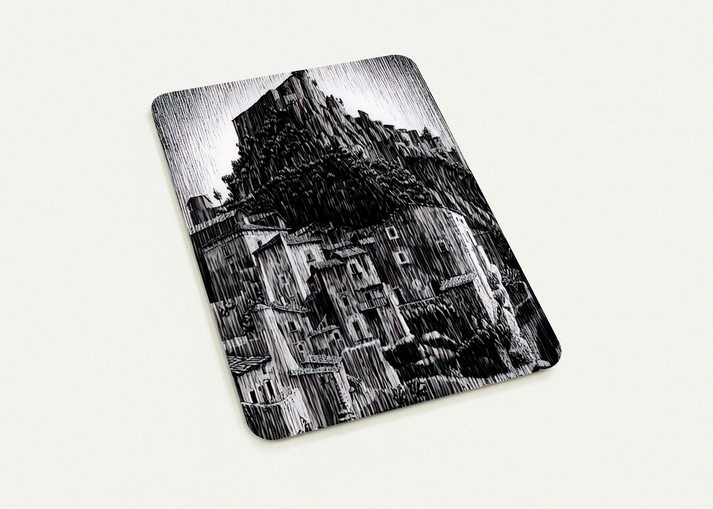
CERRO AL VOLTURNO ABRUZZI JANUARY 1930 1930 By MC Escher Pack of 10 Post Cards | MC Escher Post Cards | A6 (10.5 x 14.8 cm) - 4.1 x 5.8 inches
CERRO AL VOLTURNO ABRUZZI JANUARY 1930 1930 By MC Escher Pack of 10 Post Cards | MC Escher Post Cards | A6 (10.5 x 14.8 cm) - 4.1 x 5.8 inches
Couldn't load pickup availability
An Italian Vision: M.C. Escher’s Cerro al Volturno
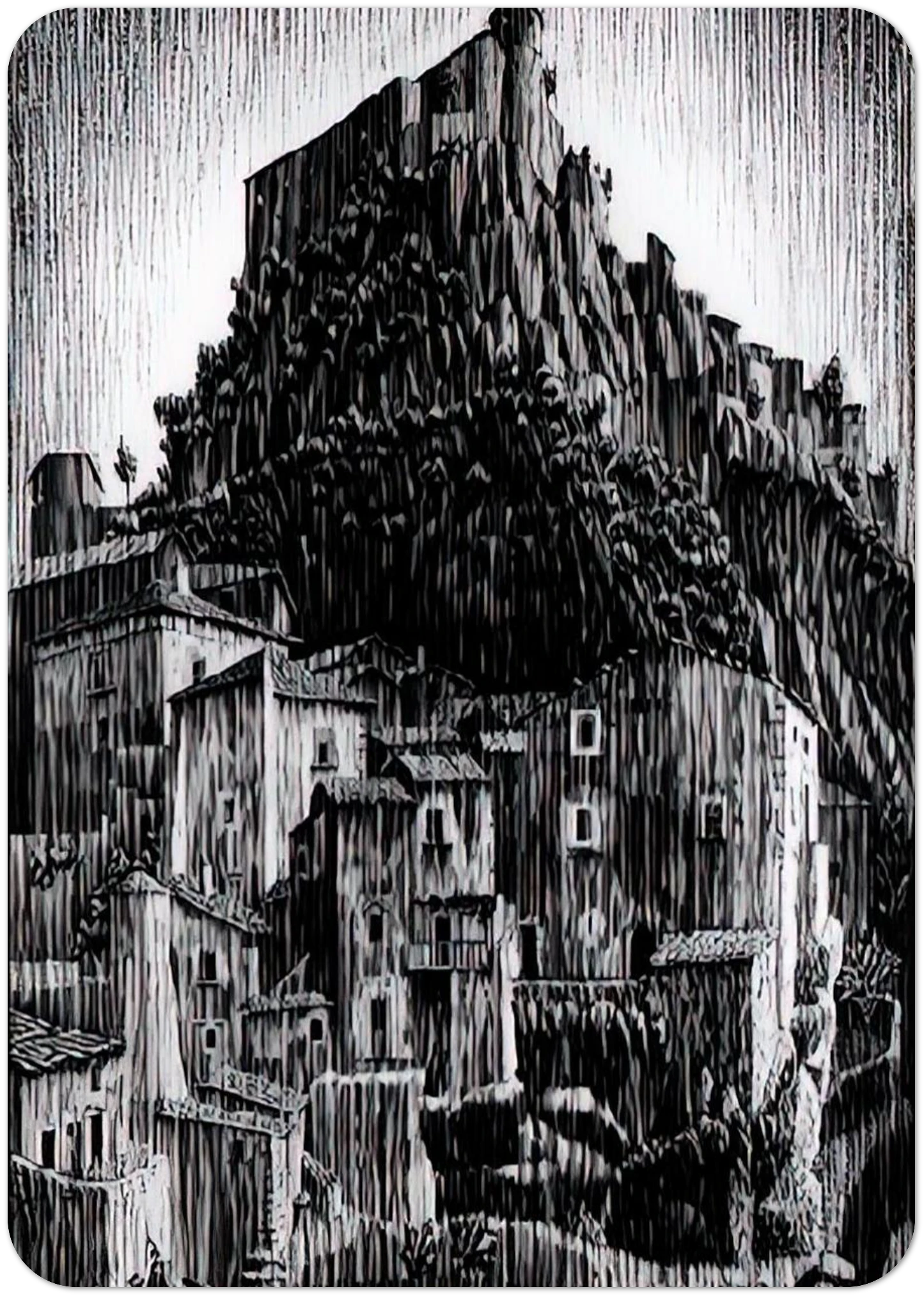
Step into the architectural geometry of 1930s Italy with this exquisite pack of 10 postcards featuring M.C. Escher’s 'Cerro al Volturno Abruzzi January 1930'. During his prolific Italian period, Maurits Cornelis Escher became mesmerized by the dramatic landscapes and ancient hill towns of the Abruzzi region. This work captures the stark beauty and intricate perspectives that would later evolve into his famous impossible constructions. As a fine art print of the highest caliber, each postcard serves as a window into Escher's mastery of light, shadow, and structural form.
The RedKalion Archival Standard
At RedKalion, we treat every reproduction as a museum-quality masterpiece. While standard commercial postcards utilize basic 4-color processes, our set is produced using advanced 12-color fine art printing technology. This ensures that the subtle tonal gradations and precise linework of Escher’s original vision are preserved with breathtaking accuracy and depth. Printed on 200 gsm (80 lb) FSC-certified paper with a thickness of 0.26 mm, these cards offer a substantial, tactile feel that honors the historical significance of the artwork.
Refined Details for the Discerning Collector
- Sophisticated Finish: A smooth matte finish provides a glare-free viewing experience, emphasizing the artwork’s contrast without distracting reflections.
- Eco-Conscious Curation: We utilize environmentally responsible, FSC-certified materials, ensuring your collection supports sustainable forestry.
- Enduring Quality: Archival-grade inks and premium paper guarantee that these cards will not yellow or fade, allowing you to share or display them with absolute confidence.
Whether used for sophisticated personal correspondence or kept as a curated miniature gallery, these A6 (10.5 x 14.8 cm) postcards elevate the everyday into the extraordinary. Experience the intersection of mathematical precision and artistic soul with a RedKalion reproduction that endures.


Discover Unlimited Art Possibilities
At RedKalion, you can find virtually any artwork from any artist, available in a wide range of sizes to perfectly match your space.
If you didn’t find what you’re looking for, contact us at support@redkalion.com . We will source any artwork and produce it in any size and format you need, including art prints, posters, canvas, framed pieces, framed canvas, and more.
For dedicated art enthusiasts, we also offer handcrafted replicas of any artwork, carefully painted by highly skilled artists using traditional techniques.
For custom requests, contact us at support@redkalion.com .
What makes these MC Escher postcards museum-quality?
Our postcards utilize 12-color fine art printing technology rather than standard 4-color inkjets. This provides superior color vibrancy and archival depth, capturing every intricate detail of Escher’s original 1930 Italian landscape with professional-grade precision.
What paper weight and finish are used for this set?
Each card is printed on premium 200 gsm (80 lb) FSC-certified paper with a 0.26 mm thickness. The smooth matte finish ensures a clean, glare-free display, making them perfect for framing or high-end correspondence.
How are these postcards produced and shipped?
RedKalion operates on a print-on-demand model to ensure maximum quality control and reduce waste. Every pack of 10 postcards is meticulously printed to order and shipped in protective packaging to prevent bending during transit.
How do 12-color prints compare to standard inkjet printing?
Standard printing often loses the subtle grey tones and sharp linework inherent in Escher’s art. Our 12-color process offers a wider color gamut and smoother transitions, resulting in a more faithful and vivid reproduction.
Are the materials used for these postcards environmentally conscious?
Yes. RedKalion is committed to sustainability. We use FSC-certified paper, which ensures the material comes from responsibly managed forests that provide environmental, social, and economic benefits.
What region of Italy is depicted in Cerro al Volturno?
This piece depicts a village in the Abruzzi region of Italy. Escher traveled extensively through this area in early 1930, drawn to the unique perspective of hill towns built directly into the rugged mountain landscape.
Why was 1930 a significant year for M.C. Escher’s work?
In 1930, Escher focused heavily on landscapes and lithography. This period was crucial for his development of spatial organization and perspective, which eventually laid the foundation for his later, more surreal and mathematical masterpieces.