

RedKalion
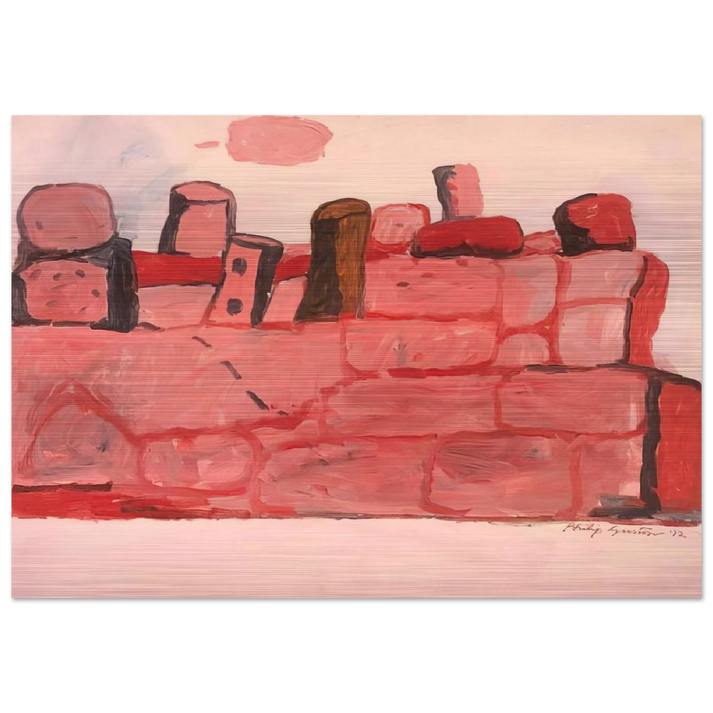
CERVETERI 1972 - Philip Guston Brushed Aluminum Print - 70x100 cm / 28x40 inches | Philip Guston Aluminum Print | Philip Guston Prints
CERVETERI 1972 - Philip Guston Brushed Aluminum Print - 70x100 cm / 28x40 inches | Philip Guston Aluminum Print | Philip Guston Prints
Couldn't load pickup availability
Elevate Your Collection with Philip Guston’s CERVETERI 1972
Experience the profound weight of history and the raw introspection of Philip Guston’s late figurative period with this museum-quality reproduction of CERVETERI 1972. Originally conceived during Guston's residency at the American Academy in Rome, this work captures the artist's fascination with the ancient Etruscan necropolis of Cerveteri. It represents a pivotal moment in art history where Guston moved beyond Abstract Expressionism into a bold, symbolic language that redefined contemporary painting.
A Masterpiece of Industrial Elegance
At RedKalion, we bridge the gap between historic artistry and modern materiality. This Philip Guston fine art print is rendered on premium 3mm (0.12") brushed silver Aluminum DIBOND®. This unique medium features a horizontal grain that adds a dynamic, shimmering quality to the composition. In areas where the original work features white or light tones, the raw metallic silver of the aluminum shines through, creating a sophisticated interplay between Guston’s heavy brushwork and the industrial substrate.
Unrivaled Print Specifications
- Material: Genuine Aluminum DIBOND® with a brushed silver metallic finish for a contemporary, rigid base.
- Printing: Direct-to-substrate UV printing ensures vivid color saturation and a refined matte finish.
- Glare-Free Viewing: The matte surface eliminates reflections, making it ideal for spaces with diverse lighting conditions.
- Durability: Highly resistant to fading and environmental factors, ensuring an archival-grade display that endures for generations.
- Ready to Hang: Each piece includes a specialized hanging kit tailored to your region for immediate installation.
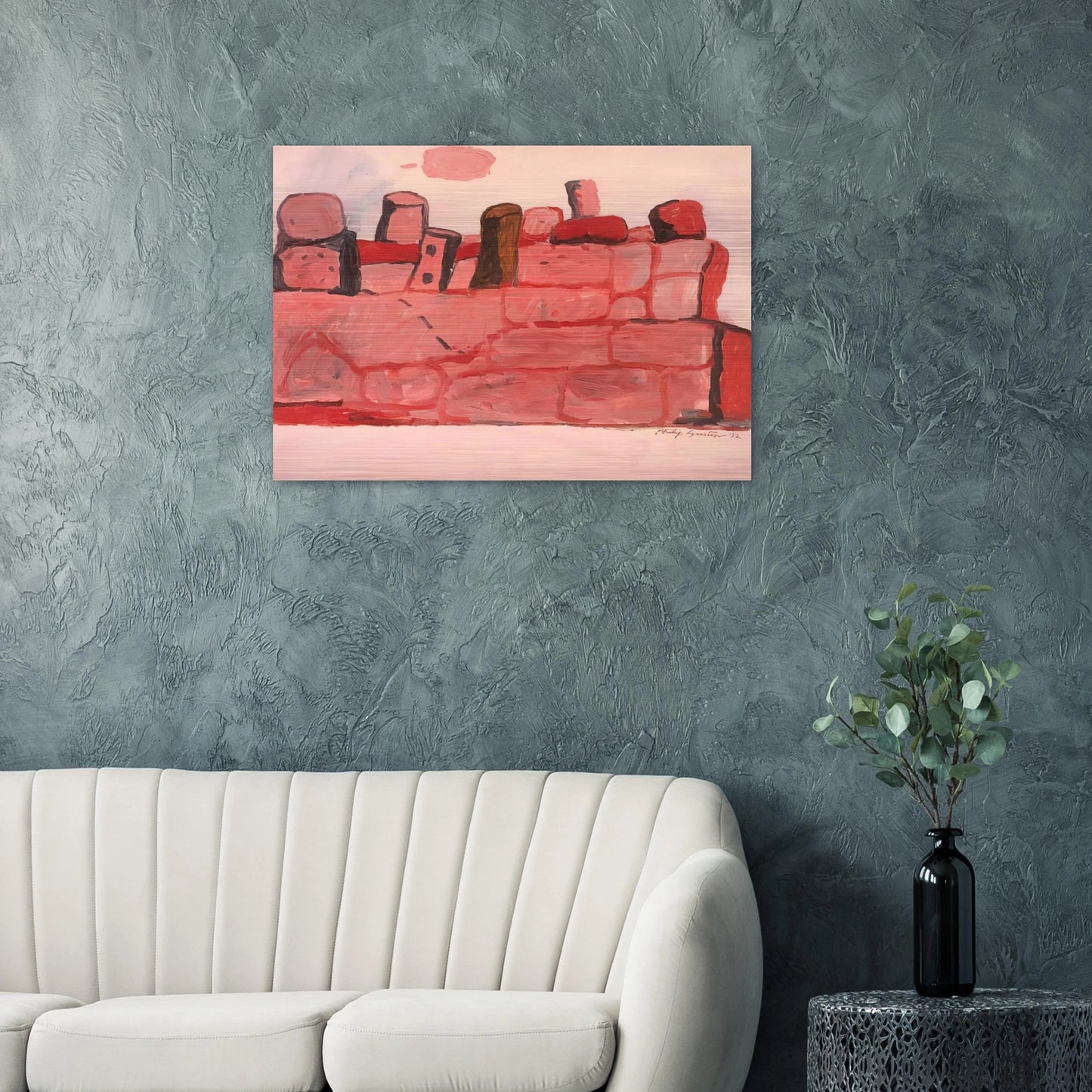
By choosing this Philip Guston aluminum print, you are not merely purchasing wall decor; you are investing in a curated piece of art history. The 70x100 cm format provides a commanding presence, perfect for the discerning collector looking to bring a sense of intellectual depth and archival quality into their environment.


Discover Unlimited Art Possibilities
At RedKalion, you can find virtually any artwork from any artist, available in a wide range of sizes to perfectly match your space.
If you didn’t find what you’re looking for, contact us at support@redkalion.com . We will source any artwork and produce it in any size and format you need, including art prints, posters, canvas, framed pieces, framed canvas, and more.
For dedicated art enthusiasts, we also offer handcrafted replicas of any artwork, carefully painted by highly skilled artists using traditional techniques.
For custom requests, contact us at support@redkalion.com .
What defines the print quality of this Philip Guston reproduction?
Our reproductions use direct-to-substrate printing on 3mm Aluminum DIBOND®. This ensures vivid colors and a matte, glare-free finish that preserves the tactile integrity of Guston’s original brushstrokes while providing modern durability.
Is the hanging hardware included with the CERVETERI 1972 print?
Yes, every RedKalion print arrives with a professional hanging kit. The specific hardware varies by fulfillment country to ensure the most secure and appropriate mounting system for your location.
How does the brushed aluminum finish affect the artwork’s appearance?
The horizontal grain of the brushed silver aluminum provides a metallic sheen. White areas of the artwork are not printed, allowing the silver metal to reveal a dynamic, shimmering effect that changes with the light.
What are the archival properties of this museum-quality print?
Aluminum DIBOND® is exceptionally rigid and resistant to warping or fading. The UV-resistant inks used in the printing process ensure the artwork remains vibrant and stable for decades, meeting museum-level standards.
How is the artwork packaged for shipping?
We utilize high-strength, secure packaging specifically designed for large-format aluminum panels. This ensures your Philip Guston print arrives in pristine condition, protected from any logistical impacts during transit.
What inspired Philip Guston to create CERVETERI in 1972?
The work was inspired by Guston's travels in Italy, specifically the ancient Etruscan tombs of Cerveteri. It reflects his obsession with the layering of time, memory, and the physical weight of stone and history.
Why is the transition to figuration in Guston’s late work so significant?
After years as a leading Abstract Expressionist, Guston’s shift to 'cartoonish' figuration in the late 1960s shocked the art world. It reclaimed the power of narrative and personal symbolism, influencing generations of neo-expressionist painters.