RedKalion
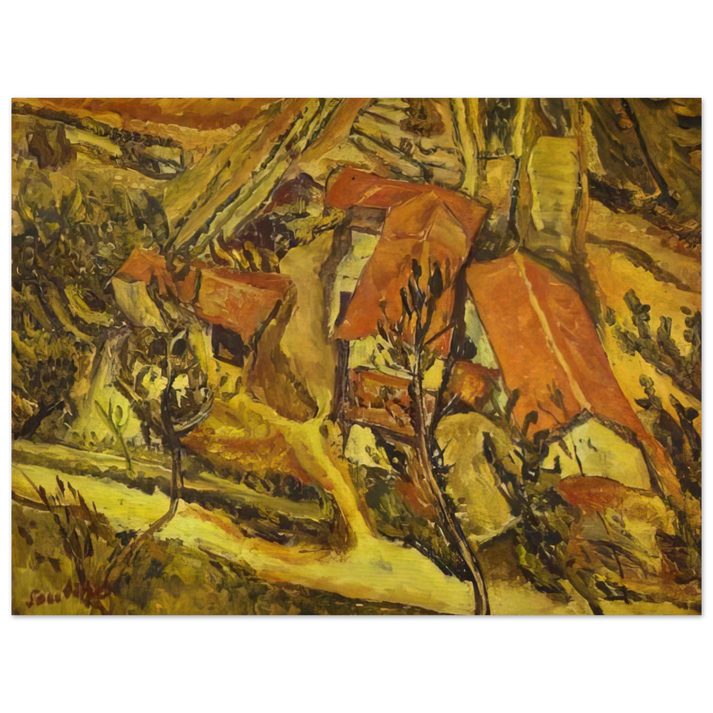
Chaim Soutine - LANDSCAPE 75x100 cm / 30x40inches Fine Art Poster
Chaim Soutine - LANDSCAPE 75x100 cm / 30x40inches Fine Art Poster
Couldn't load pickup availability
Embrace the Visceral Energy of Chaim Soutine’s Landscape
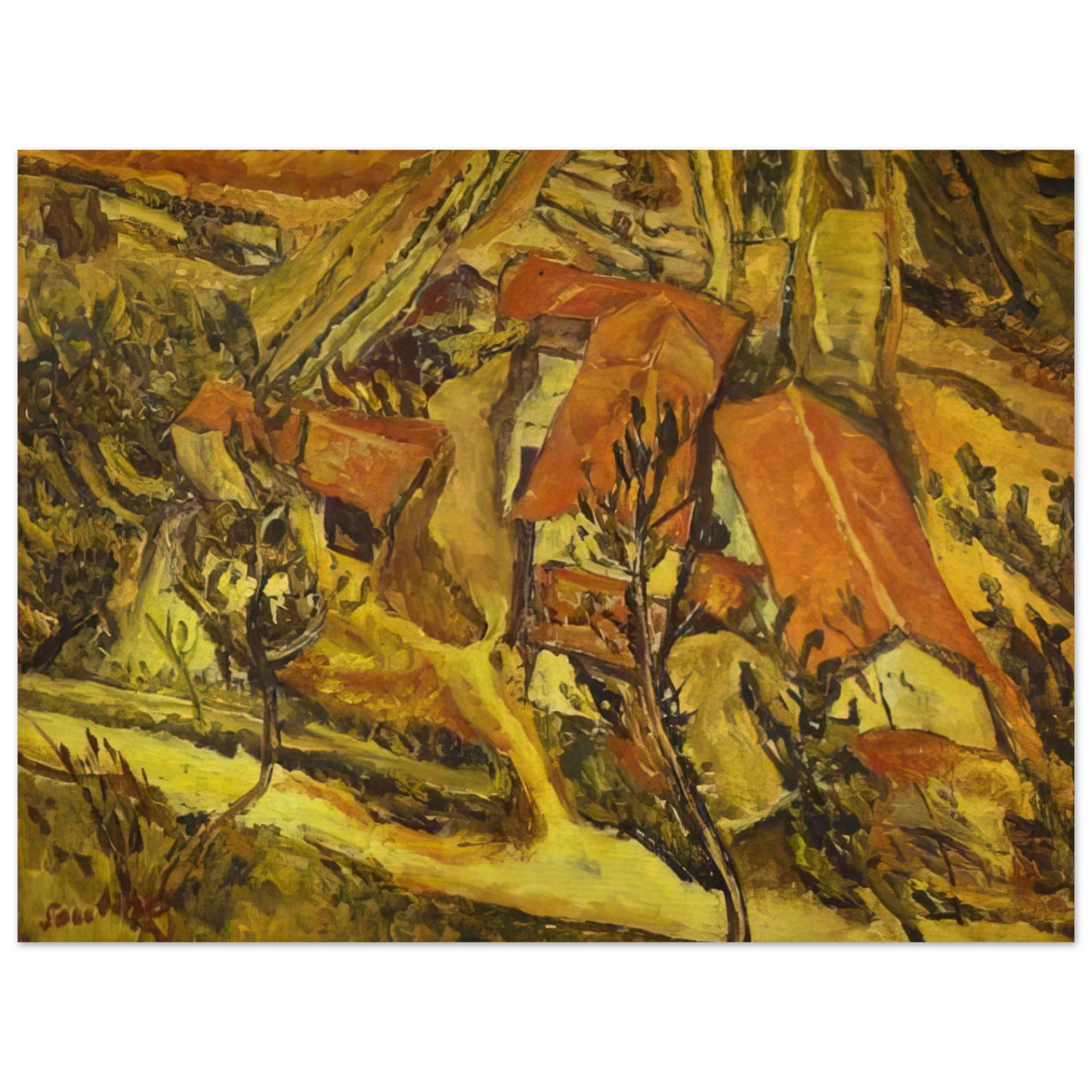
Experience the raw, emotive power of the School of Paris with this museum-quality reproduction of Chaim Soutine’s Landscape. Known for his turbulent brushwork and distorted perspectives, Soutine transformed the French countryside into a swirling, living entity. This fine art print captures the intense psychological depth and vibrant expressionism that defined Soutine’s career, making it a sophisticated focal point for any modern interior.
Archival Excellence for the Discerning Collector
At RedKalion, we believe that great art deserves the finest materials. This masterpiece is rendered on our Master's Edition archival paper, a premium 250 gsm (110 lb) foundation that ensures your print remains a legacy piece. The matte, uncoated finish provides a luxurious, natural white texture that eliminates glare, allowing the deep ochres and frantic greens of Soutine’s palette to resonate with authentic clarity.
Historical Significance & Expert Craftsmanship
Chaim Soutine’s landscapes, particularly those from his Céret period, are celebrated for their 'vertigo' effect—a technique where the horizon is tilted to evoke a sense of movement and instability. Our commitment to EEAT (Experience, Expertise, Authority, and Trust) means every print is meticulously produced to preserve these nuances. Using acid-free (pH above 7) technology, we prevent the yellowing or degradation common in lesser reproductions, ensuring your 75x100 cm (30x40 inch) investment endures for generations.
- Sustainable Beauty: Printed on FSC-certified paper for an ethical addition to your home.
- Substantial Texture: A thickness of 0.29 mm (11.4 mils) provides a rigid, gallery-grade feel.
- Ready for Framing: The off-white paper base serves as a perfect neutral canvas for your choice of professional framing.
Discover Unlimited Art Possibilities
At RedKalion, you can find virtually any artwork from any artist, available in a wide range of sizes to perfectly match your space.
If you didn’t find what you’re looking for, contact us at support@redkalion.com . We will source any artwork and produce it in any size and format you need, including art prints, posters, canvas, framed pieces, framed canvas, and more.
For dedicated art enthusiasts, we also offer handcrafted replicas of any artwork, carefully painted by highly skilled artists using traditional techniques.
For custom requests, contact us at support@redkalion.com .
What are the specific paper qualities of this Soutine print?
This print uses Master's Edition 250 gsm (110 lb) archival paper. It features a matte, uncoated finish with a thickness of 0.29 mm, providing a luxurious, natural white appearance that enhances the depth of Soutine’s expressionist brushstrokes.
Is the Chaim Soutine Landscape print archival and long-lasting?
Yes. The paper is acid-free with a pH value above 7, preventing yellowing or brittleness over time. This museum-quality standard ensures the artwork remains vibrant and structurally sound for decades when kept out of direct sunlight.
How is the artwork packaged and shipped?
RedKalion prints are produced on demand with no minimum order requirements. Each 75x100 cm poster is carefully rolled in a protective tube or flat-packed using robust materials to ensure it arrives in pristine, gallery-ready condition.
Is the paper used for this fine art print sustainable?
Sustainability is a core value at RedKalion. This Chaim Soutine reproduction is printed on FSC-certified paper (or local equivalent), ensuring that the materials are sourced from responsibly managed forests that provide environmental and social benefits.
What is the finish of the print, and does it reflect light?
The print features a premium matte finish. Unlike glossy posters, this uncoated, natural white paper absorbs light rather than reflecting it, ensuring a sophisticated, glare-free viewing experience from any angle in your room.
What period of Soutine’s career does this landscape represent?
This work typically represents Soutine’s mature period, likely his time in Céret or Cagnes. During this era, he moved away from literal representation toward a more distorted, emotional landscape style that influenced later Abstract Expressionists.
Why are the houses and trees in Soutine’s landscapes often tilted?
Soutine used distorted perspectives to convey internal emotional states. This 'vertigo' style was a hallmark of Expressionism, intended to make the viewer feel the movement and raw energy of the earth rather than a static, traditional view.