RedKalion
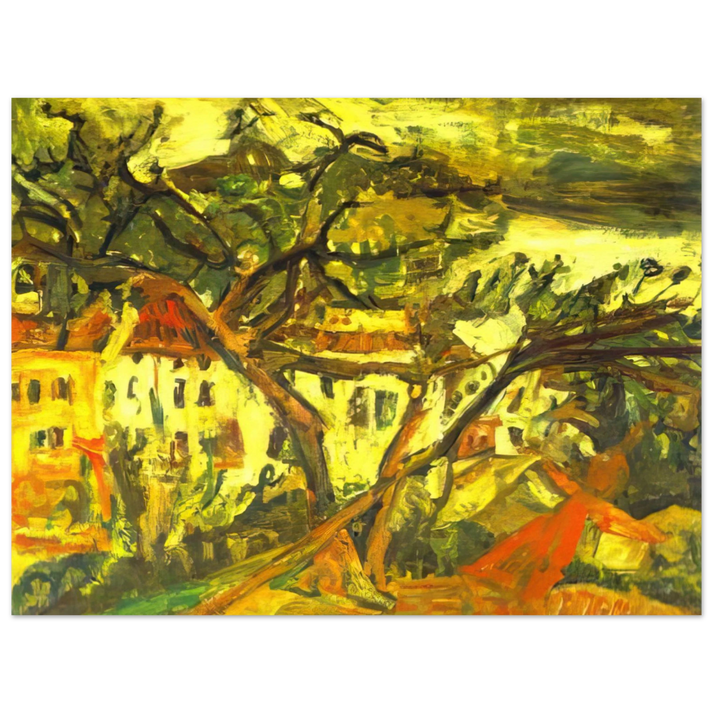
Chaim Soutine - LANDSCAPE OF THE SOUTH OF FRANCE 75x100 cm / 30x40inches Fine Art Poster
Chaim Soutine - LANDSCAPE OF THE SOUTH OF FRANCE 75x100 cm / 30x40inches Fine Art Poster
Couldn't load pickup availability
Chaim Soutine: Landscape of the South of France – A Masterpiece of Expressionist Energy
Step into the turbulent and deeply emotive world of Chaim Soutine with this museum-quality reproduction of Landscape of the South of France. Painted during Soutine’s transformative years in the French Mediterranean, this work captures a landscape that feels alive, moving with a rhythmic distortion that is the hallmark of French Expressionism. The swirling topography and vibrant, almost visceral palette reflect the artist's internal psychological intensity, transforming a traditional scenic view into a profound exploration of form and feeling.
At RedKalion, we curate fine art prints that honor the integrity of the original canvas. This reproduction is meticulously crafted on our Master's Edition archival paper. The off-white, natural white finish provides a sophisticated, luxurious backdrop that enhances Soutine’s complex color relationships without the glare of standard posters. With its heavy 250 gsm (110 lb) weight and 0.29 mm thickness, this print offers a tactile presence that commands attention in any curated space.
- Museum-Quality Finish: A matte, uncoated texture that mirrors the depth of gallery originals.
- Archival Integrity: Acid-free paper (pH above 7) ensures your investment remains vibrant, preventing yellowing or degradation over decades.
- Sustainable Excellence: Printed on FSC-certified paper, aligning artistic beauty with environmental responsibility.
- Precision Fulfillment: Each print is produced on demand, ensuring the highest standards of quality control from our press to your wall.
Elevate your interior with an archival masterpiece that endures. This 75x100 cm (30x40 inches) edition is more than a museum-quality reproduction; it is a testament to the enduring power of Chaim Soutine’s unique vision, curated for the modern connoisseur.
Discover Unlimited Art Possibilities
At RedKalion, you can find virtually any artwork from any artist, available in a wide range of sizes to perfectly match your space.
If you didn’t find what you’re looking for, contact us at support@redkalion.com . We will source any artwork and produce it in any size and format you need, including art prints, posters, canvas, framed pieces, framed canvas, and more.
For dedicated art enthusiasts, we also offer handcrafted replicas of any artwork, carefully painted by highly skilled artists using traditional techniques.
For custom requests, contact us at support@redkalion.com .
What makes the Master's Edition paper special for Soutine's work?
Our Master's Edition paper features a 250 gsm weight and a matte, uncoated finish. This premium texture absorbs light beautifully, allowing the complex textures and dark, brooding tones of Chaim Soutine's landscapes to be seen without distracting reflections.
Will this fine art print fade over time?
No. We use archival-grade, acid-free paper with a pH above 7. This prevents the yellowing and color degradation typical of standard posters, ensuring your Soutine reproduction maintains its museum-quality vibrancy for generations.
Is the paper used for this reproduction environmentally friendly?
Yes, RedKalion is committed to sustainability. This print is produced on FSC-certified paper, which guarantees the materials are sourced from responsibly managed forests that provide environmental, social, and economic benefits.
How is my order fulfilled and shipped?
We operate on a print-on-demand model with no minimum orders. Each Chaim Soutine print is carefully produced upon purchase and shipped in protective packaging to ensure it arrives in pristine gallery condition.
What are the exact dimensions of this Soutine print?
This specific fine art poster measures 75x100 cm, which is approximately 30x40 inches. It is a substantial format that captures the grand scale and dramatic energy of Soutine's expressionist vision.
What period of Chaim Soutine's career does this landscape represent?
This work hails from Soutine's prolific period in the South of France (c. 1919-1922), often referred to as his Céret period, characterized by sweeping, turbulent brushwork and highly distorted perspectives.
Why are the buildings in Soutine's landscapes often depicted at precarious angles?
Soutine used distorted perspective to convey psychological intensity rather than literal realism. These leaning structures represent his emotional reaction to the world, a core tenet of the Expressionist movement.