RedKalion
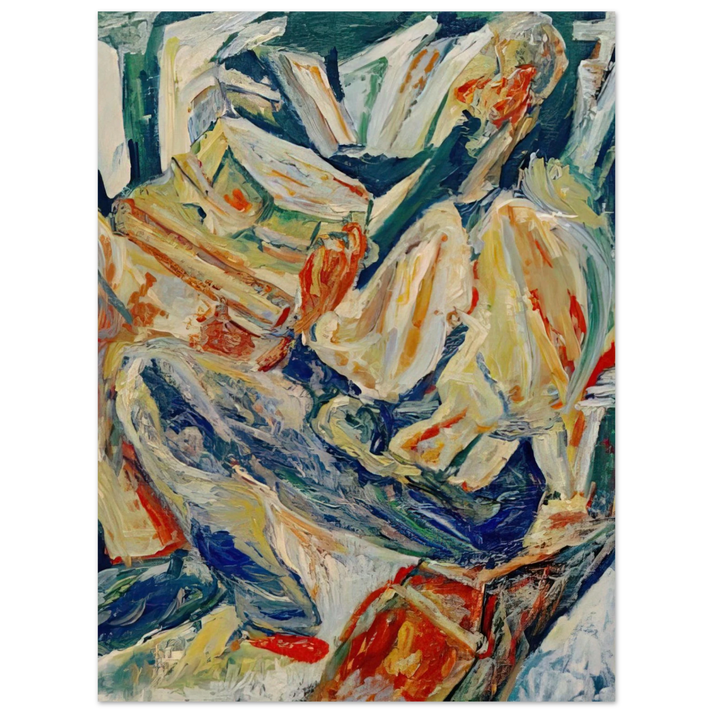
Chaim Soutine - THE PHILOSOPHER 1921 75x100 cm / 30x40inches Fine Art Poster
Chaim Soutine - THE PHILOSOPHER 1921 75x100 cm / 30x40inches Fine Art Poster
Couldn't load pickup availability
Elevate Your Space with Chaim Soutine’s The Philosopher (1921)
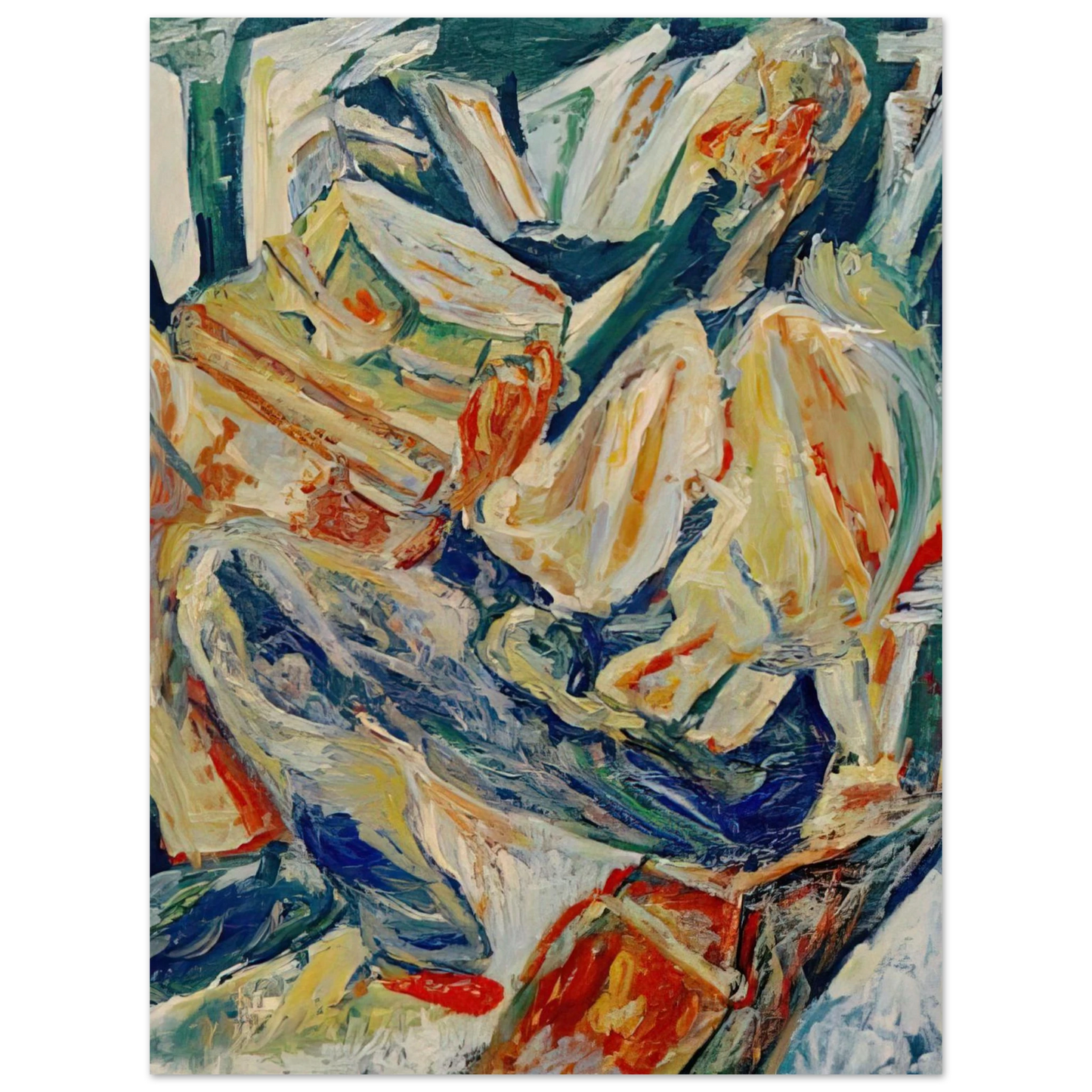
Experience the raw, psychological intensity of Chaim Soutine’s The Philosopher (1921) through this museum-quality fine art print. A cornerstone of the School of Paris, Soutine is celebrated for his visceral expressionism and his ability to project profound emotional weight into his subjects. This 1921 masterpiece, created during his transformative period in Cagnes-sur-Mer, captures a haunting introspection through distorted proportions and a turbulent color palette that defines the early 20th-century avant-garde.
Authentic Expressionism and Historical Context
Soutine’s technique was characterized by a thick, gestural application of paint, often referred to as impasto. In The Philosopher, the artist moves beyond mere portraiture to explore the existential state of the sitter. The elongated features and shifting perspectives are not just stylistic choices; they are a direct window into the anxiety and genius of a man who influenced generations of artists, from Francis Bacon to Willem de Kooning. At RedKalion, we preserve these nuances with unmatched fidelity.
Museum-Quality Archival Standards
Every fine art poster we produce is a testament to durability and aesthetic excellence. To ensure this reproduction honors Soutine’s legacy, we use Master's Edition archival paper. This premium substrate offers a luxurious, off-white matte finish that eliminates glare and highlights the depth of the original work's textures. RedKalion prints are curated for the discerning collector who seeks gallery-level quality for their private residence or professional space.
- Paper weight: 250 gsm (110 lb) for a substantial, premium feel.
- Longevity: Acid-free (pH above 7) ensures the print will not yellow or degrade over time.
- Texture: Uncoated, natural white finish for a sophisticated, tactile quality.
- Sustainability: Printed on FSC-certified paper, supporting responsible forestry.
- Fulfillment: Printed on demand with no minimum orders, ensuring a freshly crafted masterpiece for your collection.
Discover Unlimited Art Possibilities
At RedKalion, you can find virtually any artwork from any artist, available in a wide range of sizes to perfectly match your space.
If you didn’t find what you’re looking for, contact us at support@redkalion.com . We will source any artwork and produce it in any size and format you need, including art prints, posters, canvas, framed pieces, framed canvas, and more.
For dedicated art enthusiasts, we also offer handcrafted replicas of any artwork, carefully painted by highly skilled artists using traditional techniques.
For custom requests, contact us at support@redkalion.com .
What paper quality is used for this Chaim Soutine fine art print?
We use Master's Edition archival paper, weighing 250 gsm (110 lb). This museum-quality, natural white paper features a matte, uncoated finish that provides a luxurious feel and exceptional detail for fine art reproductions.
Is the reproduction archival-grade and resistant to yellowing?
Yes. Our prints are acid-free with a pH level above 7, meeting archival standards. This ensures the paper will not yellow or become brittle over time, preserving your artwork for decades.
How is the print fulfilled and shipped?
RedKalion operates on a print-on-demand basis with no minimum order requirements. Each piece is meticulously printed and shipped in robust packaging to ensure it reaches you in pristine condition.
Is the finish of the poster glossy or matte?
The Philosopher (1921) is printed with a luxurious matte finish. This uncoated surface prevents reflections and glare, allowing the complex textures of Soutine’s expressionism to be the focal point.
Are the materials used for this poster environmentally friendly?
Absolutely. We prioritize sustainability by using FSC-certified paper (Forest Stewardship Council), ensuring that the materials are sourced from responsibly managed forests that provide environmental and social benefits.
What is the artistic significance of Soutine's 'The Philosopher' (1921)?
Painted in 1921, this work exemplifies Soutine's transition to a more fluid, expressive style. It reflects the emotional turbulence of the School of Paris, focusing on psychological depth rather than traditional anatomical accuracy.
What characterizes the style of Chaim Soutine during this period?
Soutine’s 1921 works are marked by distorted perspectives, intense emotional energy, and a visceral use of color. His 'The Philosopher' showcases the restless, gestural brushwork that made him a pioneer of modern expressionism.