

RedKalion
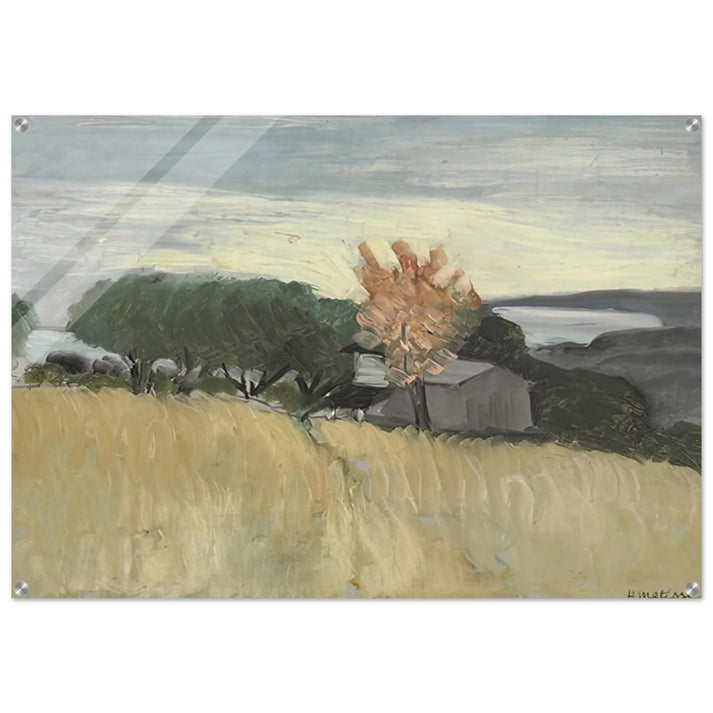
CHAMPS DE BLE A CAGNES 1918 - Henri Matisse Acrylic Print - 70x100 cm / 28x40″ inches
CHAMPS DE BLE A CAGNES 1918 - Henri Matisse Acrylic Print - 70x100 cm / 28x40″ inches
Couldn't load pickup availability
Elevate Your Space with Henri Matisse's Champs de blé à Cagnes (1918)
Experience the luminous beauty of the French Riviera through the eyes of a master. Champs de blé à Cagnes, painted by Henri Matisse in 1918, captures a pivotal moment in the artist's career. Transitioning from the bold experimentation of Fauvism to a more naturalistic, light-filled aesthetic, Matisse found profound inspiration in the landscapes surrounding Cagnes-sur-Mer. This museum-quality reproduction brings that Mediterranean warmth and chromatic harmony into your home.
Artistic Heritage Meets Modern Sophistication
At RedKalion, we believe fine art deserves a medium that honors its historical significance. Our Henri Matisse acrylic print is crafted on 4mm (0.15") premium acrylic, a material chosen for its ability to provide incredible depth and vibrant color saturation. The high-gloss finish mimics the reflective qualities of the Southern French sun, making the golden wheat fields and azure skies appear to radiate with life.
Archival Integrity and Precision Engineering
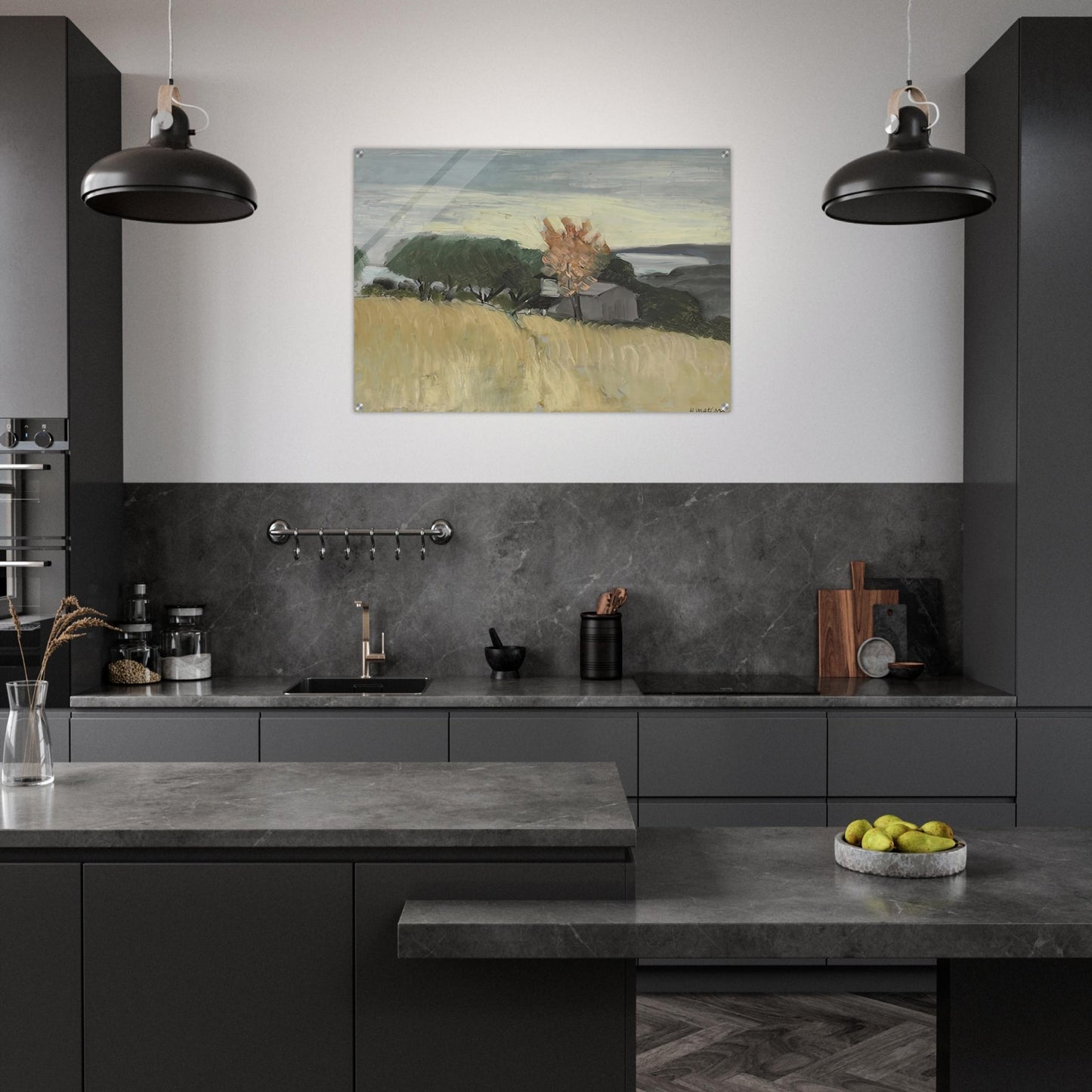
This 70x100 cm masterpiece is not merely a print, but a durable investment in culture. The acrylic glass wall art features straight-cut corners for a sharp, modern silhouette that complements any architectural style. Each piece is meticulously produced to ensure archival longevity, protecting the integrity of Matisse's palette for generations. To facilitate a seamless installation, your print arrives with a professional hanging kit, including discrete hardware and pre-drilled holes at each corner.
- Vibrant Clarity: 4mm acrylic enhances the texture of Matisse’s brushwork.
- Durability: Shatter-resistant material that is easier to maintain than traditional glass.
- Professional Finish: 15mm screw heads provide a gallery-standard mounting solution.
- Curated Excellence: A RedKalion exclusive, ensuring the highest standards of art historical reproduction.


Discover Unlimited Art Possibilities
At RedKalion, you can find virtually any artwork from any artist, available in a wide range of sizes to perfectly match your space.
If you didn’t find what you’re looking for, contact us at support@redkalion.com . We will source any artwork and produce it in any size and format you need, including art prints, posters, canvas, framed pieces, framed canvas, and more.
For dedicated art enthusiasts, we also offer handcrafted replicas of any artwork, carefully painted by highly skilled artists using traditional techniques.
For custom requests, contact us at support@redkalion.com .
What material is used for the Champs de blé à Cagnes print?
We use premium 4mm (0.15") acrylic for this Henri Matisse reproduction, providing a sleek, vibrant, and durable finish that enhances the depth of the artwork's colors.
Is mounting hardware included with the purchase?
Yes, each 70x100 cm print includes a professional hanging kit with screws and pre-drilled 8mm holes positioned 14mm from the edges for a secure installation.
How long will this museum-quality reproduction last?
Crafted with archival-grade materials and UV-resistant acrylic, this piece is designed to endure, maintaining its chromatic integrity and clarity for decades without fading.
What is the corner design of this Matisse acrylic print?
The print features precision straight-cut corners, offering a clean and modern aesthetic that aligns with contemporary interior design standards while showcasing the artwork.
How is the 70x100 cm print protected during shipping?
Your RedKalion print is meticulously packaged in protective layers and rigid containers to ensure it arrives in pristine, museum-ready condition at your doorstep.
What is the significance of Matisse's 1918 period in Cagnes?
1918 marked Matisse's shift toward 'L'Heure de Nice,' where he embraced the soft, Mediterranean light, resulting in more atmospheric and naturalistic landscape compositions.
How does acrylic enhance the colors of 'Champs de blé à Cagnes'?
The 4mm acrylic depth creates a light-refractive effect, making the golden hues of the wheat fields pop with a brilliance that traditional paper prints cannot replicate.