


RedKalion
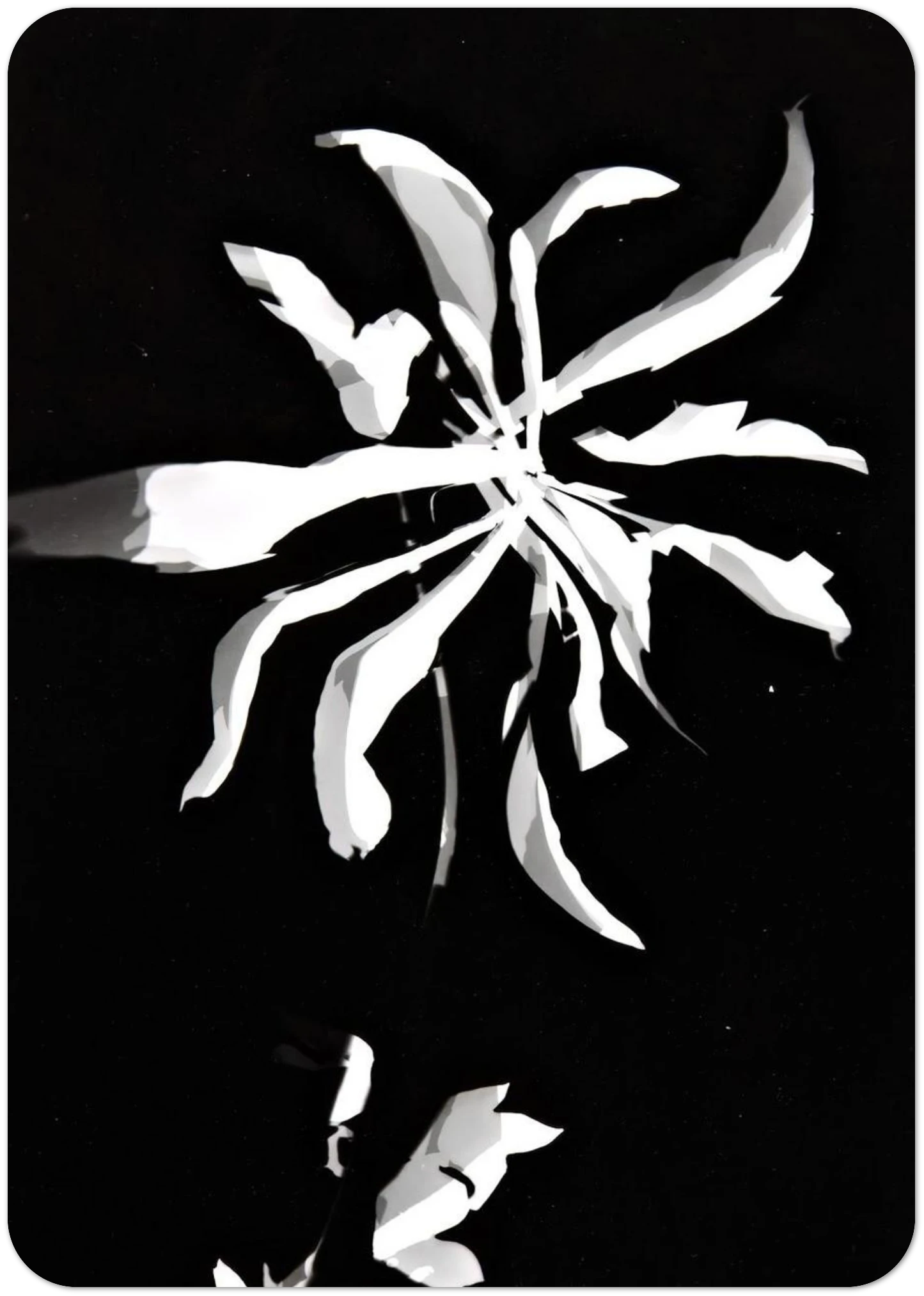
Changing patterns By Laszlo Moholy-Nagy Pack of 10 Post Cards | Laszlo Moholy-Nagy Post Cards | A6 (10.5 x 14.8 cm) - 4.1 x 5.8 inches
Changing patterns By Laszlo Moholy-Nagy Pack of 10 Post Cards | Laszlo Moholy-Nagy Post Cards | A6 (10.5 x 14.8 cm) - 4.1 x 5.8 inches
Couldn't load pickup availability
Experience the Bauhaus Avant-Garde: 'Changing Patterns' by László Moholy-Nagy
Elevate your correspondence or curate a miniature gallery with this exquisite pack of 10 postcards featuring 'Changing Patterns' by László Moholy-Nagy. As a visionary of the Bauhaus movement, Moholy-Nagy redefined the boundaries between technology and art. This specific composition exemplifies his mastery of geometric abstraction and his lifelong fascination with how light and form interact to create perceived motion.
At RedKalion, we bridge the gap between historical masterpiece and modern archival standards. These are not standard stationery items; they are museum-quality reproductions. Utilizing 12-color fine art printing technology, we capture the subtle gradations and sharp structural lines of Moholy-Nagy’s work with a depth and accuracy that standard 4-color printing simply cannot replicate.
Technical Sophistication & Material Excellence
- Exceptional Color Depth: Our 12-color process ensures every hue reflects the artist's original intent with stunning vibrancy.
- Premium Paper Stock: Each card is printed on 200 gsm (80 lb) FSC-certified paper, offering a substantial weight and a thickness of 0.26 mm for a tactile, high-end feel.
- Smooth Matte Finish: The glare-free surface allows the constructivist patterns to speak clearly under any lighting condition, making them ideal for framing or mailing.
- Sustainability: In alignment with modern environmental standards, we use responsibly sourced materials for every print-on-demand set.
Whether you are a scholar of the Bauhaus era or a collector of modernist aesthetics, these postcards offer a sophisticated way to share a piece of art history. Every set is produced to order, ensuring that your collection meets the rigorous quality benchmarks curated by RedKalion.


Discover Unlimited Art Possibilities
At RedKalion, you can find virtually any artwork from any artist, available in a wide range of sizes to perfectly match your space.
If you didn’t find what you’re looking for, contact us at support@redkalion.com . We will source any artwork and produce it in any size and format you need, including art prints, posters, canvas, framed pieces, framed canvas, and more.
For dedicated art enthusiasts, we also offer handcrafted replicas of any artwork, carefully painted by highly skilled artists using traditional techniques.
For custom requests, contact us at support@redkalion.com .
What printing technique is used for these postcards?
We use advanced 12-color fine art printing technology. This provides superior color vibrancy and depth compared to standard 4-color inkjet processes, ensuring a museum-quality reproduction.
What is the weight and finish of the paper?
The postcards are printed on 200 gsm (80 lb) FSC-certified paper with a thickness of 0.26 mm. They feature a smooth matte finish for a sophisticated, glare-free appearance.
Are these postcards environmentally friendly?
Yes, all our postcards are printed on FSC-certified paper, ensuring that the materials are sourced from responsibly managed forests that provide environmental, social, and economic benefits.
What are the exact dimensions of the postcards?
This set contains 10 flat postcards in A6 size, which measures exactly 10.5 x 14.8 cm, or approximately 4.1 x 5.8 inches.
Is there a minimum order requirement for these cards?
No, there is no minimum order. Each pack of 10 postcards is printed on demand specifically for you, maintaining our commitment to quality and sustainability.
What was László Moholy-Nagy's influence on modern art?
Moholy-Nagy was a Bauhaus master who pioneered kinetic art and photograms. He advocated for the integration of technology and industry into the fine arts, shaping modern graphic design.
What does 'Changing Patterns' represent in Moholy-Nagy’s work?
'Changing Patterns' reflects his exploration of 'New Vision,' using geometric shapes to represent movement, light, and the spatial relationships characteristic of the Constructivist movement.