RedKalion
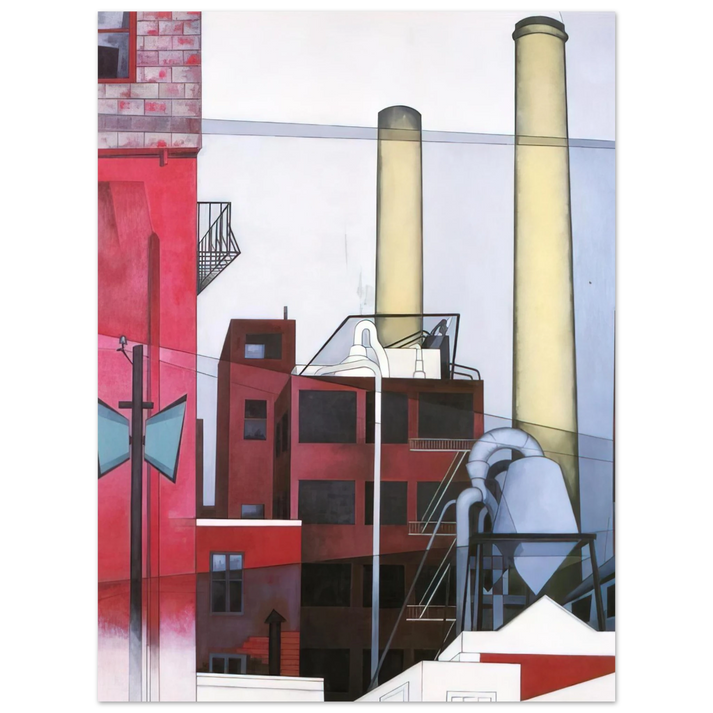
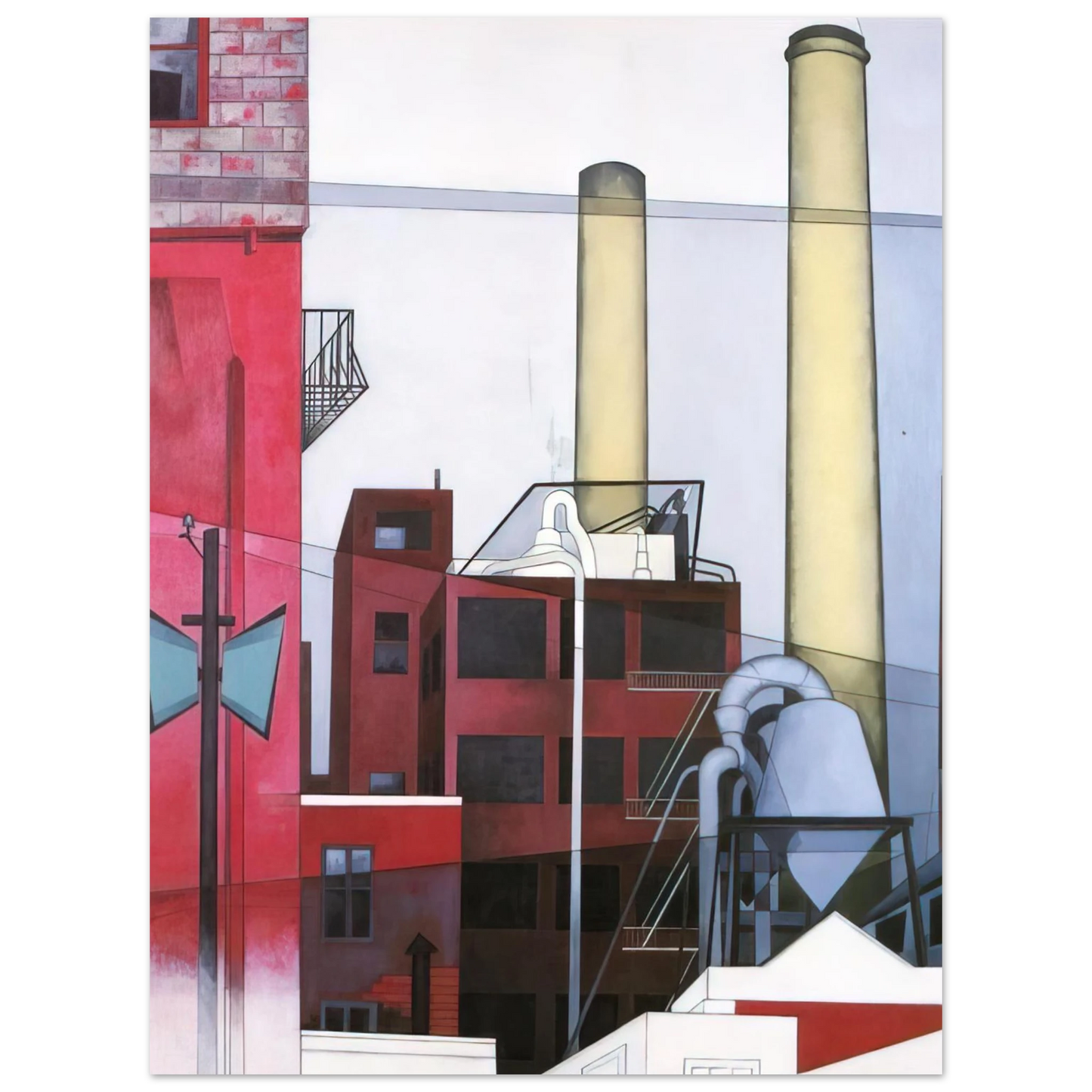
Charles Demuth - After All - 1933 75x100 cm / 30x40inches Fine Art Poster
Charles Demuth - After All - 1933 75x100 cm / 30x40inches Fine Art Poster
Couldn't load pickup availability
Charles Demuth – After All – 1933: A Precisionist Masterpiece Reproduced
Immerse yourself in the poignant elegance of Charles Demuth's 'After All – 1933', meticulously brought to life by RedKalion. As a pivotal figure in American modernism, Demuth, a master of Precisionism, captured the essence of early 20th-century American life with unparalleled clarity and geometric precision. This exquisite still life from 1933, painted in the final years of his life, offers a serene and contemplative perspective, embodying his sophisticated aesthetic and subtle symbolism.
RedKalion is proud to present this iconic artwork as a museum-quality reproduction fine art print. Our commitment to preserving artistic heritage means every detail of Demuth's original vision is faithfully rendered. Each print is crafted on our premium Master's Edition archival paper, renowned for its superior quality and longevity. The luxurious matte, uncoated finish provides a tactile experience, while the natural white (off-white) tone ensures the artwork's original colors and subtle nuances are reproduced with authentic depth and fidelity.
This isn't merely a print; it's an heirloom. Our paper is acid-free, boasting a pH above 7, a critical feature that prevents yellowing and degradation over time, guaranteeing your investment endures for generations. The substantial 250 gsm (110 lb) weight and impressive 0.29 mm (11.4 mils) thickness speak to its premium feel and exceptional durability. Furthermore, our dedication to environmental stewardship means our paper is FSC-certified, ensuring responsible and sustainable sourcing.
Demuth's masterful use of stark lines, geometric forms, and delicate interplay of light and shadow in 'After All' transforms everyday objects into monumental statements, reflecting a deep engagement with modern abstraction while maintaining a powerful figurative presence. Elevate your space with an authentic piece of art history – a RedKalion museum-quality reproduction of Charles Demuth's 'After All - 1933'. Each piece is printed and shipped on demand, with no minimum orders, ensuring a personalized and sustainable approach to bringing world-class art into your home or collection.
Discover Unlimited Art Possibilities
At RedKalion, you can find virtually any artwork from any artist, available in a wide range of sizes to perfectly match your space.
If you didn’t find what you’re looking for, contact us at support@redkalion.com . We will source any artwork and produce it in any size and format you need, including art prints, posters, canvas, framed pieces, framed canvas, and more.
For dedicated art enthusiasts, we also offer handcrafted replicas of any artwork, carefully painted by highly skilled artists using traditional techniques.
For custom requests, contact us at support@redkalion.com .
What kind of paper is used for this fine art print?
This Charles Demuth fine art print is produced on Master's Edition archival paper. It features a luxurious matte, uncoated, natural white finish, ensuring a museum-quality reproduction that will last.
How does RedKalion ensure the longevity of the print?
Our prints use acid-free paper with a pH above 7, preventing yellowing or degradation over time. This archival quality guarantees your 'After All - 1933' reproduction will endure for generations.
What are the shipping details for this Charles Demuth print?
RedKalion prints are produced and shipped on demand, ensuring no minimum orders. Your Charles Demuth fine art print will be carefully packaged and delivered worldwide.
What are the weight and thickness specifications of the paper?
The Master's Edition archival paper boasts a substantial 250 gsm (110 lb) weight and 0.29 mm (11.4 mils) thickness, providing a premium feel and exceptional durability for your print.
Is this 'After All' print a faithful reproduction of the original?
Yes, RedKalion specializes in museum-quality reproductions. Our process meticulously captures the nuances of Charles Demuth's 'After All,' ensuring high fidelity to the 1933 original artwork.
What is the significance of Charles Demuth's 'After All' in his oeuvre?
'After All – 1933' is a late-career still life, showcasing Demuth's Precisionist style applied to domestic subjects. It reflects his ongoing exploration of geometric forms, subtle lighting, and a contemplative mood.
How does Charles Demuth's 'After All' contribute to American modernism?
As a prime example of Precisionism, 'After All' demonstrates Demuth's ability to abstract reality while maintaining recognizable forms. His clean lines and structured composition significantly influenced American modern art, bridging Cubism and native aesthetics.