RedKalion
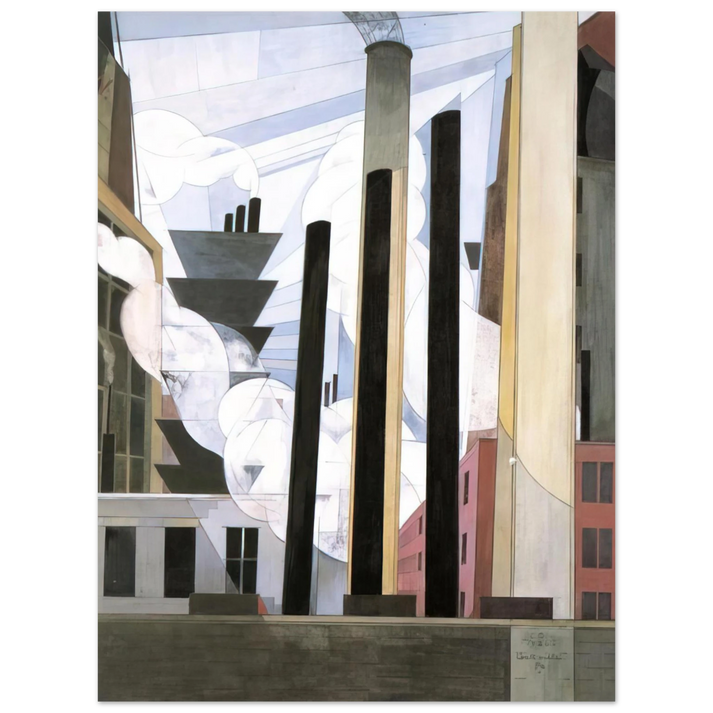
Charles Demuth - End of the Parade, Coatesville, Pa. - 1920 75x100 cm / 30x40inches Fine Art Poster
Charles Demuth - End of the Parade, Coatesville, Pa. - 1920 75x100 cm / 30x40inches Fine Art Poster
Couldn't load pickup availability
Elevate Your Space with Charles Demuth’s Industrial Masterpiece
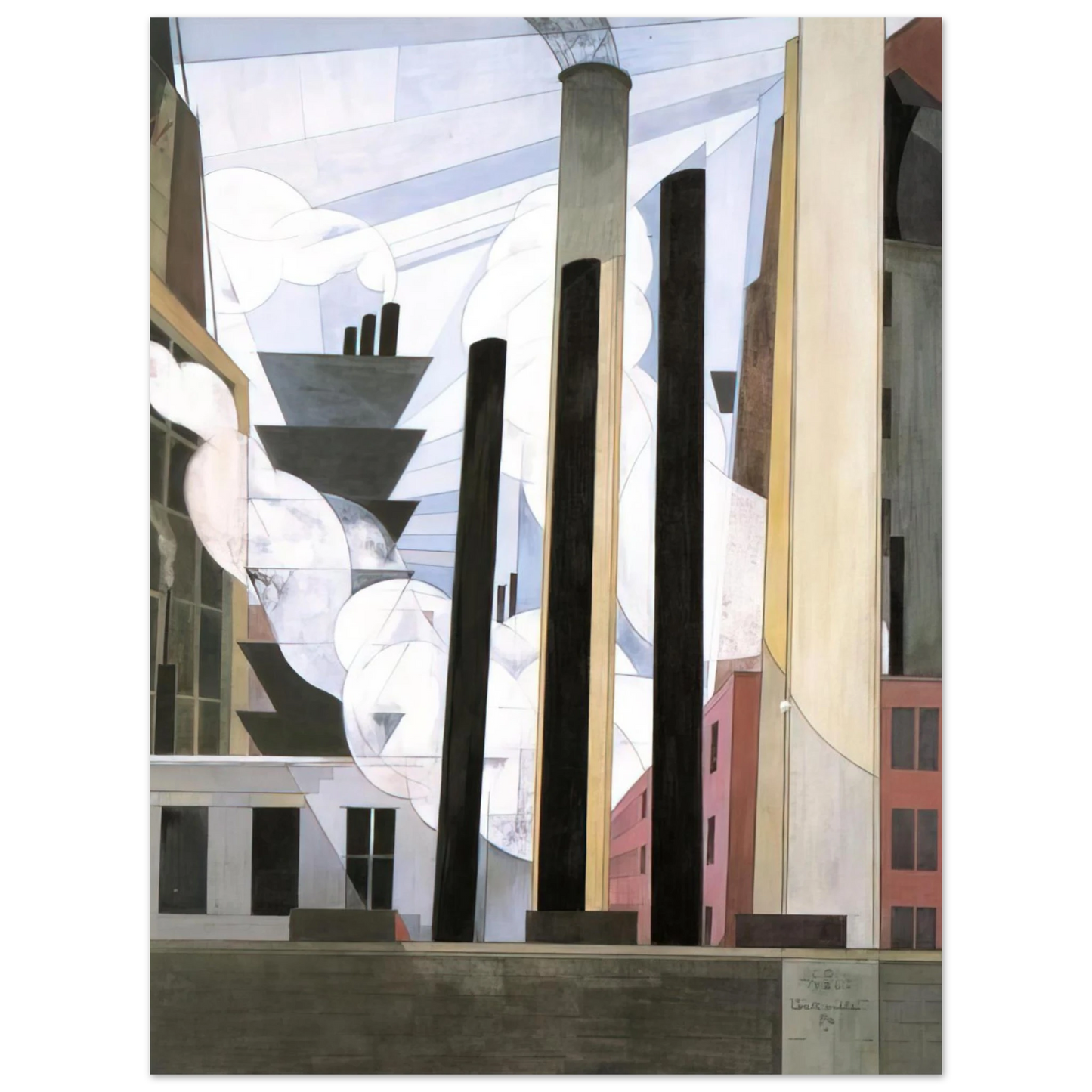
Experience the rhythmic geometry of the American industrial landscape with our museum-quality reproduction of Charles Demuth’s 'End of the Parade, Coatesville, Pa.' (1920). As a pioneer of the Precisionist movement, Demuth transformed the raw power of the Lukens Steel Company in Coatesville into a sophisticated arrangement of lines and planes. This fine art print captures the intersection of Cubism and Futurism, depicting the architectural majesty of the machine age with a distinctively American clarity.
At RedKalion, we believe such historical significance deserves an uncompromising medium. Our prints are produced on Master's Edition archival paper, chosen specifically to preserve the subtle shifts in tone and the sharp, defined edges characteristic of Demuth’s work. The matte, uncoated, natural white finish provides a luxurious, non-reflective surface that allows the viewer to appreciate every detail without the distraction of glare.
Archival Excellence and Sustainable Craftsmanship
Every Charles Demuth reproduction is crafted to endure for generations. We utilize 250 gsm (110 lb) acid-free paper with a thickness of 0.29 mm, ensuring a substantial, premium feel. Because the paper is alkaline-buffered (pH above 7), it resists the yellowing and degradation that common posters suffer over time. Furthermore, our commitment to the environment is reflected in our use of FSC-certified materials, balancing art history with ecological responsibility.
- Museum-Quality Paper: Natural white, archival-grade for long-lasting vibrancy.
- Precisionist Detail: Sharp reproduction of Demuth's 1920 industrial vision.
- Sustainably Sourced: Printed on FSC-certified paper to meet global environmental standards.
- Global Fulfillment: Each piece is printed on demand and shipped with expert care to ensure it arrives in pristine condition.
Discover Unlimited Art Possibilities
At RedKalion, you can find virtually any artwork from any artist, available in a wide range of sizes to perfectly match your space.
If you didn’t find what you’re looking for, contact us at support@redkalion.com . We will source any artwork and produce it in any size and format you need, including art prints, posters, canvas, framed pieces, framed canvas, and more.
For dedicated art enthusiasts, we also offer handcrafted replicas of any artwork, carefully painted by highly skilled artists using traditional techniques.
For custom requests, contact us at support@redkalion.com .
What are the dimensions of this Charles Demuth print?
This specific edition of 'End of the Parade, Coatesville, Pa.' is available as a 75x100 cm (30x40 inches) fine art poster, a substantial size that highlights the intricate geometric details of the industrial subject matter.
What is the quality of the paper used for this reproduction?
We use Master's Edition archival paper, which is a 250 gsm (110 lb) museum-quality medium. It features a natural white, matte finish that provides a sophisticated, glare-free texture suitable for premium interiors.
Will the colors fade over time?
No. Our prints use acid-free paper with a pH above 7, which prevents yellowing and preserves the integrity of the pigments. This ensures your archival masterpiece remains vibrant and durable for decades.
How is this artwork fulfilled and shipped?
RedKalion prints and ships all orders on demand with no minimums. Each poster is handled with extreme care and shipped in protective packaging to ensure it reaches you in gallery-ready condition.
Is the paper used for this fine art poster sustainable?
Yes. We exclusively use FSC-certified paper (Forest Stewardship Council), ensuring that the materials for your Charles Demuth print are sourced from responsibly managed forests.
What is the significance of the Precisionist style in 'End of the Parade'?
Precisionism celebrated the industrial modernization of America. Demuth used sharp lines and simplified forms to find beauty in factories and smokestacks, viewing them as the new 'cathedrals' of the 20th century.
Why did Demuth choose Coatesville, Pa. as a subject?
Coatesville was home to the Lukens Steel Company. Demuth, a native of nearby Lancaster, was fascinated by the rhythmic, structural aesthetics of local industry, turning industrial sites into high art.