RedKalion
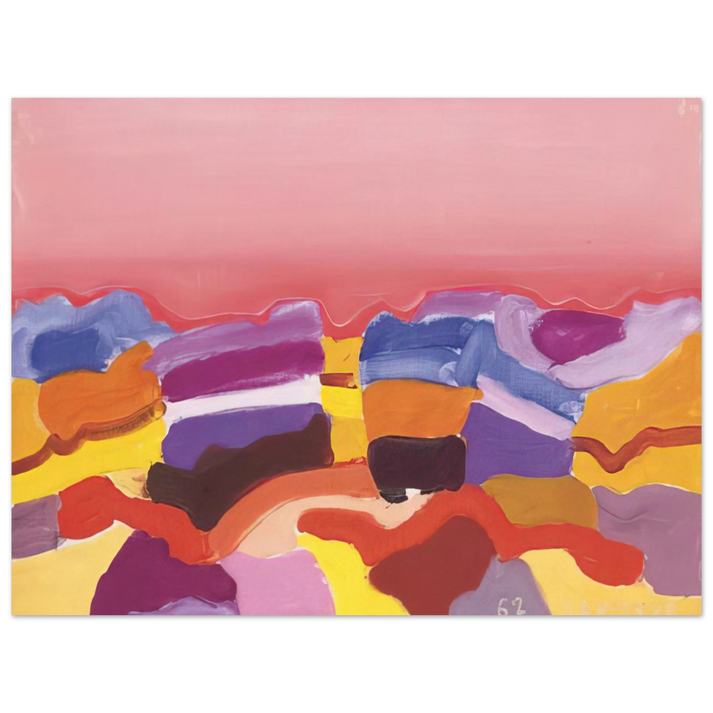
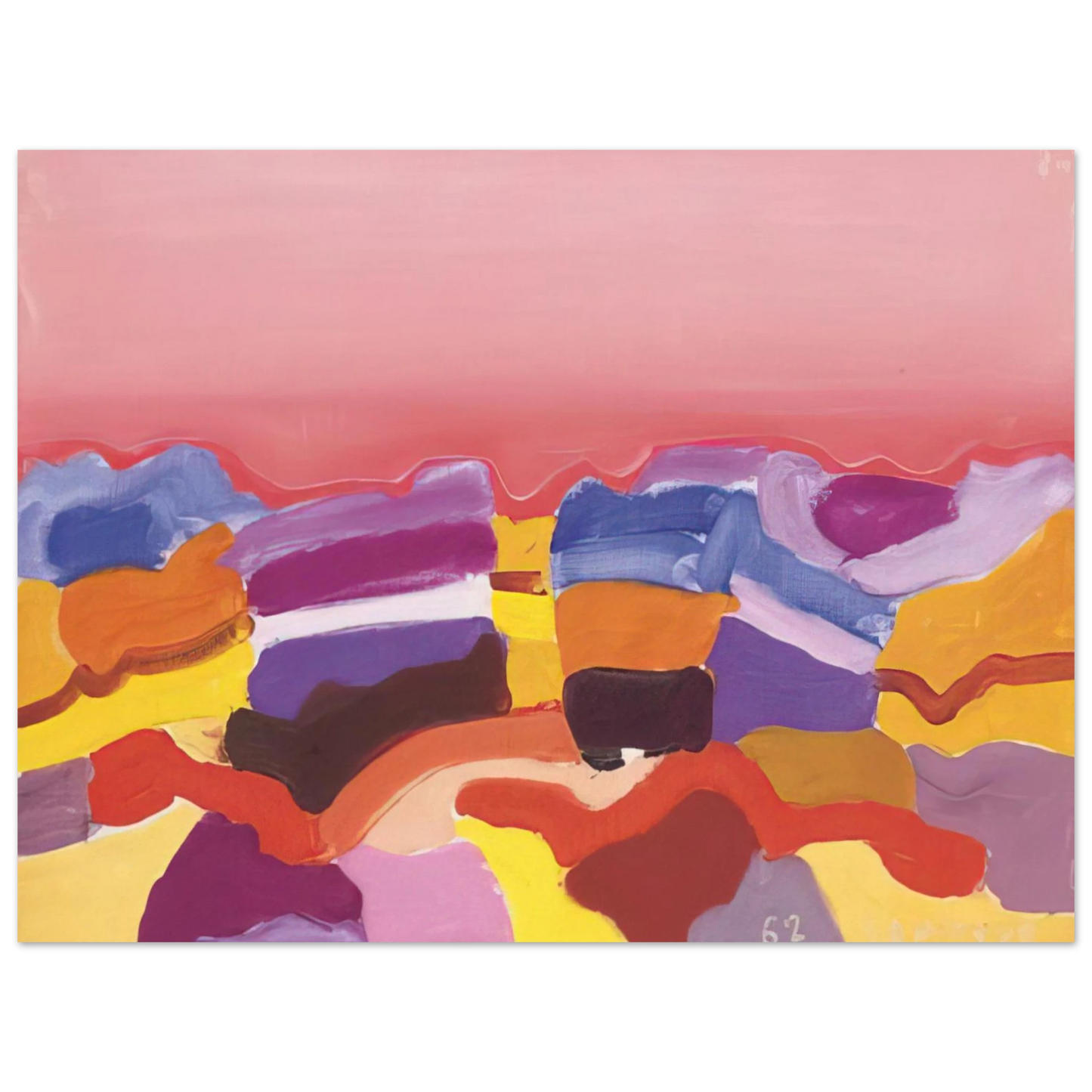
Charles Lapicque - Désert - 1962 75x100 cm / 30x40inches Fine Art Poster
Charles Lapicque - Désert - 1962 75x100 cm / 30x40inches Fine Art Poster
Couldn't load pickup availability
Experience the Lyrical Abstraction of Charles Lapicque's "Désert" (1962)
Step into the vibrant, rhythmic world of Charles Lapicque with this museum-quality reproduction of his 1962 masterpiece, Désert. Lapicque, a singular figure in 20th-century French art, seamlessly blended his background in engineering and optics with a revolutionary approach to color theory. This particular work, Désert (1962), is a profound exploration of space and movement, utilizing a palette that challenges traditional perspective to create a sense of infinite depth.
At RedKalion, we curate only the finest art history has to offer. This fine art print is more than a simple reproduction; it is a meticulously crafted artifact designed for the discerning collector. Printed on our Master's Edition archival paper, the piece exhibits a luxurious matte, uncoated finish that eliminates glare and highlights the nuanced textures of Lapicque’s brushwork. The natural white (off-white) tone of the paper provides a sophisticated backdrop that honors the original mid-century aesthetic.
Uncompromising Material Excellence
Our commitment to archival integrity ensures that your investment endures. The Désert (1962) fine art poster is produced on heavy-weight 250 gsm (110 lb) paper with a thickness of 0.29 mm (11.4 mils), providing a substantial, premium feel. To prevent yellowing and degradation, we use strictly acid-free paper with a pH above 7. Furthermore, our dedication to the planet matches our dedication to art; every print uses FSC-certified paper and is fulfilled on-demand to minimize waste.
Elevate your interior with an archival masterpiece that captures the intellectual rigor and aesthetic joy of the 1960s avant-garde. This 75x100 cm (30x40 inches) statement piece serves as a timeless focal point, bridging the gap between historical significance and contemporary elegance.
Discover Unlimited Art Possibilities
At RedKalion, you can find virtually any artwork from any artist, available in a wide range of sizes to perfectly match your space.
If you didn’t find what you’re looking for, contact us at support@redkalion.com . We will source any artwork and produce it in any size and format you need, including art prints, posters, canvas, framed pieces, framed canvas, and more.
For dedicated art enthusiasts, we also offer handcrafted replicas of any artwork, carefully painted by highly skilled artists using traditional techniques.
For custom requests, contact us at support@redkalion.com .
What defines the quality of this Charles Lapicque print?
This is a museum-quality reproduction printed on 250 gsm Master's Edition archival paper. It features a matte, uncoated finish and natural white tone, ensuring the artwork looks sophisticated and true to Charles Lapicque's original 1962 vision.
Is the paper used for "Désert" (1962) sustainable?
Yes. RedKalion uses FSC-certified paper, ensuring that your fine art print meets the highest environmental and social standards. We fulfill orders on-demand to reduce carbon footprint and eliminate overproduction.
How does the matte finish affect the viewing experience?
The matte, uncoated finish provides a luxurious, non-reflective surface. This prevents glare from indoor lighting, allowing the vibrant colors and rhythmic lines of Lapicque's work to be viewed clearly from any angle.
Will this archival reproduction fade over time?
No. We use acid-free paper with a pH above 7. This archival-grade material prevents the paper from yellowing or becoming brittle, ensuring your Charles Lapicque print retains its brilliance for decades.
How is shipping handled for RedKalion fine art posters?
We offer secure, global shipping with no minimum order requirements. Each 75x100 cm print is produced on demand and packaged in protective materials to ensure it arrives at your door in pristine condition.
What was Charles Lapicque's artistic philosophy in 1962?
In 1962, Lapicque was refining his "Blue-Red" color theory, where he reversed traditional perspective by using blue for foregrounds and red for distances, creating a unique sense of movement and energy found in "Désert".
Why is "Désert" considered a significant piece in Lapicque's body of work?
"Désert" represents Lapicque's transition into a more lyrical, fluid style. It showcases his ability to translate scientific optical principles into emotional, abstract landscapes, making it a cornerstone of 1960s French abstraction.