RedKalion
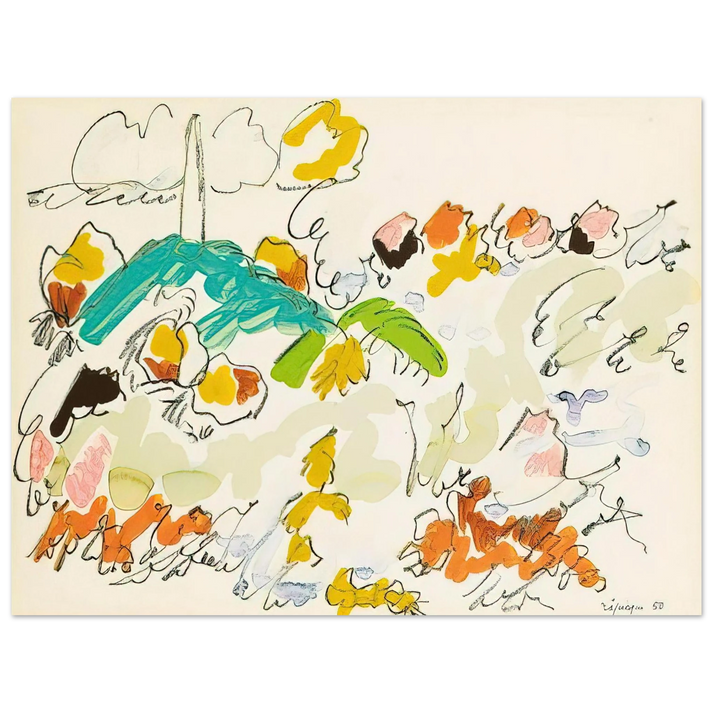
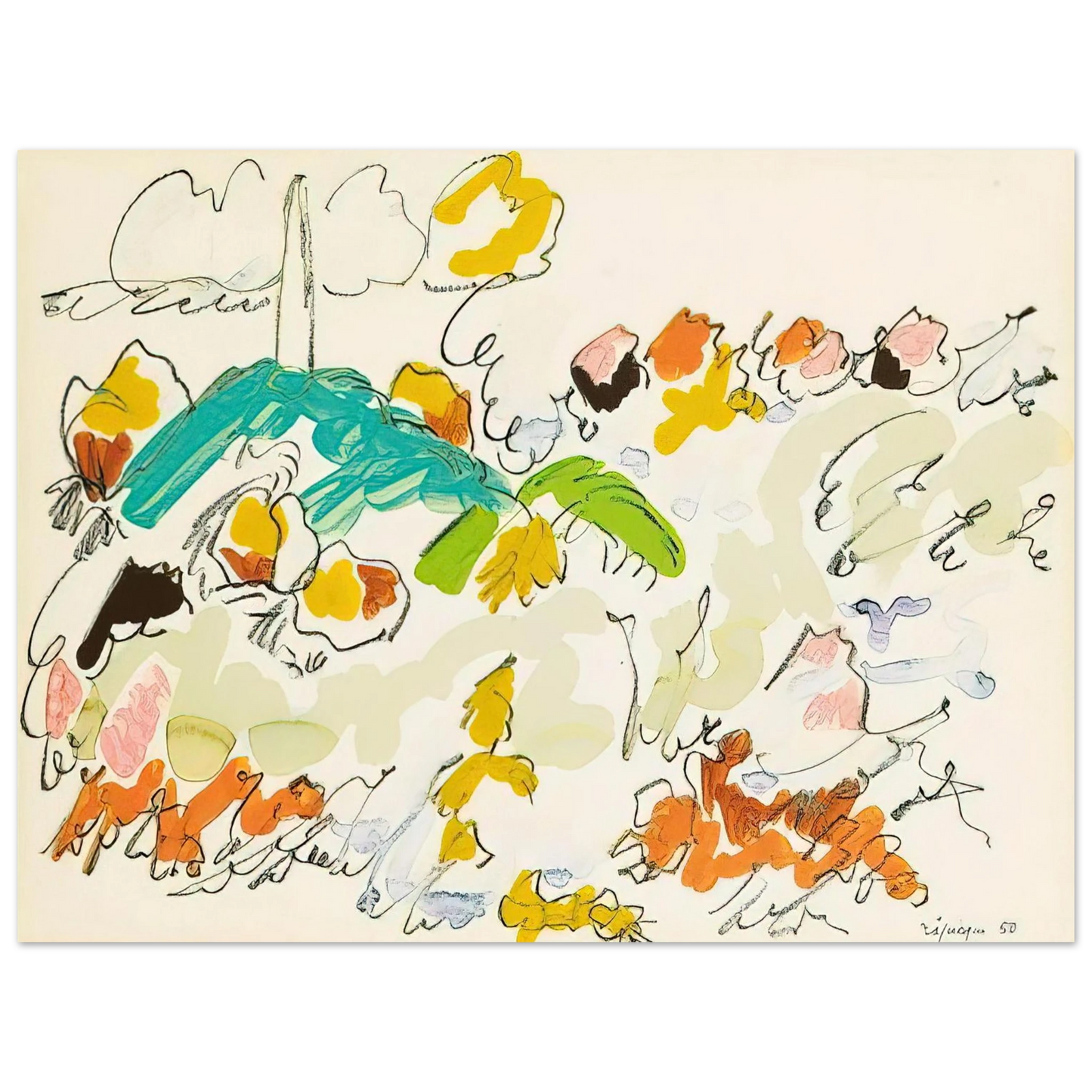
Charles Lapicque - Paysage de mer - 1950 75x100 cm / 30x40inches Fine Art Poster
Charles Lapicque - Paysage de mer - 1950 75x100 cm / 30x40inches Fine Art Poster
Couldn't load pickup availability
Immerse Yourself in the Rhythmic Modernism of Charles Lapicque’s *Paysage de mer*
Experience the maritime soul of French modernism with this exceptional 1950 reproduction of Charles Lapicque’s *Paysage de mer*. As a polymath—engineer, scientist, and painter—Lapicque brought a unique analytical depth to the canvas. This piece, created during his transition to a more fluid, rhythmic style, showcases his revolutionary use of color and line to depict the dynamic nature of the sea. By rejecting traditional perspective, Lapicque invites the viewer into a space where light and water intersect through vibrant, 'vibrating' strokes.
This museum-quality reproduction captures the intellectual rigor and energetic brushwork that defined the School of Paris in the mid-20th century. At RedKalion, we preserve the integrity of Lapicque’s vision by utilizing our Master’s Edition archival paper, ensuring that every nuance of the original composition is rendered with absolute fidelity and sophisticated depth.
Unrivaled Print Quality and Material Excellence
Our commitment to archival excellence means your fine art print is crafted to endure as a legacy piece. We utilize a matte, uncoated, natural white paper that provides a luxurious texture and eliminates distracting glare, allowing the complex maritime composition to be appreciated in its purest form.
- Premium Weight: 250 gsm (110 lb) for a substantial, professional gallery feel.
- Archival Longevity: Acid-free (pH above 7) construction to prevent yellowing or degradation over decades.
- Material Thickness: A robust 0.29 mm (11.4 mils) ensures the print remains flat and impressive when framed.
- Sustainability: Responsibly sourced, FSC-certified paper, reflecting our commitment to the environment.
- Dimensions: 75x100 cm (30x40 inches), providing a commanding presence in any curated interior.
Elevate your space with an archival masterpiece that transcends mere decoration. This Charles Lapicque fine art poster is a testament to 20th-century innovation, curated by RedKalion for the discerning collector.
Discover Unlimited Art Possibilities
At RedKalion, you can find virtually any artwork from any artist, available in a wide range of sizes to perfectly match your space.
If you didn’t find what you’re looking for, contact us at support@redkalion.com . We will source any artwork and produce it in any size and format you need, including art prints, posters, canvas, framed pieces, framed canvas, and more.
For dedicated art enthusiasts, we also offer handcrafted replicas of any artwork, carefully painted by highly skilled artists using traditional techniques.
For custom requests, contact us at support@redkalion.com .
What materials are used for this Charles Lapicque fine art print?
We use Master's Edition archival paper, a 250 gsm (110 lb) museum-quality stock. This heavy-weight, 0.29 mm thick paper provides a premium feel and exceptional durability for your museum-quality reproduction.
Will the paper yellow over time?
No. Our prints are made on acid-free paper with a pH above 7. This archival-grade material prevents yellowing and degradation, ensuring your artwork retains its original vibrancy for decades.
How is the print finish described?
The print features a matte, uncoated finish on a natural white (off-white) base. This luxurious texture prevents glare and highlights the intricate color theory utilized by Charles Lapicque.
What are the sustainability standards for this product?
Every print is produced on FSC-certified paper. This ensures the materials are sourced from responsibly managed forests, aligning premium art curation with environmental stewardship.
How is shipping and fulfillment handled?
We provide on-demand printing with no minimum order requirements. Each piece is meticulously packaged and shipped directly to ensure it arrives in pristine gallery condition.
What is the significance of the year 1950 in Lapicque's career?
By 1950, Lapicque had developed his signature style of 'vibrating' lines and non-naturalistic color. This era marked his mastery of maritime themes, blending science and art to redefine French modernism.
What artistic style does *Paysage de mer* represent?
This work represents a fusion of Cubism, Fauvism, and Abstract Expressionism. Lapicque used analytical color placement to create depth without traditional perspective, a hallmark of his 'spatial' art theory.