RedKalion
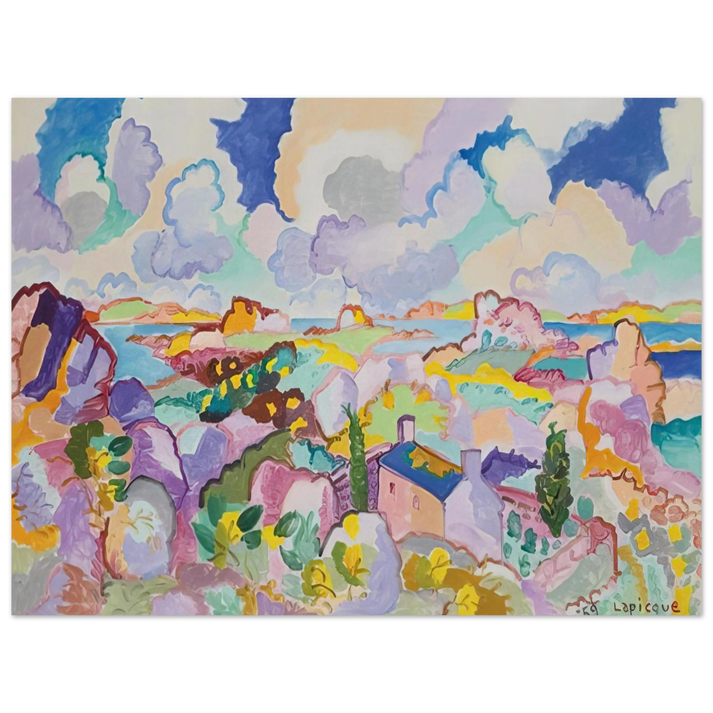
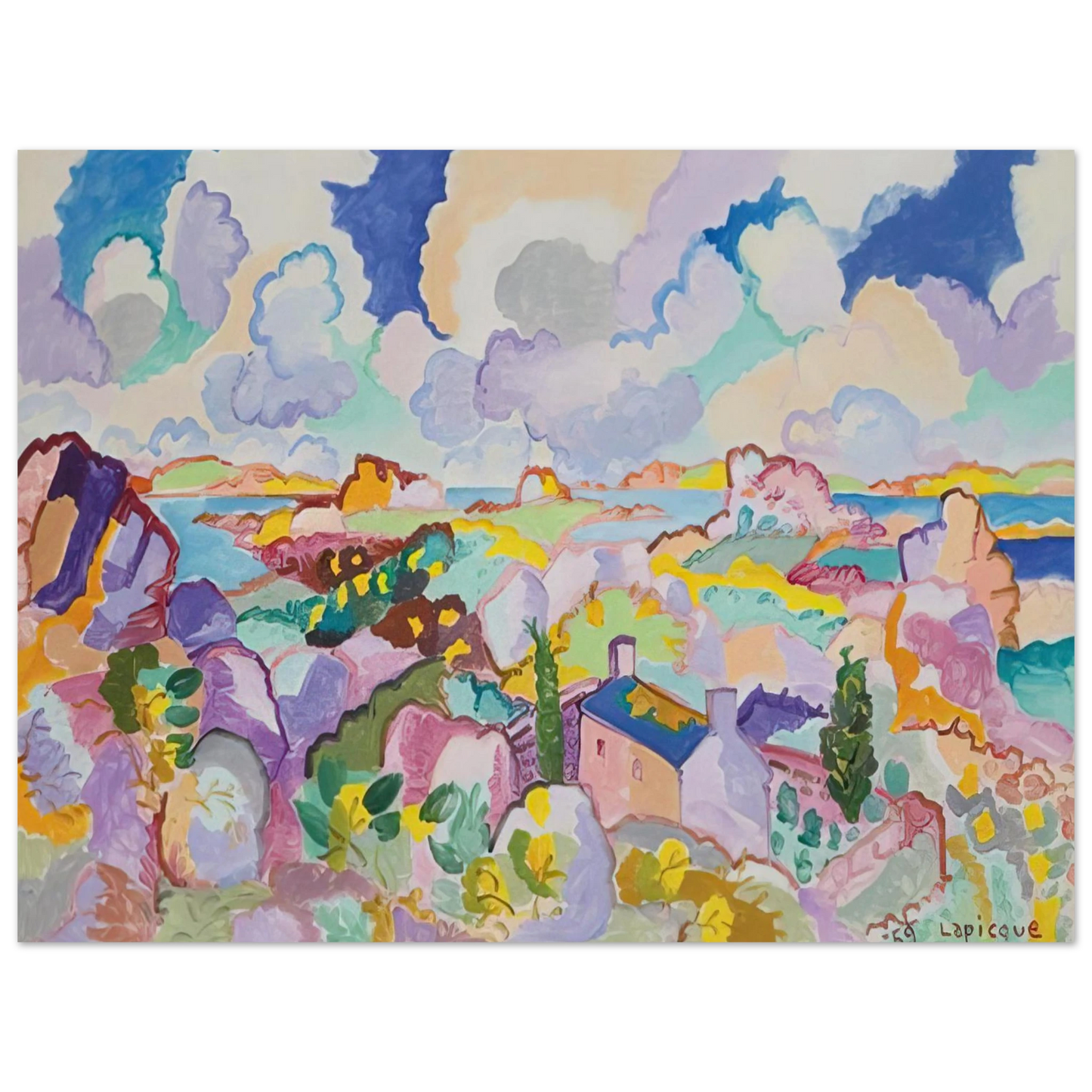
Charles Lapicque - Printemps en Bretagne - 1959 75x100 cm / 30x40inches Fine Art Poster
Charles Lapicque - Printemps en Bretagne - 1959 75x100 cm / 30x40inches Fine Art Poster
Couldn't load pickup availability
Charles Lapicque: A Masterpiece of Chromatic Energy
Experience the vibrant spirit of 1950s French modernism with this exceptional reproduction of Charles Lapicque's "Printemps en Bretagne" (1959). As a central figure in the Nouvelle École de Paris, Lapicque fused his scientific expertise in engineering with a profoundly poetic approach to color theory. This piece captures the awakening of the Brittany coastline, rendered through his signature rhythmic lines and a daring, non-naturalistic palette that challenges traditional perspective.
Museum-Quality Craftsmanship for Your Space
At RedKalion, we preserve the integrity of Lapicque’s energetic brushwork using our Master's Edition archival paper. This premium reproduction is crafted for the discerning collector who demands excellence in both color accuracy and physical longevity. Every detail of the 1959 original is meticulously captured on a heavy 250 gsm (110 lb) foundation, ensuring a presence that is as tactile as it is visual.
- Luxurious Finish: An uncoated, matte, natural white (off-white) surface that eliminates glare and highlights the depth of the pigments.
- Archival Integrity: Acid-free (pH above 7) to ensure your fine art print remains vibrant and resists yellowing for decades.
- Substantial Weight: At 0.29 mm (11.4 mils) thickness, the paper offers the rigidity and premium feel of a gallery original.
- Sustainable Excellence: Printed on FSC-certified paper, reflecting our commitment to environmental responsibility.
Elevate your interior with an archival masterpiece that endures. This 75x100 cm (30x40 inches) fine art poster is more than a decoration; it is a testament to the revolutionary spirit of post-war European abstraction, curated and fulfilled on-demand with the highest standards of the art world.
Discover Unlimited Art Possibilities
At RedKalion, you can find virtually any artwork from any artist, available in a wide range of sizes to perfectly match your space.
If you didn’t find what you’re looking for, contact us at support@redkalion.com . We will source any artwork and produce it in any size and format you need, including art prints, posters, canvas, framed pieces, framed canvas, and more.
For dedicated art enthusiasts, we also offer handcrafted replicas of any artwork, carefully painted by highly skilled artists using traditional techniques.
For custom requests, contact us at support@redkalion.com .
What makes the RedKalion Master's Edition print unique?
Our Master's Edition uses 250 gsm archival paper with a matte, uncoated finish. This museum-quality material ensures high color depth and a luxurious, glare-free texture that mirrors original gallery works.
How long will this Charles Lapicque print last without fading?
The print is produced on acid-free paper with a pH above 7. This archival standard prevents yellowing and preserves the vibrancy of Lapicque’s palette for generations.
What are the exact physical dimensions and weight of the paper?
This print is 75x100 cm (30x40 inches) on 250 gsm (110 lb) paper with a thickness of 0.29 mm, providing a heavy, high-end feel.
Is the shipping process environmentally friendly?
Yes. We use FSC-certified paper and print each order on-demand. This model reduces waste and minimizes our carbon footprint while ensuring no minimum order requirements.
How does the matte finish affect the appearance of the artwork?
The natural white, matte finish provides a sophisticated, non-reflective surface. This allows the complex colors of "Printemps en Bretagne" to be seen clearly from any angle.
What inspired Lapicque's portrayal of Brittany in 1959?
Lapicque was fascinated by the sea and maritime light. In 1959, he employed "inverted" color theories, using blues for foregrounds to create a unique sense of movement and spatial depth.
Why is 1959 considered a significant period for Charles Lapicque?
By 1959, Lapicque had fully matured his style, moving beyond traditional abstraction into a rhythmic, figurative-abstract hybrid that earned him international acclaim and major retrospective exhibitions.