
RedKalion
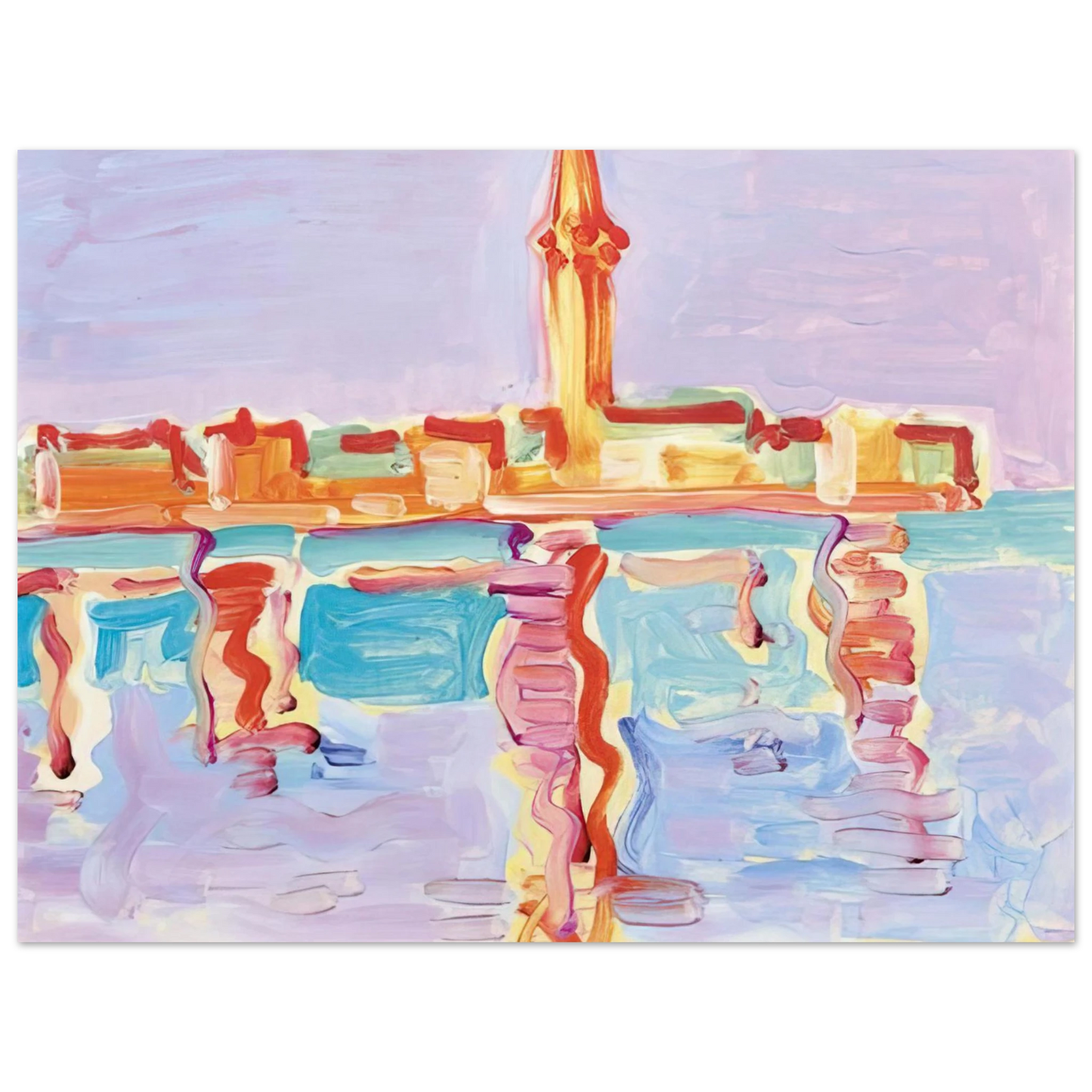
Charles Lapicque - Untitled - 1955 75x100 cm / 30x40inches Fine Art Poster
Charles Lapicque - Untitled - 1955 75x100 cm / 30x40inches Fine Art Poster
Couldn't load pickup availability
A Masterpiece of Post-War Lyrical Abstraction
Elevate your interior with this exceptional museum-quality reproduction of Charles Lapicque’s 'Untitled' (1955). As a central figure in the Nouvelle École de Paris, Lapicque masterfully blended his background as a scientist and engineer with a profoundly expressive approach to painting. This 1955 composition captures the artist at the height of his creative powers, utilizing rhythmic lines and a sophisticated palette that evokes the fluid motion of marine landscapes and the structured complexity of modern life.
Archival Excellence by RedKalion
At RedKalion, we curate more than just prints; we provide archival legacy. This fine art poster is produced as a Master's Edition, utilizing our premium archival paper that ensures every stroke of Lapicque's original vision is preserved. The natural white, off-white finish of the paper provides a luxurious, non-reflective surface that honors the historical depth of the artwork.
Technical Specifications for the Discerning Collector:
- Paper Quality: Master's Edition archival paper, museum-quality for lasting brilliance.
- Weight & Thickness: A robust 250 gsm (110 lb) with a thickness of 0.29 mm (11.4 mils).
- Texture: Matte, uncoated finish for an elegant, glare-free aesthetic.
- Archival Integrity: Acid-free (pH above 7) to prevent yellowing or degradation over time.
- Sustainable Sourcing: Printed on FSC-certified paper, reflecting a commitment to environmental stewardship.
This 75x100 cm (30x40 inch) reproduction is printed and shipped on demand, ensuring that your piece arrives in pristine condition directly from our curated archives. Experience the sophisticated balance of mid-century French abstraction with a print designed to endure for generations.
Discover Unlimited Art Possibilities
At RedKalion, you can find virtually any artwork from any artist, available in a wide range of sizes to perfectly match your space.
If you didn’t find what you’re looking for, contact us at support@redkalion.com . We will source any artwork and produce it in any size and format you need, including art prints, posters, canvas, framed pieces, framed canvas, and more.
For dedicated art enthusiasts, we also offer handcrafted replicas of any artwork, carefully painted by highly skilled artists using traditional techniques.
For custom requests, contact us at support@redkalion.com .
What defines the quality of this Charles Lapicque reproduction?
This is a Master's Edition fine art print on 250 gsm archival paper. We utilize museum-quality standards to ensure the color accuracy and structural integrity of Charles Lapicque's 1955 work are preserved.
Is the paper used for this 1955 print sustainable?
Yes, all our prints use FSC-certified paper. This ensures that the premium material used for your Untitled (1955) reproduction is sourced from responsibly managed forests.
How does the archival quality protect the artwork?
The paper is acid-free with a pH level above 7, which prevents the natural white paper from yellowing over time, ensuring your fine art poster remains vibrant for decades.
What are the shipping and fulfillment details?
RedKalion operates with no minimum orders. Each Charles Lapicque print is produced on demand and shipped in protective packaging to ensure it arrives in gallery-ready condition.
Does the print have a glossy or matte finish?
This piece features a matte, uncoated finish. This provides a luxurious, non-reflective texture that is ideal for high-end interior framing and viewing under various lighting conditions.
Who was Charles Lapicque and why is his work significant?
Lapicque was a French painter and scientist known for his influence on post-war abstraction. His work often explores the intersection of perception, color theory, and maritime themes.
What is the historical context of Lapicque’s 1955 period?
By 1955, Lapicque had moved toward a more fluid, color-driven style. This era represents a peak in the lyrical abstraction movement within the Parisian art scene.