RedKalion
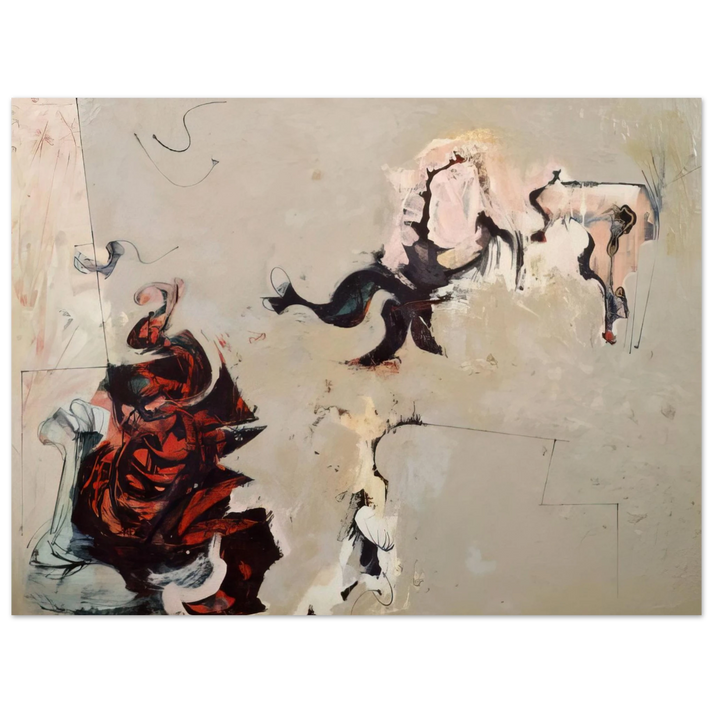
Charles Lapicque - Untitled - 1959 75x100 cm / 30x40inches Fine Art Poster
Charles Lapicque - Untitled - 1959 75x100 cm / 30x40inches Fine Art Poster
Couldn't load pickup availability
Experience the Radiant Abstraction of Charles Lapicque’s 1959 Masterpiece
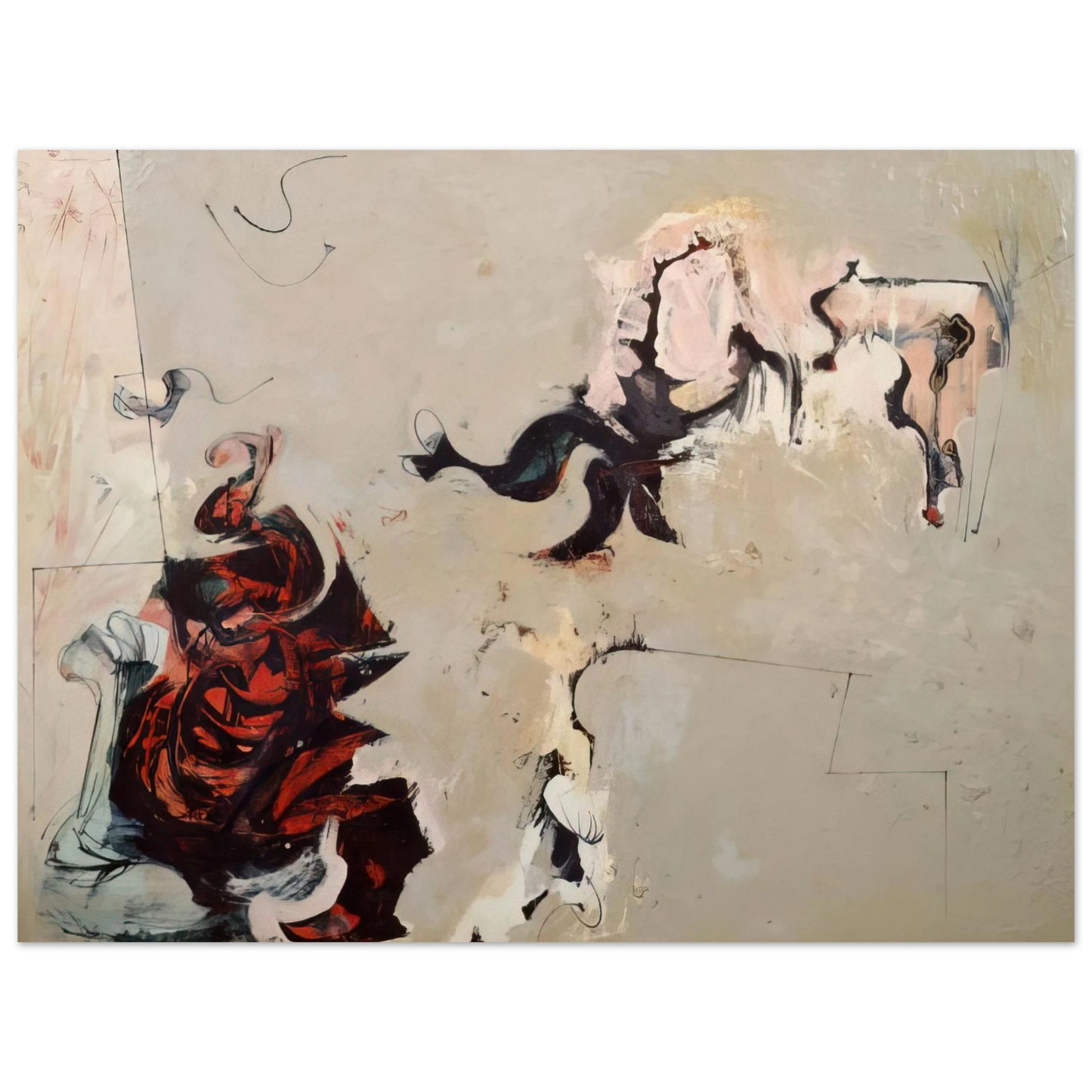
This 1959 Untitled work by the esteemed French artist Charles Lapicque is a masterful synthesis of color theory and rhythmic composition. A central figure in the Nouvelle École de Paris, Lapicque was uniquely both a painter and a scientist; his analytical approach to light and space is evident in the complex, layered structures of this piece. This fine art print captures the energetic brushwork and the luminous, non-naturalistic palette that defined his mature period.
At RedKalion, we believe such significant works deserve a medium that honors their historical legacy. Our museum-quality reproduction is printed on Master's Edition archival paper, specifically selected for its luxurious texture and its ability to render the nuanced hues of Lapicque’s original vision. The matte, uncoated finish provides a sophisticated, glare-free viewing experience, allowing the viewer to appreciate the intricate depth of the 1959 composition in any lighting environment.
- Premium Weight: 250 gsm (110 lb) for a substantial, professional feel that resists creasing.
- Archival Integrity: Acid-free (pH above 7) chemistry to prevent yellowing or degradation over decades.
- Exceptional Thickness: 0.29 mm (11.4 mils) ensures a robust, museum-grade presence when handled or framed.
- Sustainability: Printed on FSC-certified paper, reflecting a commitment to both art and the environment.
Measuring 75x100 cm (30x40 inches), this archival masterpiece serves as a sophisticated focal point for collectors of mid-century modern art. Elevate your space with a curated reproduction that endures, brought to you with the technical precision and curatorial authority of RedKalion.
Discover Unlimited Art Possibilities
At RedKalion, you can find virtually any artwork from any artist, available in a wide range of sizes to perfectly match your space.
If you didn’t find what you’re looking for, contact us at support@redkalion.com . We will source any artwork and produce it in any size and format you need, including art prints, posters, canvas, framed pieces, framed canvas, and more.
For dedicated art enthusiasts, we also offer handcrafted replicas of any artwork, carefully painted by highly skilled artists using traditional techniques.
For custom requests, contact us at support@redkalion.com .
What is the quality of the paper used for this Charles Lapicque print?
We use Master's Edition archival paper, which is a museum-quality, 250 gsm (110 lb) stock. It features a natural white, matte finish that provides a luxurious, uncoated texture for a truly premium feel.
Is this reproduction archival-grade?
Yes. The paper is acid-free with a pH value above 7, which prevents the artwork from yellowing or becoming brittle over time, ensuring your fine art print remains vibrant for generations.
How is the artwork shipped to ensure protection?
Our prints are printed on demand and shipped in protective, high-durability packaging designed for fine art. There are no minimum orders, and each piece is handled with extreme care to ensure it arrives in pristine condition.
Is the paper used for this print sustainably sourced?
Absolutely. We prioritize sustainability by using FSC-certified paper (Forest Stewardship Council). This ensures that your museum-quality reproduction is produced according to the highest environmental and social standards.
Does this print come with a frame?
This product is a premium fine art poster and does not include a frame. This allows you to select a custom framing solution that best fits the aesthetic of your specific interior space.
Who was Charles Lapicque and why is this 1959 work significant?
Charles Lapicque was a pioneering French artist and scientist. His 1959 works represent his mature style within the Nouvelle École de Paris, characterized by a revolutionary use of color and rhythmic grids that bridge abstraction and figuration.
What artistic style does this Untitled 1959 piece represent?
This piece showcases 'rhythmic abstraction.' Lapicque used interlocking lines and vibrant, non-naturalistic colors to suggest movement and depth, departing from traditional perspective to create a more dynamic and emotional visual experience.