RedKalion
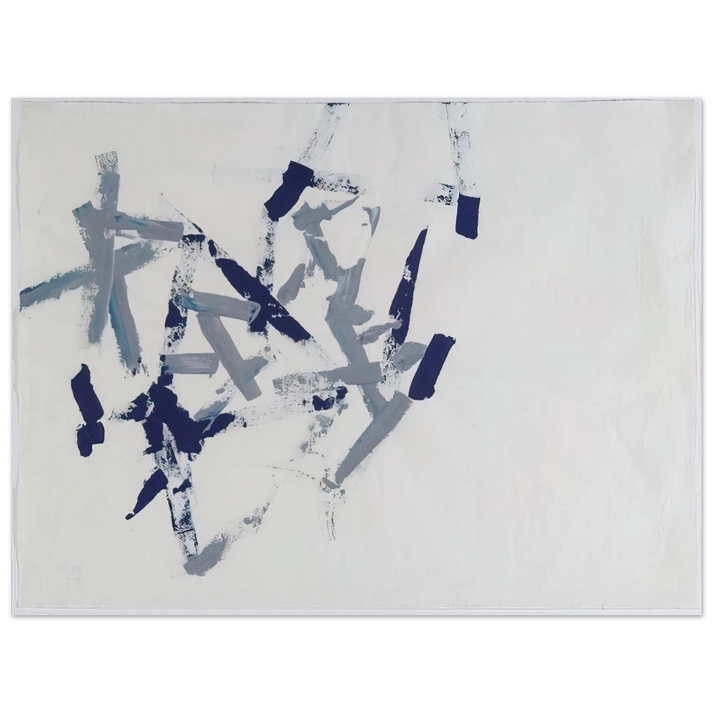
Charlotte Posenenske - Untitled Free Structures - 1962 75x100 cm / 30x40inches Fine Art Poster
Charlotte Posenenske - Untitled Free Structures - 1962 75x100 cm / 30x40inches Fine Art Poster
Couldn't load pickup availability
A Visionary of Minimalist Form: Charlotte Posenenske’s 'Untitled Free Structures' (1962)
Elevate your interior with Charlotte Posenenske's 'Untitled Free Structures' (1962), a seminal work that captures the artist's pivotal transition from gestural abstraction to the modular minimalism that defined her legacy. This fine art print represents a moment of profound exploration in 1960s German avant-garde art, where Posenenske began to investigate the spatial dynamics and structural rhythms that would later evolve into her famous participatory installations.
Museum-Quality Reproductions for the Discerning Collector
At RedKalion, we curate archival-grade masterpieces designed to endure for generations. This museum-quality reproduction is meticulously printed on our Master's Edition archival paper. With a substantial weight of 250 gsm (110 lb) and a thickness of 0.29 mm (11.4 mils), the paper provides a tactile, luxurious feel that mirrors the gravity of the original work. The matte, uncoated finish in a natural white (off-white) tone ensures that every subtle line and tonal shift is rendered with breathtaking clarity without the interference of glare.
Artistic Integrity and Sustainable Craftsmanship
Charlotte Posenenske was known for her radical stance on the accessibility of art, often producing her works in series. Our FSC-certified paper honors this spirit of conscious production. The paper is acid-free (pH above 7), preventing the yellowing or degradation that plagues inferior posters. When you choose a RedKalion print, you are investing in a piece that maintains its structural and visual integrity, offering a sophisticated, cerebral atmosphere to any professional or residential space.
- Artist: Charlotte Posenenske
- Title: Untitled Free Structures (1962)
- Material: 250 gsm Archival Master's Edition Paper
- Longevity: Acid-free, museum-grade materials for lifetime durability
- Sustainability: FSC-certified responsibly sourced paper

Discover Unlimited Art Possibilities
At RedKalion, you can find virtually any artwork from any artist, available in a wide range of sizes to perfectly match your space.
If you didn’t find what you’re looking for, contact us at support@redkalion.com . We will source any artwork and produce it in any size and format you need, including art prints, posters, canvas, framed pieces, framed canvas, and more.
For dedicated art enthusiasts, we also offer handcrafted replicas of any artwork, carefully painted by highly skilled artists using traditional techniques.
For custom requests, contact us at support@redkalion.com .
What defines the quality of this Charlotte Posenenske print?
Our prints use Master's Edition archival paper (250 gsm), ensuring a heavy, premium feel. This museum-quality reproduction captures fine details on a matte, uncoated natural white surface for a luxury aesthetic.
Is the paper used for 'Untitled Free Structures' sustainable?
Yes, RedKalion uses FSC-certified paper. This ensures the material for your fine art poster is sourced from responsibly managed forests, supporting environmental sustainability alongside artistic excellence.
How will the print arrive and is there a minimum order?
There are no minimum orders. Each print is produced on demand and shipped in protective, secure packaging to ensure your artwork arrives in pristine condition at your doorstep.
Will the colors of this 1962 reproduction fade over time?
No, we use acid-free paper with a pH above 7. This archival standard prevents yellowing and preserves the visual brilliance of the artwork for decades, even in changing light conditions.
What is the texture and finish of the Master's Edition paper?
The paper features a luxurious matte, uncoated finish. This natural white (off-white) texture provides a sophisticated look that eliminates glare, making it ideal for high-end interior design.
Who was Charlotte Posenenske and why is this 1962 work significant?
Posenenske was a visionary German minimalist. Her 1962 works mark a critical transition from her earlier palette-knife paintings toward the structural, spatial concepts that revolutionized conceptual and modular art.
How does 'Untitled Free Structures' complement modern interiors?
The rhythmic, minimalist composition of this 1962 piece adds a cerebral and sophisticated focal point to modern spaces, bridging the gap between historical avant-garde and contemporary minimalism.