RedKalion
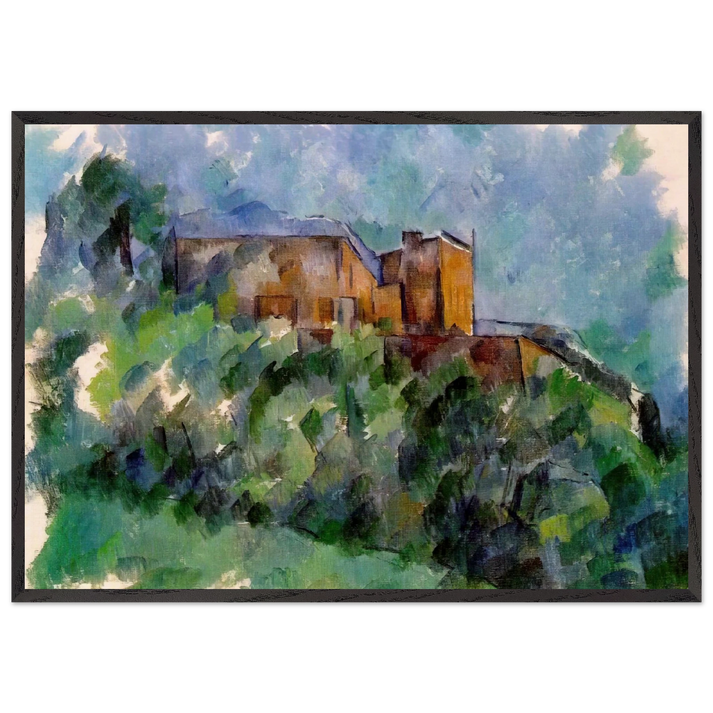
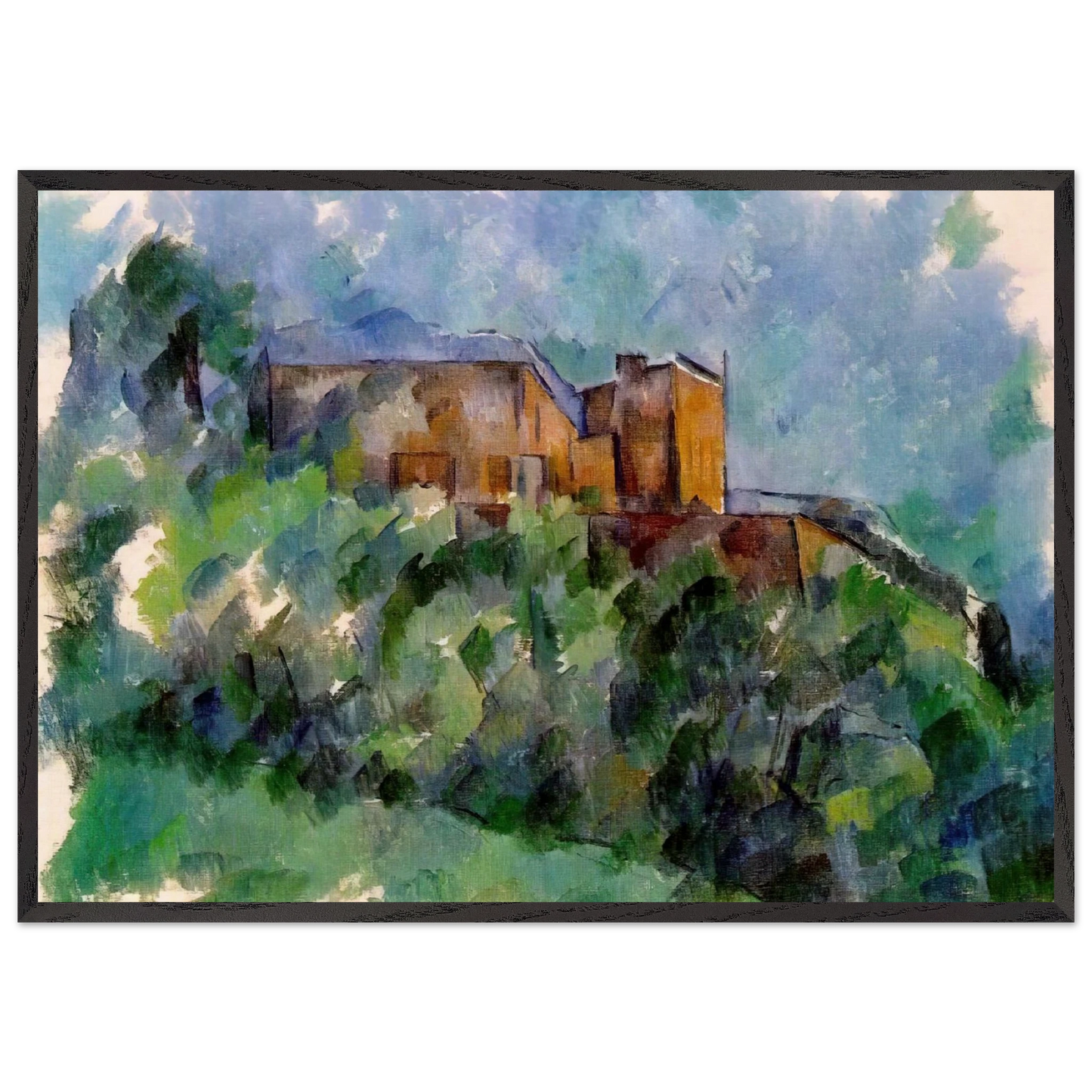
Chateau Noir - Paul Cezanne 70x100 cm / 28x40 inches Framed Art Print – Black Wooden Frame
Chateau Noir - Paul Cezanne 70x100 cm / 28x40 inches Framed Art Print – Black Wooden Frame
Couldn't load pickup availability
Paul Cézanne's Chateau Noir: A Masterpiece of Post-Impressionist Form
Experience the profound depth and structural mastery of Paul Cézanne with this museum-quality reproduction of Chateau Noir. Painted during the artist's mature period between 1900 and 1904, this work represents the pinnacle of his exploration into the geometry of nature. Located near Aix-en-Provence, the Gothic-style 'Black Castle' served as a recurring motif for Cézanne, allowing him to experiment with the 'constructive stroke'—a technique that would later lay the foundations for Cubism and modern art.
This 70x100 cm (28x40 inches) framed art print captures every nuances of Cézanne's palette, from the deep, moody greens of the surrounding pines to the warm, earthy ochres of the stonework. At RedKalion, we specialize in archival-grade reproductions that preserve the emotional intensity and historical integrity of the original canvas. This is not merely a print, but an enduring piece of art history designed to elevate your living or professional space.
Premium Physical Specifications
Our commitment to excellence is reflected in the materials we select. Each Chateau Noir print is produced using 250 gsm (110 lb) natural white, archival museum-quality paper. The matte, uncoated finish ensures that light does not reflect off the surface, allowing the intricate brushwork to remain the focal point. The print is housed in a robust 20mm (0.79") thick black frame, crafted from responsibly sourced oak and ash wood, providing a more substantial and premium presence than standard 14mm frames.
- Authentic Texture: 250 gsm archival-grade paper with a matte finishing.
- Sustainable Craftsmanship: FSC-certified wood frames and sustainable paper materials.
- Gallery Protection: Shatterproof, transparent plexiglass ensures long-term preservation.
- Ready-to-Hang: Delivered with a professional hanging kit for immediate installation.
Discover Unlimited Art Possibilities
At RedKalion, you can find virtually any artwork from any artist, available in a wide range of sizes to perfectly match your space.
If you didn’t find what you’re looking for, contact us at support@redkalion.com . We will source any artwork and produce it in any size and format you need, including art prints, posters, canvas, framed pieces, framed canvas, and more.
For dedicated art enthusiasts, we also offer handcrafted replicas of any artwork, carefully painted by highly skilled artists using traditional techniques.
For custom requests, contact us at support@redkalion.com .
What kind of paper is used for this Cézanne print?
We use 250 gsm (110 lb) museum-quality paper. It is natural white, matte, and uncoated to ensure archival longevity and a glare-free viewing experience for your fine art reproduction.
What are the dimensions and material of the frame?
The frame is 20mm (0.79") thick and wide, crafted from premium black-stained oak and ash wood. All framing materials are FSC-certified, ensuring environmental responsibility and structural durability.
How is the artwork protected during shipping?
Your print is protected by shatterproof, transparent plexiglass and is shipped in specialized, secure packaging to ensure it arrives in pristine condition at your doorstep.
Is the Chateau Noir print ready to hang?
Yes, your framed art print arrives fully assembled. It includes a professional-grade hanging kit, allowing you to display your new masterpiece immediately upon arrival.
How long will the colors of this print last?
By using archival-grade paper and acid-free materials, our prints are designed to resist yellowing and fading, preserving the vibrancy of Cézanne’s palette for decades.
What is the historical significance of the Chateau Noir in Cézanne's career?
Chateau Noir represents Cézanne's transition toward proto-Cubism. It highlights his obsession with structural permanence and the use of color to define form rather than just light.
Where was the original Chateau Noir painted?
The original inspiration was a neo-Gothic building near Aix-en-Provence, France. Cézanne rented a room there to study the interplay between man-made structures and the rugged Provençal landscape.