

RedKalion
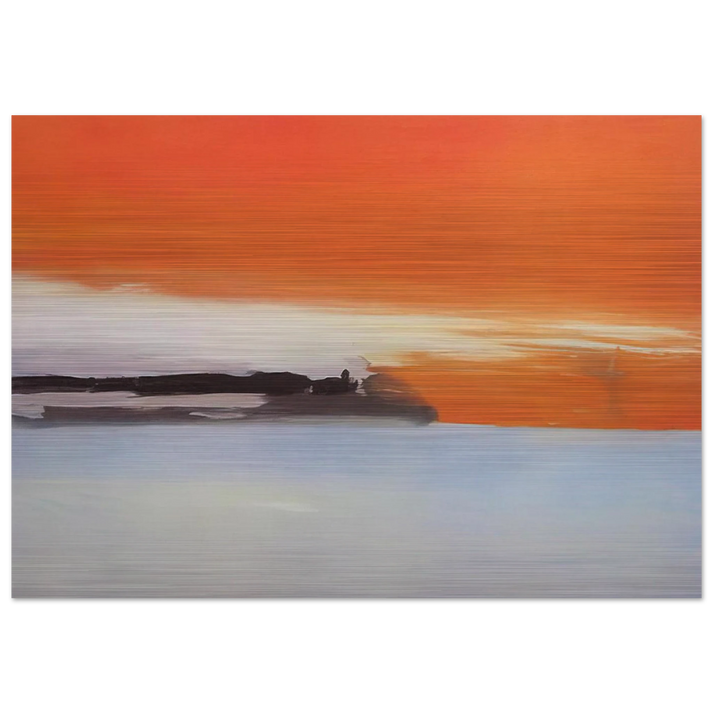
Chemin de fer au bord de la mer, soleil couchant - 1955 - Nicolas de Stael Brushed Aluminum Print - 70x100 cm / 28x40 inches | Nicolas de Stael Aluminum Print | Nicolas de Stael Prints
Chemin de fer au bord de la mer, soleil couchant - 1955 - Nicolas de Stael Brushed Aluminum Print - 70x100 cm / 28x40 inches | Nicolas de Stael Aluminum Print | Nicolas de Stael Prints
Couldn't load pickup availability
The Luminous Legacy of Nicolas de Staël: Chemin de fer au bord de la mer
In the final months of his life in 1955, Nicolas de Staël achieved a sublime synthesis of light and structure. Chemin de fer au bord de la mer, soleil couchant is a masterwork of lyrical abstraction, capturing the fleeting intersection of industrial geometry and the natural horizon of the Mediterranean. This museum-quality reproduction honors de Staël's unique ability to translate the weight of the landscape into blocks of pure, vibrant color.
An Archival Masterpiece on Brushed Aluminum
RedKalion elevates this iconic 1955 composition by presenting it on a Brushed Silver Aluminum DIBOND® substrate. This medium is particularly suited to de Staël’s work; the horizontal grain of the 3mm (0.12") aluminum plate echoes the linear movement of the railway and the horizon line. The unique metallic finish allows white and light-filled areas of the sunset to shimmer with a silver effect, creating a dynamic viewing experience that changes with the ambient light in your room.
- Sophisticated Finish: A matte, glare-free surface ensures the profound depth of de Staël's color palette remains the focus, even in brightly lit environments.
- Durability and Elegance: The 3mm aluminum base provides a rigid, durable, and lightweight structure that resists warping over time.
- Ready to Display: Each 70x100 cm print arrives with a professional hanging kit tailored to your region, ensuring a seamless installation for your gallery wall.
Art Historical Context
By 1955, de Staël had moved away from the thick impasto of his earlier years toward a more fluid, yet intensely structured approach. In this piece, the railway serves as a conduit between the observer and the vastness of the setting sun. By choosing a fine art print on aluminum, you are not just purchasing a reproduction; you are acquiring a piece of curated history that reflects the avant-garde spirit of 20th-century French painting. Elevate your space with an archival masterpiece that endures through time and trend.


Discover Unlimited Art Possibilities
At RedKalion, you can find virtually any artwork from any artist, available in a wide range of sizes to perfectly match your space.
If you didn’t find what you’re looking for, contact us at support@redkalion.com . We will source any artwork and produce it in any size and format you need, including art prints, posters, canvas, framed pieces, framed canvas, and more.
For dedicated art enthusiasts, we also offer handcrafted replicas of any artwork, carefully painted by highly skilled artists using traditional techniques.
For custom requests, contact us at support@redkalion.com .
What are the dimensions and material of this print?
This Nicolas de Staël print measures 70x100 cm (28x40 inches) and is crafted on premium 3mm Brushed Silver Aluminum DIBOND®, offering a sophisticated metallic finish and exceptional durability.
How does the brushed aluminum affect the artwork's appearance?
The brushed silver aluminum adds a metallic grain and a unique silver shimmer to unprinted areas, enhancing the light and texture of de Staël’s sunset colors with a matte, glare-free finish.
Is the print ready to hang upon delivery?
Yes, your RedKalion fine art print includes a professional hanging kit. The specific kit varies by fulfillment country to ensure the safest and most efficient installation for your space.
How long will this museum-quality reproduction last?
Our Aluminum DIBOND® prints are archival-grade and highly durable. The direct-to-panel printing technique ensures vivid color retention and resistance to environmental factors for decades.
What is the shipping policy for this large-format print?
We provide secure, premium packaging for all 70x100 cm prints. Shipping is handled by specialist couriers to ensure your Nicolas de Staël masterpiece arrives in pristine condition.
What was the inspiration behind Chemin de fer au bord de la mer?
Painted in 1955 in Antibes, this work reflects de Staël's obsession with Mediterranean light and his mastery of balancing industrial elements like the railway with the poetic beauty of a coastal sunset.
Why is Nicolas de Staël’s 1955 period so significant?
The year 1955 represents the apex of de Staël’s career, where he successfully bridged the gap between pure abstraction and recognizable figuration, creating some of the most emotionally resonant works of the post-war era.