

RedKalion
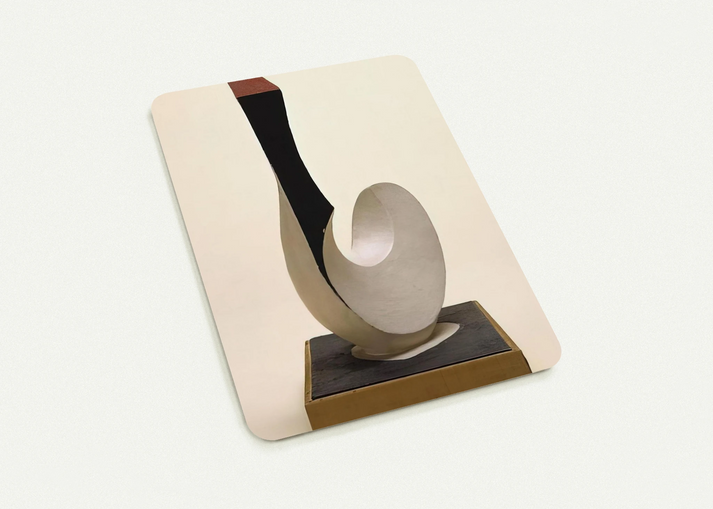
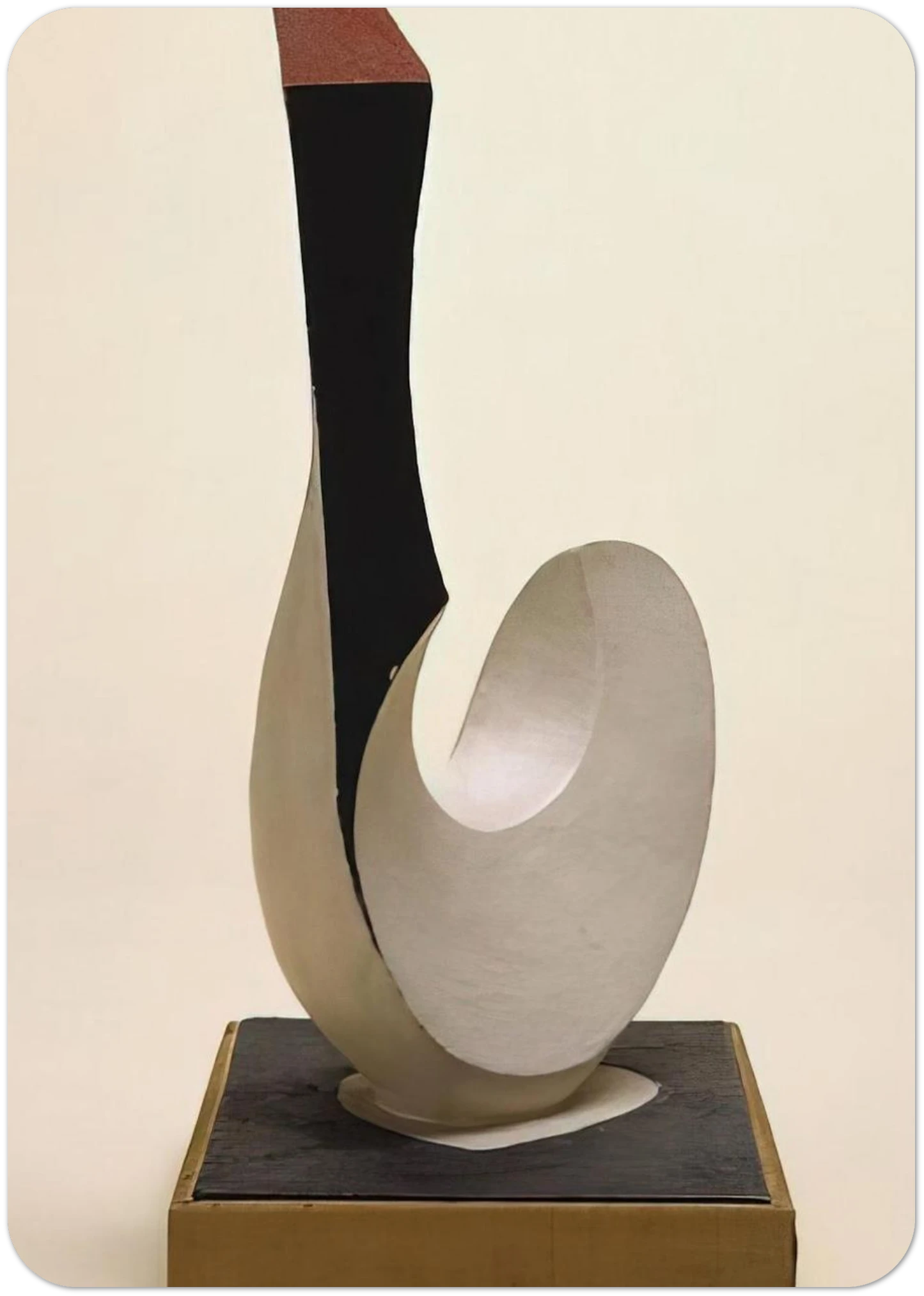
CHICKEN AND EGG 1946 By Kurt Schwitters Pack of 10 Post Cards | Kurt Schwitters Post Cards | A6 (10.5 x 14.8 cm) - 4.1 x 5.8 inches
CHICKEN AND EGG 1946 By Kurt Schwitters Pack of 10 Post Cards | Kurt Schwitters Post Cards | A6 (10.5 x 14.8 cm) - 4.1 x 5.8 inches
Couldn't load pickup availability
Rediscover the Playful Genius of Kurt Schwitters: 'Chicken and Egg' (1946)
Elevate your personal correspondence or home gallery with this exclusive pack of 10 Kurt Schwitters fine art postcards. Featuring the whimsical yet profound 1946 work Chicken and Egg, these postcards capture the late-period mastery of the pioneer of Dadaism and Merz art. Created during Schwitters' final years in the English Lake District, this piece represents a sophisticated culmination of his 'Merz' philosophy—the artistic transformation of everyday objects and concepts into complex, multidimensional narratives.
Museum-Quality Reproductions for the Discerning Collector
At RedKalion, we believe that even the smallest formats deserve the highest fidelity. These A6 postcards are produced using 12-color fine art printing technology, ensuring that the subtle tonal shifts and texture of Schwitters' original composition are preserved with stunning accuracy. Unlike standard 4-color commercial prints, our process delivers a depth of color that honors the artist's visionary use of form and space.
- Artist: Kurt Schwitters (1887–1948)
- Paper Quality: 200 gsm (80 lb) professional-grade paper with a 0.26 mm thickness for a premium, substantial feel.
- Finish: A smooth matte, glare-free surface that emphasizes the intricate details of the artwork.
- Sustainability: Printed on FSC-certified, environmentally conscious materials.
- Format: A6 size (10.5 x 14.8 cm / 4.1 x 5.8 inches), ideal for framing or thoughtful gifting.
Whether you are a scholar of the Dada movement or a lover of modern abstract expression, these archival-grade postcards offer a tangible connection to art history. Trust RedKalion to deliver a museum-quality experience that transcends the standard postcard, turning every note into a curated masterpiece.


Discover Unlimited Art Possibilities
At RedKalion, you can find virtually any artwork from any artist, available in a wide range of sizes to perfectly match your space.
If you didn’t find what you’re looking for, contact us at support@redkalion.com . We will source any artwork and produce it in any size and format you need, including art prints, posters, canvas, framed pieces, framed canvas, and more.
For dedicated art enthusiasts, we also offer handcrafted replicas of any artwork, carefully painted by highly skilled artists using traditional techniques.
For custom requests, contact us at support@redkalion.com .
What printing technology is used for the Kurt Schwitters postcards?
We utilize advanced 12-color fine art printing technology. This ensures vivid color accuracy and depth that far exceeds standard 4-color inkjet printing, capturing every nuance of Schwitters' original 1946 work.
What is the weight and finish of the postcard paper?
Each postcard is printed on 200 gsm (80 lb) paper with a thickness of 0.26 mm. The smooth matte finish provides a clean, glare-free display, perfect for both writing and framing.
Are the materials used for these postcards eco-friendly?
Yes. RedKalion is committed to sustainability; all our postcards are printed on demand using FSC-certified paper, ensuring responsible forestry practices and reducing waste.
How are these fine art postcards shipped?
Our postcards are printed on demand and carefully packaged to ensure they arrive in pristine condition. Because we print to order, we maintain high quality control without the need for mass-produced inventory.
What are the exact dimensions of the postcards?
These are standard A6 postcards, measuring 10.5 x 14.8 cm (4.1 x 5.8 inches). They are perfectly sized for standard A6 frames or international mailing.
What does the term 'Merz' mean in the context of Schwitters' work?
'Merz' was a term coined by Kurt Schwitters to describe his unique brand of Dadaism. It refers to the practice of creating art from found objects and disparate elements to build a unified, harmonious composition.
Why is 'Chicken and Egg' (1946) historically significant?
Created in 1946, this work stems from Schwitters' later years in England. It reflects a more organic, surrealist influence compared to his earlier mechanical collages, showcasing the evolution of his style before his death in 1948.