RedKalion
China Series A, ”Flamingo” - 1975 - Doug Ohlson Acrylic Print - 70x100 cm / 28x40″ inches | Doug Ohlson Wall Art | Doug Ohlson Prints
China Series A, ”Flamingo” - 1975 - Doug Ohlson Acrylic Print - 70x100 cm / 28x40″ inches | Doug Ohlson Wall Art | Doug Ohlson Prints
Couldn't load pickup availability
Rediscover Geometric Abstraction: China Series A, "Flamingo" (1975)
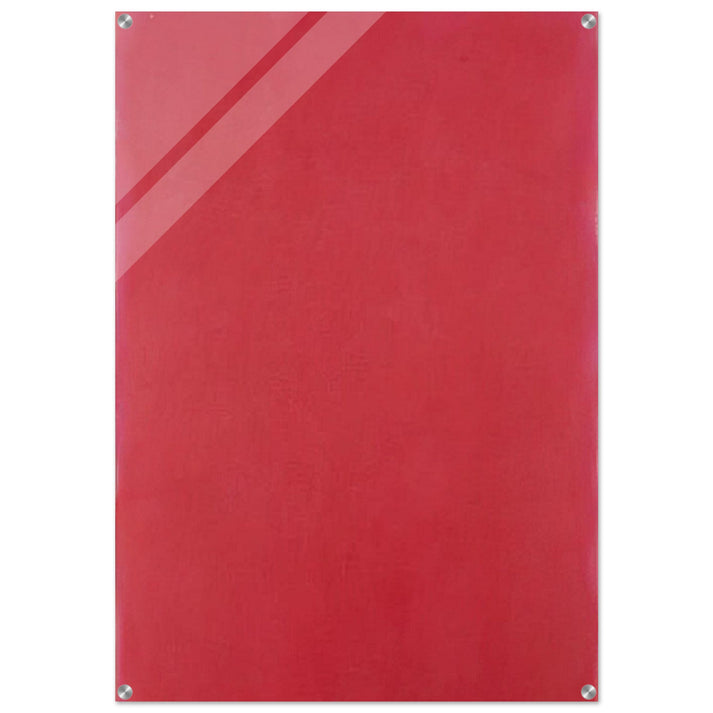
Invite the sophisticated rhythm of Doug Ohlson into your curated space with this museum-quality reproduction of China Series A, "Flamingo" (1975). As a central figure in the late 20th-century Color Field movement, Ohlson’s work is characterized by a profound exploration of color, space, and optical vibration. This piece, part of his esteemed China Series, demonstrates his mastery of tonal harmony and structural precision, making it an essential acquisition for enthusiasts of minimalist and abstract expressionist wall art.
The Artistry of Doug Ohlson
By 1975, Doug Ohlson had refined his technique to create compositions that feel both architecturally sound and atmospherically weightless. "Flamingo" utilizes a palette that evokes warmth and depth, utilizing vertical forms to guide the viewer's eye through a rhythmic dance of color. This print captures the subtle nuances of Ohlson’s original acrylic application, preserving the integrity of his vision for a contemporary audience.
RedKalion’s Museum-Quality Acrylic Medium
At RedKalion, we believe world-class art deserves a medium that enhances its inherent beauty. Our Doug Ohlson prints are rendered on 4mm (0.15") high-grade acrylic, offering a sleek, vibrant, and incredibly durable finish. The depth of the acrylic provides a three-dimensional quality to the colors, causing the reds and pinks of "Flamingo" to glow with an inner light that traditional paper prints cannot replicate.
Precision Craftsmanship and Installation
- Sleek Design: Features straight-cut corners for a modern, gallery-ready aesthetic.
- Archival Longevity: The 4mm acrylic protects the pigment from dust and moisture, ensuring your masterpiece endures for generations.
- Complete Hanging Kit: Each piece arrives with premium hardware, including screws and pre-drilled holes at each corner (14mm from the edge) for a seamless, floating installation.
- Clarity: Transparent backgrounds default to white, ensuring the "Flamingo" palette remains true and vivid.
Elevate your interior with a piece that balances historical significance with contemporary manufacturing. This is not just a print; it is a legacy of American abstraction curated by RedKalion.

Discover Unlimited Art Possibilities
At RedKalion, you can find virtually any artwork from any artist, available in a wide range of sizes to perfectly match your space.
If you didn’t find what you’re looking for, contact us at support@redkalion.com . We will source any artwork and produce it in any size and format you need, including art prints, posters, canvas, framed pieces, framed canvas, and more.
For dedicated art enthusiasts, we also offer handcrafted replicas of any artwork, carefully painted by highly skilled artists using traditional techniques.
For custom requests, contact us at support@redkalion.com .
What defines the quality of a Doug Ohlson acrylic print?
Our Doug Ohlson prints use 4mm archival-grade acrylic, which provides superior color depth and light refraction compared to standard glass or paper, ensuring a museum-quality finish for "Flamingo" (1975).
How is the mounting hardware configured for this piece?
Each print includes a professional hanging kit with screws. Holes are pre-drilled 14mm from each corner with an 8mm diameter, designed to fit the included 15mm screw heads for a secure, modern mount.
Is the "Flamingo" print durable for long-term display?
Yes. The 0.15" thick acrylic is shatter-resistant and protects the artwork from environmental factors, maintaining the vibrant colors of Ohlson's palette for decades without fading.
How do the colors in "China Series A" translate to acrylic?
The acrylic medium enhances the saturation and tonal shifts of the 1975 original. The material captures the subtle "vibration" between color fields that Doug Ohlson was famous for achieving.
What is the shipping and handling process for RedKalion prints?
We utilize specialized, high-impact packaging to ensure your acrylic print arrives in pristine condition. Each piece is handled with white-glove care and includes all necessary installation hardware.
What characterizes Doug Ohlson's "China Series" from 1975?
The China Series represents Ohlson's shift toward complex, rhythmic vertical bars and sophisticated tonal layering, moving away from his earlier, more rigid geometric panels of the 1960s.
Why is "Flamingo" considered a significant example of Color Field abstraction?
"Flamingo" highlights Ohlson’s ability to use color as a structural element. It demonstrates how minimalist forms can evoke deep emotional responses through precise chromatic relationships and spatial depth.