RedKalion
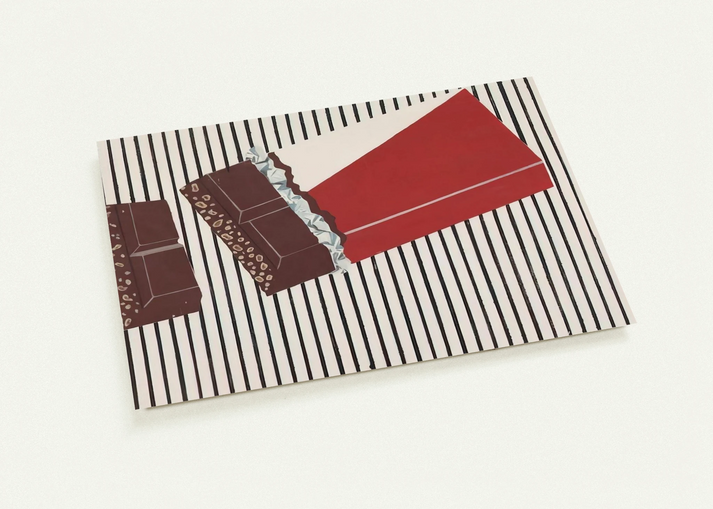
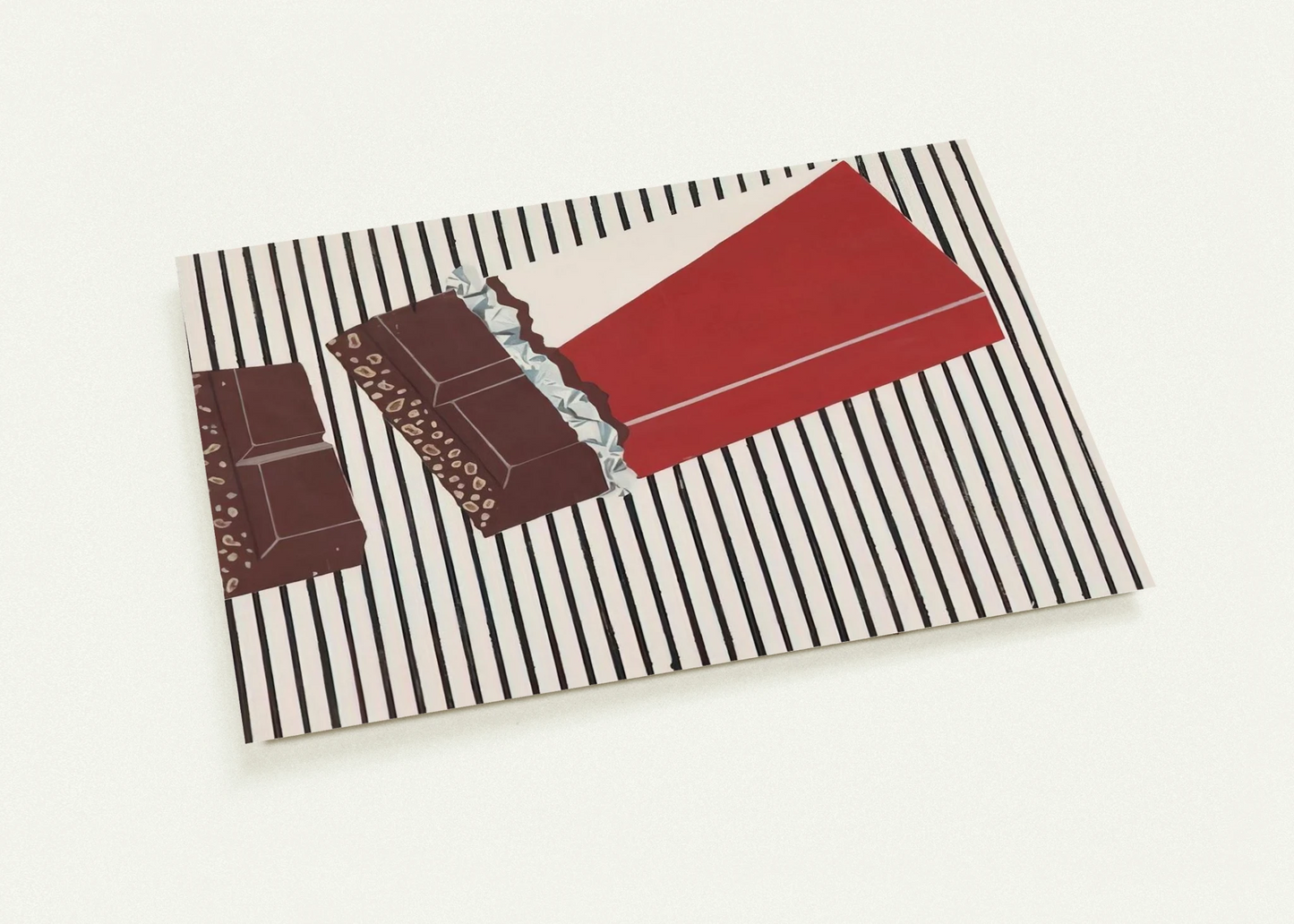
CHOCOLATE PAINTING SCHOKOLADENBILD 1964 By Sigmar Polke Pack of 10 Post Cards | Sigmar Polke Post Cards | A6 (10.5 x 14.8 cm) - 4.1 x 5.8 inches
CHOCOLATE PAINTING SCHOKOLADENBILD 1964 By Sigmar Polke Pack of 10 Post Cards | Sigmar Polke Post Cards | A6 (10.5 x 14.8 cm) - 4.1 x 5.8 inches
Couldn't load pickup availability
Elevate Your Correspondence with Sigmar Polke’s Schokoladenbild (1964)
Experience the subversive charm of German Capitalist Realism with this premium set of 10 post cards featuring Sigmar Polke’s iconic Chocolate Painting (Schokoladenbild) from 1964. A pivotal figure in the post-war European avant-garde, Polke utilized mundane, mass-produced imagery to critique the burgeoning consumer culture of the 1960s. This specific work, with its rhythmic arrangement of chocolates, serves as a sophisticated commentary on desire, repetition, and the commodification of art itself.
Museum-Quality Reproductions by RedKalion
At RedKalion, we bridge the gap between historical significance and modern archival standards. These are not standard stationery items; they are meticulous fine art prints scaled for personal connection. Utilizing state-of-the-art 12-color fine art printing, we capture the subtle tonal shifts and texture of Polke’s original vision with a depth that standard 4-color processes cannot replicate.
Premium Material Specifications
- Paper Quality: Sturdy 200 gsm (80 lb) paper weight with a thickness of 0.26 mm (10.3 mils).
- Finish: A refined, smooth matte finish that eliminates glare while enhancing the tactile experience.
- Sustainability: Printed on FSC-certified, environmentally conscious paper.
- Dimensions: Classic A6 format (10.5 x 14.8 cm / 4.1 x 5.8 inches).
- Vibrancy: High-definition pigments ensure archival longevity and color accuracy.
Whether used for thoughtful correspondence or displayed as a curated miniature gallery, these Sigmar Polke post cards offer an enduring connection to one of the most influential artists of the 20th century. RedKalion remains the definitive choice for those who demand archival-grade quality in every print.
Discover Unlimited Art Possibilities
At RedKalion, you can find virtually any artwork from any artist, available in a wide range of sizes to perfectly match your space.
If you didn’t find what you’re looking for, contact us at support@redkalion.com . We will source any artwork and produce it in any size and format you need, including art prints, posters, canvas, framed pieces, framed canvas, and more.
For dedicated art enthusiasts, we also offer handcrafted replicas of any artwork, carefully painted by highly skilled artists using traditional techniques.
For custom requests, contact us at support@redkalion.com .
What printing technology is used for these postcards?
We utilize advanced 12-color fine art printing technology, which provides significantly greater color depth and accuracy than standard inkjet printers.
What is the weight and feel of the paper?
Each card is printed on 200 gsm (80 lb) FSC-certified paper, featuring a smooth matte finish and a substantial 0.26 mm thickness.
What are the exact dimensions of the Sigmar Polke cards?
These postcards are A6 size, measuring exactly 10.5 x 14.8 cm, or approximately 4.1 x 5.8 inches, perfect for standard framing.
Are the materials used for these prints eco-friendly?
Yes, RedKalion is committed to sustainability; all postcards are printed on demand using environmentally conscious, FSC-certified paper stocks.
How long will the colors stay vibrant?
Our archival-grade pigments and 12-color process ensure museum-quality longevity, resisting fading and maintaining vibrancy for decades in proper conditions.
What is the art historical significance of Schokoladenbild?
Created in 1964, it is a hallmark of Capitalist Realism, Polke's ironic response to Pop Art and the post-war German consumer miracle.
Why did Polke choose chocolate as a subject?
Chocolate represented a luxury accessible to the masses, allowing Polke to explore themes of consumer desire, boredom, and domestic comfort.