RedKalion
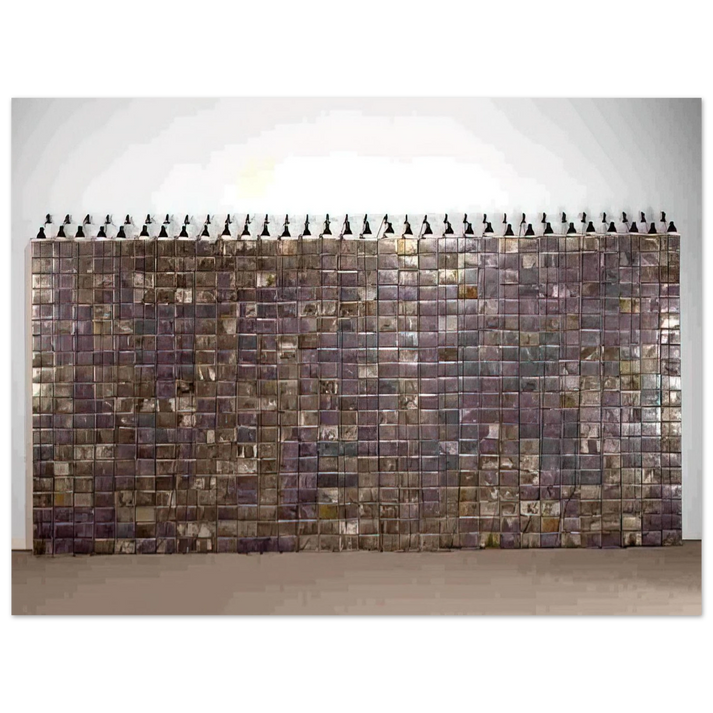
Christian Boltanski - C BOLTANSKI ARCHIVES 1989 75x100 cm / 30x40inches Fine Art Poster
Christian Boltanski - C BOLTANSKI ARCHIVES 1989 75x100 cm / 30x40inches Fine Art Poster
Couldn't load pickup availability
Experience the Haunting Beauty of Christian Boltanski's Archives 1989
Christian Boltanski's "C BOLTANSKI ARCHIVES 1989" is a profound exploration of memory, identity, and the passage of time. As a cornerstone of contemporary conceptual art, this piece invites the viewer to reflect on the fragility of human existence. RedKalion is proud to offer this museum-quality reproduction, capturing the somber elegance and emotional weight of Boltanski’s original vision.
Boltanski often utilized archival imagery and mundane objects to create a "theatre of memory." In this 1989 composition, the interplay of light and shadow serves as a metaphor for the fading traces of lives once lived. Our fine art print preserves every nuanced detail of this conceptual masterpiece, ensuring that its historical and aesthetic resonance remains intact for your collection.
Exquisite Materiality and Archival Excellence
At RedKalion, we believe that world-class art deserves world-class materials. This Christian Boltanski poster is produced on our Master's Edition archival paper, chosen for its exceptional durability and luxurious feel. The specifications of this premium reproduction include:
- Paper Weight: A substantial 250 gsm (110 lb) for a heavy, professional feel.
- Finish: A sophisticated matte, uncoated surface that eliminates glare and enhances the depth of the tonal gradients.
- Natural White Tone: An off-white hue that provides a timeless, gallery-standard aesthetic.
- Longevity: Acid-free (pH above 7) composition prevents yellowing and degradation over time.
- Sustainability: Printed on FSC-certified paper, reflecting a commitment to environmental responsibility.
By choosing RedKalion, you are acquiring an archival-grade masterpiece. We utilize advanced print-on-demand technology with no minimum orders, ensuring each piece is crafted specifically for you with the precision of a curated gallery.
Discover Unlimited Art Possibilities
At RedKalion, you can find virtually any artwork from any artist, available in a wide range of sizes to perfectly match your space.
If you didn’t find what you’re looking for, contact us at support@redkalion.com . We will source any artwork and produce it in any size and format you need, including art prints, posters, canvas, framed pieces, framed canvas, and more.
For dedicated art enthusiasts, we also offer handcrafted replicas of any artwork, carefully painted by highly skilled artists using traditional techniques.
For custom requests, contact us at support@redkalion.com .
What are the paper specifications for this Boltanski print?
This print uses Master's Edition archival paper. It is 250 gsm (110 lb) with a thickness of 0.29 mm, providing a heavy, museum-quality feel with a matte, uncoated finish.
Is this Christian Boltanski reproduction archival-safe?
Yes. The paper is acid-free with a pH above 7, which prevents the artwork from yellowing or becoming brittle, ensuring it remains in pristine condition for decades.
How is the artwork shipped?
Our fine art prints are printed and shipped on demand with no minimum order requirements. We use secure, protective packaging to ensure your museum-quality reproduction arrives in perfect condition.
What is the texture and finish of the paper?
The print features a matte, natural white (off-white) finish. Being uncoated, it offers a luxurious tactile texture that reduces glare and highlights the conceptual depth of the artwork.
Is the paper used for this print sustainable?
Absolutely. We prioritize environmental ethics by using FSC-certified paper, ensuring that your art collection supports responsible forest management practices.
Who was Christian Boltanski?
Christian Boltanski was a premier French conceptual artist known for his installations. His work explores themes of memory, death, and the persistence of individual identity through archival imagery.
What does the "Archives" series represent in Boltanski's work?
The "Archives" series utilizes photographs and objects to represent anonymous human lives. It serves as a visual monument to the tension between collective memory and the inevitable fading of personal history.