RedKalion
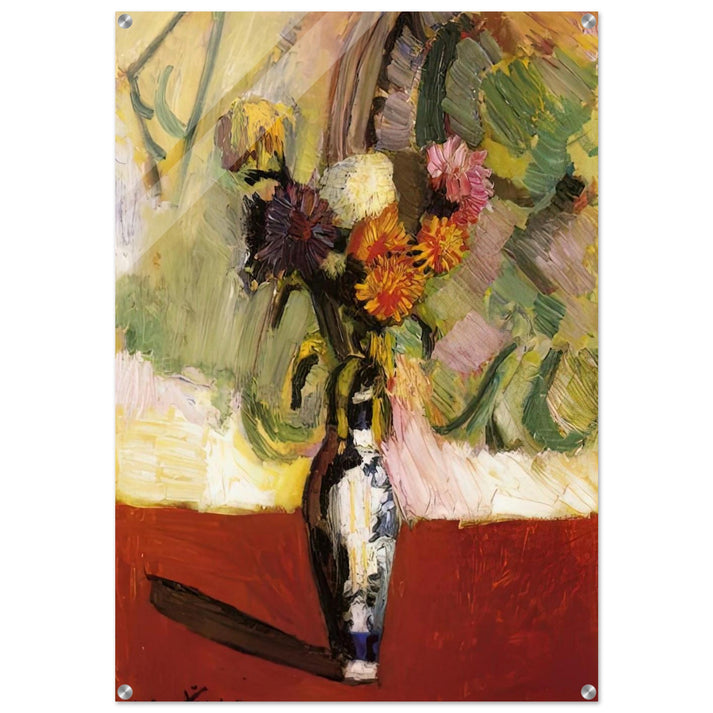
CHRYSANTHEMUMS IN A CHINESE VASE 1902 - Henri Matisse Acrylic Print - 70x100 cm / 28x40″ inches
CHRYSANTHEMUMS IN A CHINESE VASE 1902 - Henri Matisse Acrylic Print - 70x100 cm / 28x40″ inches
Couldn't load pickup availability
The Vibrant Mastery of Henri Matisse: Chrysanthemums in a Chinese Vase (1902)
Experience the early genius of Henri Matisse with this exquisite reproduction of Chrysanthemums in a Chinese Vase (1902). Painted during a pivotal moment in Matisse’s career, this work captures the artist’s transition from the structured echoes of Post-Impressionism toward the bold, emotive freedom of Fauvism. At RedKalion, we bring this historical masterpiece into the modern era using museum-quality 4mm (0.15") acrylic, ensuring that every brushstroke and subtle hue is rendered with breathtaking depth and clarity.
A Glimpse into Art History
In 1902, Matisse was refining his color theory, exploring how light interacts with form. This piece showcases a sophisticated contrast between the organic, textured petals of the chrysanthemums and the cool, glazed surface of the Chinese porcelain. The choice of subjects reflects the era’s fascination with Chinoiserie and the decorative arts, a theme Matisse would revisit throughout his life. Our fine art print preserves these nuances, providing an archival-grade visual experience that serves as both a centerpiece and a historical conversation starter.
Modern Sophistication and Archival Durability
RedKalion elevates your space by merging historical weight with contemporary design. This 70x100 cm (28x40″) acrylic print features straight-cut corners and a sleek profile that eliminates the need for a traditional frame, allowing the art to take center stage. The 4mm acrylic construction provides a vibrant, glass-like finish that is remarkably durable and resistant to fading, ensuring your museum-quality reproduction remains a legacy piece in your collection.
- Premium Finish: 4mm acrylic provides a sleek, high-gloss, and vibrant aesthetic.
- Installation Ready: Includes a high-grade hanging kit with screws and pre-drilled holes.
- Precise Engineering: 15mm screw heads with 14mm edge spacing for a secure, balanced mount.
- Vivid Presentation: Transparent backgrounds default to white to maintain the integrity of Matisse’s color palette.
Discover Unlimited Art Possibilities
At RedKalion, you can find virtually any artwork from any artist, available in a wide range of sizes to perfectly match your space.
If you didn’t find what you’re looking for, contact us at support@redkalion.com . We will source any artwork and produce it in any size and format you need, including art prints, posters, canvas, framed pieces, framed canvas, and more.
For dedicated art enthusiasts, we also offer handcrafted replicas of any artwork, carefully painted by highly skilled artists using traditional techniques.
For custom requests, contact us at support@redkalion.com .
What makes the RedKalion acrylic finish unique for this Matisse print?
RedKalion uses 4mm (0.15") high-grade acrylic, which enhances color depth and light refraction. This creates a vibrant, three-dimensional effect that traditional canvas cannot match, perfectly suiting Matisse’s bold 1902 palette.
How is the 70x100 cm artwork mounted to the wall?
Each print includes a professional hanging kit. The acrylic features pre-drilled holes at each corner (14mm from the edge), with 15mm screw heads and hardware included for a secure, sleek, modern installation.
How is the print shipped to ensure it arrives in museum condition?
We use specialized, high-impact protective packaging designed for large-format acrylic. Each piece is securely braced and cushioned to prevent scratches or cracks during its journey from our gallery to your home.
Will the colors of this Matisse print fade over time?
No. Our archival-grade printing process utilizes UV-resistant inks and premium acrylic. This combination protects the pigments from sunlight and environmental aging, ensuring your fine art print maintains its vibrancy for decades.
Why are transparent backgrounds printed with a white layer?
To ensure the colors of Matisse’s 'Chrysanthemums' remain vivid and true to the original, we apply a white backing. This prevents wall color bleed-through and maintains the high-contrast brilliance of the acrylic finish.
What was Matisse's artistic focus during 1902?
In 1902, Matisse was in his 'Dark Period,' experimenting with somber tones and structural discipline before the explosion of Fauvism. This piece represents his mastery of light and shadow within traditional still life.
Why are chrysanthemums significant in Matisse's early work?
Chrysanthemums allowed Matisse to explore complex textures and organic forms. They served as a bridge between his academic training and his emerging interest in the decorative, rhythmic patterns that would later define his career.