RedKalion
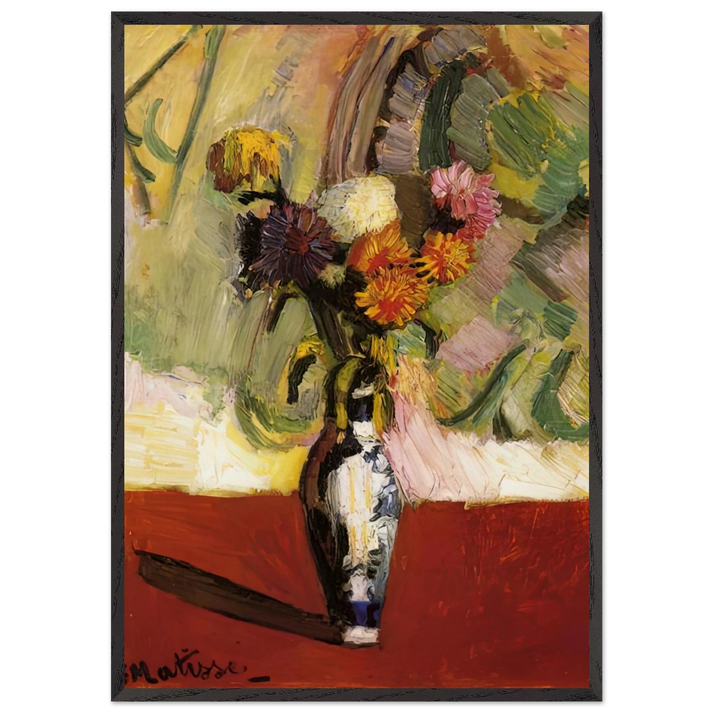
CHRYSANTHEMUMS IN A CHINESE VASE 1902 - Henri Matisse 70x100 cm / 28x40 inches Framed Art Print – Black Wooden Frame
CHRYSANTHEMUMS IN A CHINESE VASE 1902 - Henri Matisse 70x100 cm / 28x40 inches Framed Art Print – Black Wooden Frame
Couldn't load pickup availability
Experience the Early Mastery of Henri Matisse
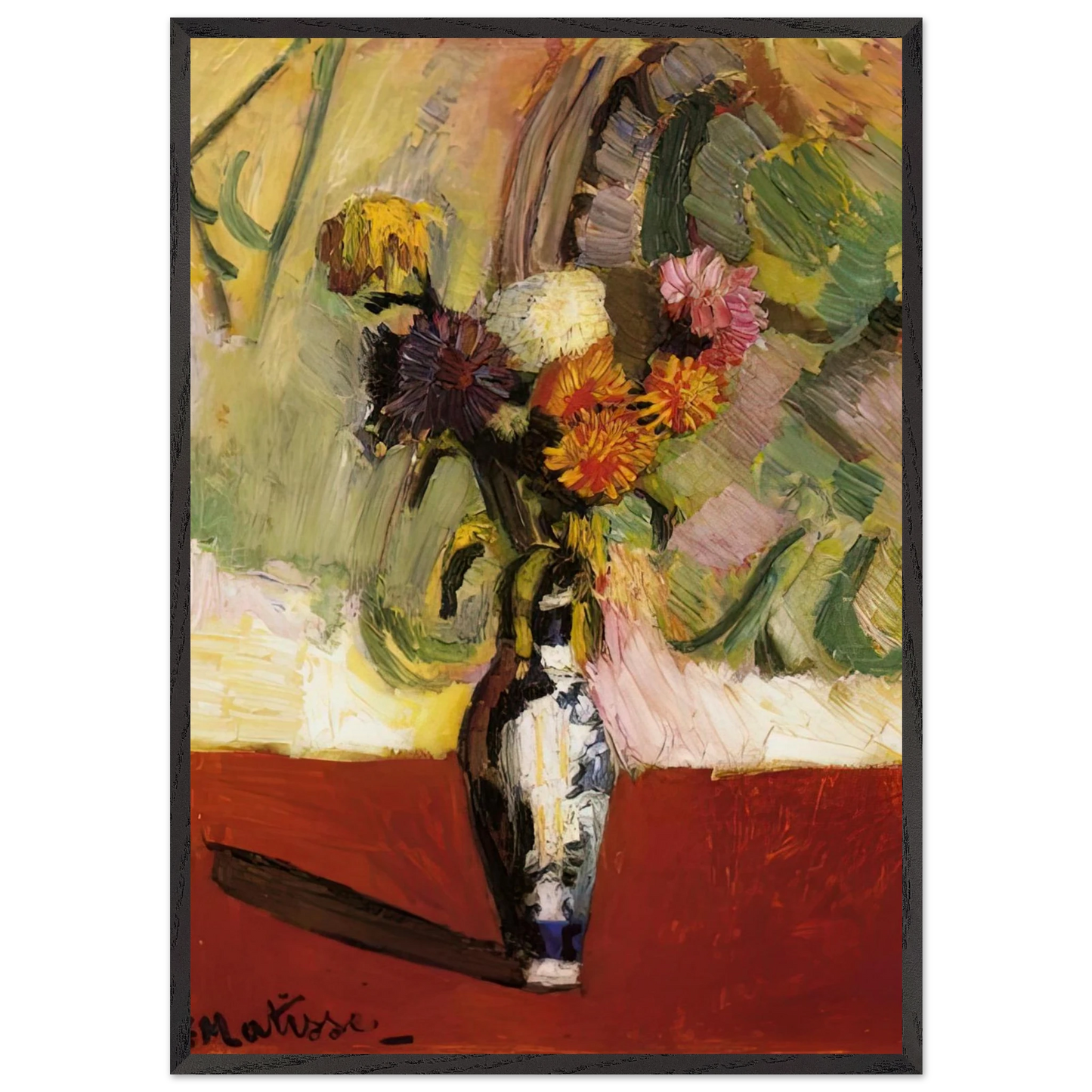
Henri Matisse’s Chrysanthemums in a Chinese Vase (1902) represents a pivotal moment in the artist's career, bridging the gap between his traditional studies and the vibrant Fauvist revolution that would soon follow. This museum-quality reproduction captures the rich textures and somber elegance of Matisse’s 'Dark Period,' where he explored the depth of form and the subtle play of light on organic shapes. The deep tones of the chrysanthemums contrast beautifully with the ornate patterns of the porcelain, showcasing a young master’s command over still life composition.
At RedKalion, we preserve the integrity of this archival masterpiece through meticulous reproduction techniques. Printed on heavy 250 gsm (110 lb) natural white paper, the matte, uncoated finish ensures a glare-free viewing experience, allowing the viewer to appreciate every expressive brushstroke and the delicate details of the 1902 original.
- Premium Frame: Constructed from responsibly sourced ash wood, finished in a sophisticated black. At 20mm (0.79") wide, it provides a substantial, gallery-standard presence that surpasses standard thin frames.
- Archival Longevity: Using FSC-certified materials, this fine art print is designed to remain vibrant for generations, maintaining its museum-quality integrity without yellowing.
- Sophisticated Protection: Shatterproof plexiglass offers crystal-clear visibility while ensuring the artwork is protected from dust and damage.
- Ready to Display: Your framed art print arrives ready-to-hang, complete with a professional hanging kit for immediate installation.
This 70x100 cm framed art print is more than a decorative piece; it is an investment in art history. Elevate your space with an archival masterpiece that endures, curated by the experts at RedKalion.
Discover Unlimited Art Possibilities
At RedKalion, you can find virtually any artwork from any artist, available in a wide range of sizes to perfectly match your space.
If you didn’t find what you’re looking for, contact us at support@redkalion.com . We will source any artwork and produce it in any size and format you need, including art prints, posters, canvas, framed pieces, framed canvas, and more.
For dedicated art enthusiasts, we also offer handcrafted replicas of any artwork, carefully painted by highly skilled artists using traditional techniques.
For custom requests, contact us at support@redkalion.com .
What are the specifications of the paper used for this Matisse print?
We use archival-grade 250 gsm (110 lb) natural white paper. It is 0.29 mm thick, providing a premium feel and ensuring the museum-quality reproduction resists yellowing over time.
How is the artwork framed and protected?
The print is housed in a 20mm black frame made from responsibly sourced wood and protected by shatterproof plexiglass, ensuring both durability and a professional gallery aesthetic.
Is the framed print ready to hang upon delivery?
Yes, your Matisse reproduction arrives ready-to-hang with an included hanging kit, allowing you to easily transform your space immediately upon arrival.
What makes RedKalion prints different from standard posters?
Unlike mass-produced posters, our fine art prints use archival museum-quality paper and sustainable FSC-certified materials, focusing on color accuracy and physical longevity.
How does the matte finish affect the viewing experience?
The uncoated matte finish eliminates reflections and glare, providing a sophisticated, velvet-like texture that highlights the intricate details of the 1902 still life.
What was the significance of 1902 in Henri Matisse’s career?
In 1902, Matisse was in his 'Dark Period,' experimenting with somber palettes and the structured realism of Dutch masters before transitioning to the explosive colors of Fauvism.
What is the historical context of the Chinese vase in this piece?
Matisse often used Orientalist objects to explore complex patterns and global cultural aesthetics, a practice that eventually defined his later iconic decorative style.