RedKalion
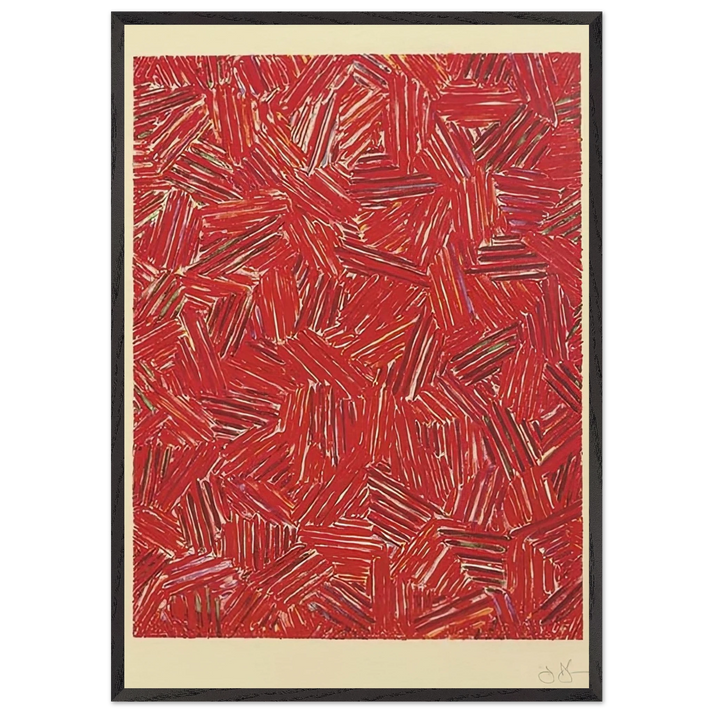
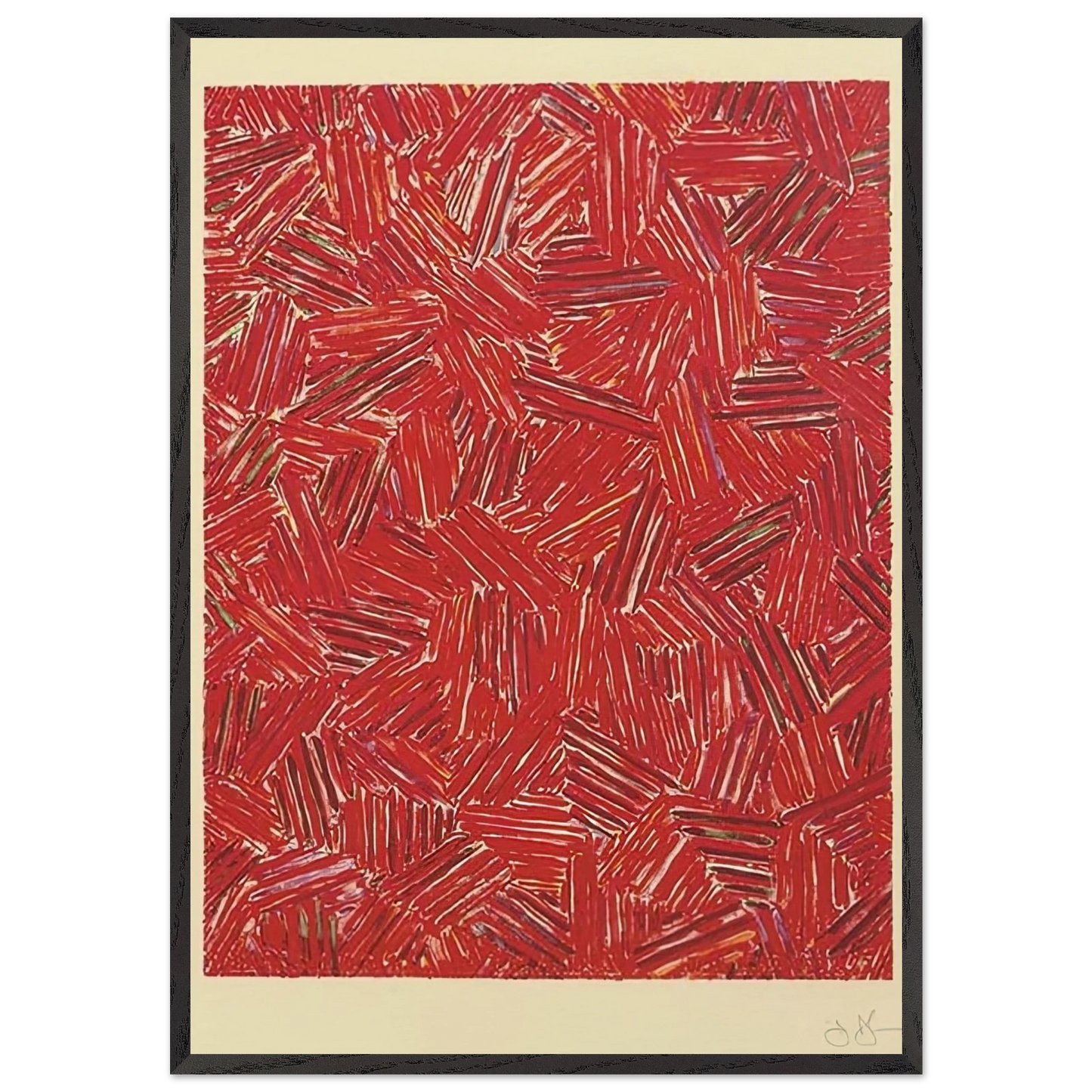
CICADA ULAE 219 - Jasper Johns 70x100 cm / 28x40 inches Framed Art Print – Black Wooden Frame
CICADA ULAE 219 - Jasper Johns 70x100 cm / 28x40 inches Framed Art Print – Black Wooden Frame
Couldn't load pickup availability
Cicada (ULAE 219) by Jasper Johns: A Masterwork of Neo-Dada Complexity
Experience the rhythmic precision of Jasper Johns’ Cicada (ULAE 219), a definitive example of the artist’s mastery over the crosshatch motif. Originally published by Universal Limited Art Editions (ULAE), this piece represents a pivotal moment in American art history, where Johns transitioned from representational icons to dense, abstract patterns that challenge human perception. This 70x100 cm museum-quality reproduction captures the vibrating energy and layered depth that made the original 1981 print a cornerstone of contemporary printmaking.
Archival Excellence and Curatorial Precision
At RedKalion, we honor the legacy of Jasper Johns by employing the highest standards of production. This Jasper Johns fine art print is rendered on 250 gsm (110 lb) natural white, archival-grade paper. The matte, uncoated finish ensures a non-reflective surface that emphasizes the intricate linework without the glare of standard commercial prints. This acid-free, FSC-certified paper guarantees that your investment will remain vibrant and free from yellowing for decades to come.
Premium Framing and Sustainable Craftsmanship
Every element of this framed art print is designed for longevity and aesthetic impact. The artwork is housed in a robust 20mm (0.79") wide frame, meticulously crafted from responsibly sourced oak and ash wood. This frame is notably more substantial than standard 14mm gallery frames, providing a bold, architectural presence on your wall. Protecting the delicate surface of the print is a high-grade, shatterproof plexiglass, offering museum-level clarity with the durability required for modern interiors.
The RedKalion Standard
Elevate your space with an archival masterpiece that endures. Your Cicada ULAE 219 arrives fully assembled and ready-to-hang, complete with a professional hanging kit. By choosing RedKalion, you are investing in a sophisticated curation of world-class art, produced with a commitment to environmental responsibility and technical perfection.
Discover Unlimited Art Possibilities
At RedKalion, you can find virtually any artwork from any artist, available in a wide range of sizes to perfectly match your space.
If you didn’t find what you’re looking for, contact us at support@redkalion.com . We will source any artwork and produce it in any size and format you need, including art prints, posters, canvas, framed pieces, framed canvas, and more.
For dedicated art enthusiasts, we also offer handcrafted replicas of any artwork, carefully painted by highly skilled artists using traditional techniques.
For custom requests, contact us at support@redkalion.com .
What are the physical dimensions and framing specifications?
This Jasper Johns print measures 70x100 cm (28x40 inches). It features a 20mm thick black frame made from FSC-certified oak and ash, providing a premium, durable finish.
What type of paper is used for this museum-quality reproduction?
We use 250 gsm (110 lb) archival museum-quality paper. It is a natural white, uncoated matte paper that is acid-free to prevent degradation over time.
Is the artwork protected against damage and fading?
Yes, each print is protected by shatterproof plexiglass and printed on archival paper, ensuring the artwork remains shielded from environmental factors and maintains its color integrity.
Does the framed print arrive ready to hang?
Absolutely. Your order includes a pre-installed hanging kit, allowing you to display your Jasper Johns Cicada print immediately upon arrival without additional hardware.
Is the wood used in the frames ethically sourced?
Yes, all frames at RedKalion are crafted from responsibly sourced, FSC-certified wood, reflecting our commitment to environmental sustainability and high-quality materials.
What is the significance of the title 'Cicada (ULAE 219)'?
The title refers to the rhythmic, overlapping crosshatch pattern mimicking the cicada's life cycle. 'ULAE 219' denotes its specific catalog entry from Universal Limited Art Editions.
Why is Jasper Johns' crosshatching technique important?
Johns used crosshatching to move away from emotional expression toward a 'pure' form of art that focuses on the mechanics of seeing and the repetition of patterns.