

RedKalion
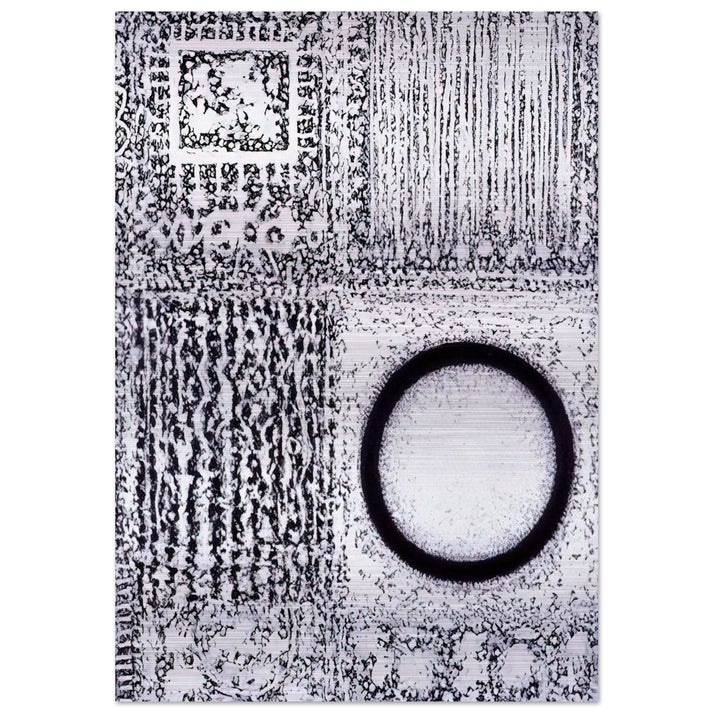
Circle by the Falling Waters - Richard Pousette-Dart Brushed Aluminum Print - 70x100 cm / 28x40 inches | Richard Pousette-Dart Aluminum Print | Richard Pousette-Dart Prints
Circle by the Falling Waters - Richard Pousette-Dart Brushed Aluminum Print - 70x100 cm / 28x40 inches | Richard Pousette-Dart Aluminum Print | Richard Pousette-Dart Prints
Couldn't load pickup availability
A Transcendental Vision: Richard Pousette-Dart’s 'Circle by the Falling Waters'
Experience the cosmic resonance of Richard Pousette-Dart with this museum-quality reproduction of Circle by the Falling Waters. As a founding member of the New York School and one of the original 'Irascibles,' Pousette-Dart pioneered a spiritual, deeply textural approach to Abstract Expressionism. This specific work captures his fascination with universal symbols—the circle representing a point of meditative focus amidst the fluid, rhythmic energy suggested by 'falling waters.'
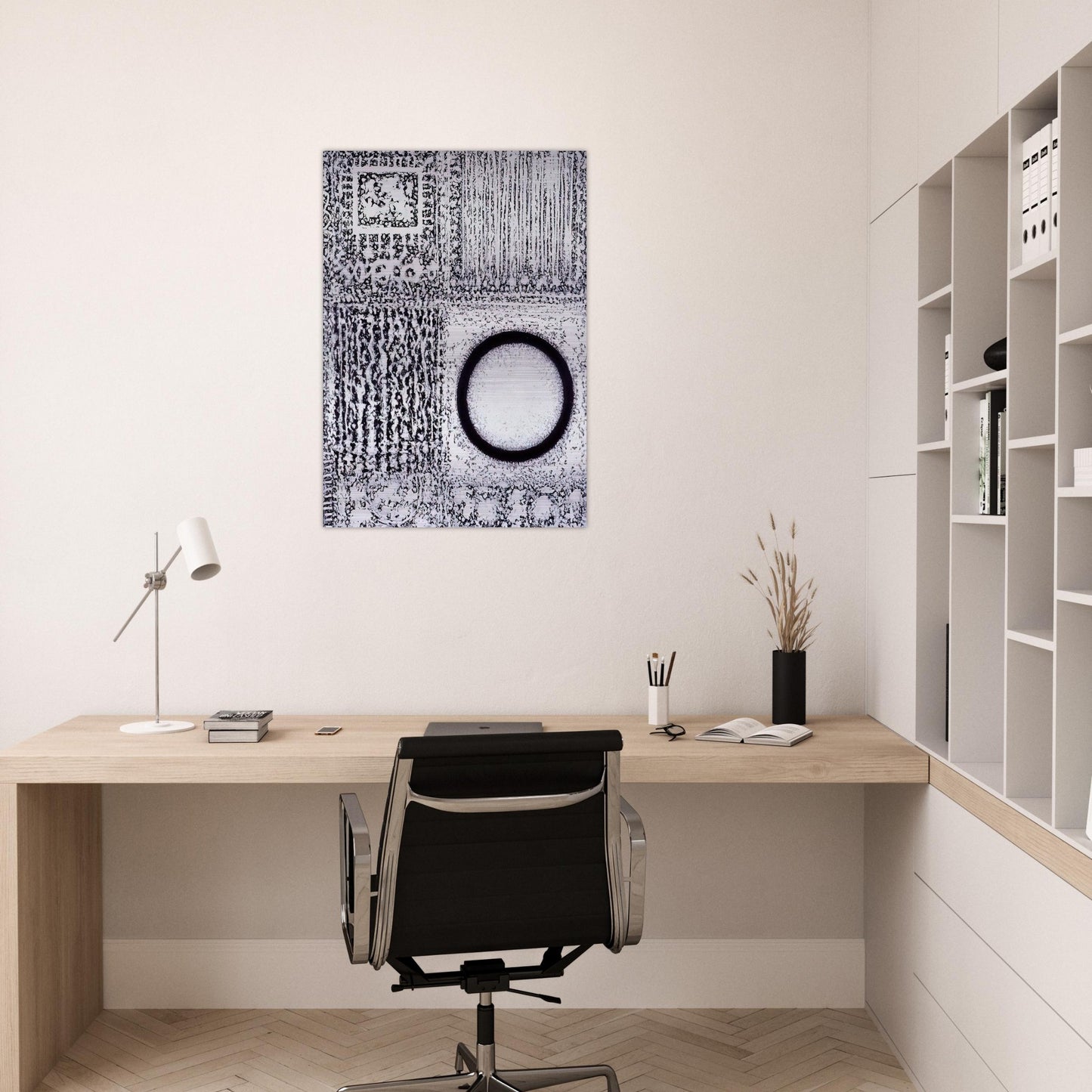
RedKalion elevates this masterpiece through our premium Brushed Aluminum DIBOND® substrate. The 3mm (0.12") rigid base features a sophisticated horizontal grain that interacts dynamically with ambient light. Because the white areas of the artwork are not printed, the natural silver metallic finish shines through, perfectly complementing Pousette-Dart’s signature use of pointillist-like light and layered texture. This interaction creates a fine art print that feels alive, changing its character as you move across the room.
The RedKalion Archival Standard
- Museum-Grade Printing: Direct-to-material printing ensures vivid color saturation and a matte, glare-free finish suitable for any lighting environment.
- Industrial Durability: The 3mm Aluminum Dibond is incredibly rigid, ensuring your investment remains perfectly flat and distortion-free for decades.
- Sophisticated Aesthetic: The brushed silver finish offers a contemporary edge to a classic mid-century abstract composition, making it a centerpiece for modern interiors.
- Ready to Exhibit: Each print includes a professional hanging kit tailored to your fulfillment region, allowing for an effortless, float-like installation.
By choosing this Richard Pousette-Dart aluminum print, you are not merely purchasing a reproduction; you are acquiring a piece of art history curated by RedKalion. This archival masterpiece is designed to endure, offering a timeless fusion of 20th-century spiritual abstraction and 21st-century material innovation.


Discover Unlimited Art Possibilities
At RedKalion, you can find virtually any artwork from any artist, available in a wide range of sizes to perfectly match your space.
If you didn’t find what you’re looking for, contact us at support@redkalion.com . We will source any artwork and produce it in any size and format you need, including art prints, posters, canvas, framed pieces, framed canvas, and more.
For dedicated art enthusiasts, we also offer handcrafted replicas of any artwork, carefully painted by highly skilled artists using traditional techniques.
For custom requests, contact us at support@redkalion.com .
What makes the Richard Pousette-Dart aluminum print a museum-quality reproduction?
RedKalion uses high-resolution direct printing on 3mm Aluminum DIBOND®, preserving the intricate textures of Pousette-Dart's work while ensuring a sophisticated, matte, glare-free finish.
What are the specific dimensions and materials used for this fine art print?
This print measures 70x100 cm (28x40 inches) and is crafted from brushed silver aluminum with a polyethylene core for maximum rigidity and a unique metallic appearance.
How does the brushed aluminum finish enhance 'Circle by the Falling Waters'?
The horizontal grain of the brushed silver finish allows the unprinted white areas to reflect light, mimicking the luminosity and depth found in Pousette-Dart's original canvases.
Is the hanging hardware included with my RedKalion purchase?
Yes, every archival print from RedKalion includes a specialized hanging kit appropriate for the size and weight of the Dibond panel, ensuring a secure and elegant display.
What is the archival life expectancy of this Dibond print?
Constructed with UV-resistant inks and a durable metal substrate, these prints are designed to resist fading and environmental degradation for decades in indoor environments.
What was Richard Pousette-Dart's inspiration for 'Circle by the Falling Waters'?
The work reflects Pousette-Dart’s interest in transcendentalism and the synthesis of nature and geometry, using the circle as a symbol of unity and the infinite.
Why is the circle a recurring theme in Pousette-Dart’s Abstract Expressionism?
For Pousette-Dart, the circle represented the totality of the self and the cosmos, serving as a meditative portal that separates his work from more chaotic forms of abstraction.